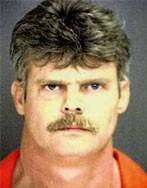





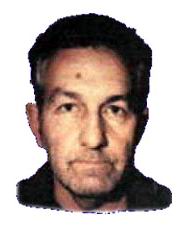
Forensic & Criminological Matrix
| Parameter | Forensic Detail |
|---|---|
| Forensic Heading / Aliases | N/A |
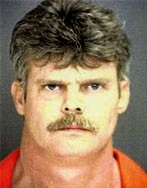
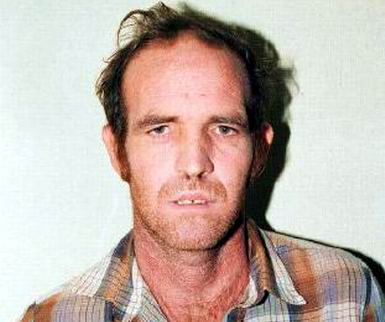
| Legal Identity | Scott Thomas Erskine |
| Confirmed Victims | 3 |
| Attributed / Indicted Victims | 4 |
| Active Timeline | 1989-1993 |
| Jurisdiction / Area of Operations | Florida and California, USA |
| Criminological Classification | Serial Killer |
| Forensic Modus Operandi | Abduction, sexual assault, torture, and homicide |
| Weapon / Mechanism of Death | Strangulation, drowning, and bindings |
| Motive / Behavioral Dynamics | Sadistic sexual predation |
| Judicial Outcome | Death penalty (California) and life imprisonment (Florida) |
1. Background and Profile
Scott Thomas Erskine was a repeat sexual predator whose criminal career spanned several decades and states. From his adolescence, Erskine exhibited violent behavioral patterns, with records indicating sexual assaults before the age of 13. His psychological profile was characterized by a profound lack of empathy and an escalation of violence that began in Florida in the late 1980s and culminated in California in the early 1990s.
2. Criminal Career and Modus Operandi
His documented criminal activity includes the 1989 murder of Renee Baker in Florida, whose body was found at the Wild Life Sanctuary. Erskine abducted her after a mechanical breakdown, sexually assaulting and drowning her. Later, in California, he abducted and murdered two boys, aged 9 and 13, in 1993. Their bodies were found in a makeshift fort near the Otay River, showing signs of torture, bindings, and sexual assault.
3. Investigation and Arrest
The resolution of his crimes was made possible through advancements in DNA analysis. In the case of Renee Baker, a cigarette butt found at the crime scene, analyzed years later, linked Erskine to the murder. In California, DNA evidence obtained after the assault of a survivor allowed investigators to connect Erskine to the murders of the two boys.
4. Legal Proceedings and Outcome
Erskine was arrested in California. In 2003, he was sentenced to death for the murders of the two boys. In 2004, through a plea deal, he was sentenced to life imprisonment in Florida for the murder of Renee Baker, avoiding the death penalty in that state, although he remained on death row in California.
5. Forensic Conclusion
Erskine died on death row at San Quentin State Prison on July 3, 2020, apparently from natural causes related to COVID-19 complications, before his death sentence could be carried out.