


Forensic & Criminological Matrix
| Parameter | Forensic Detail |
|---|---|
| Forensic Heading / Aliases | Svarta Hästen (The Black Horse) |
| Legal Identity | Frans Otto Eriksson |
| Confirmed Victims | 2 |
| Attributed / Indicted Victims | 2 |
| Active Timeline | Early 20th Century |
| Jurisdiction / Area of Operations | Leksand, Sweden |
| Criminological Classification | Profit-driven murderer / Conspirator |
| Forensic Modus Operandi | Poisoning |
| Weapon / Mechanism of Death | Poison |
| Motive / Behavioral Dynamics | Financial greed |
| Judicial Outcome | Life imprisonment (served 21 years) |
1. Background and Profile
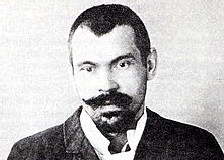
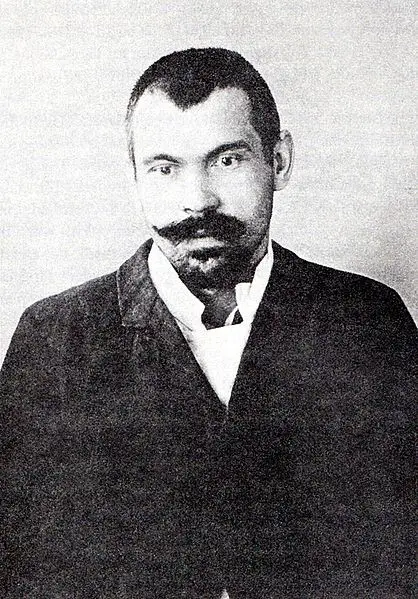
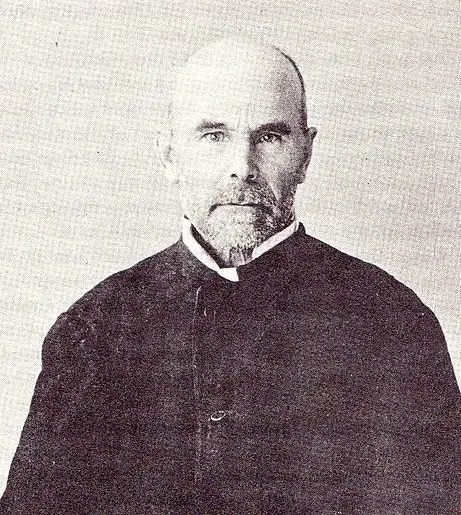
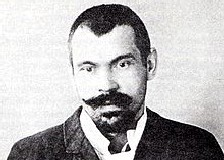
Frans Otto Eriksson (1876–1953) was a Swedish baker whose life took a dark turn into criminal activity. While initially working in bakeries, his criminal record began with petty theft and property crimes. His psychological profile suggests a propensity for manipulation and a lack of moral scruples, which allowed him to integrate into local criminal networks.
2. Crime Spree
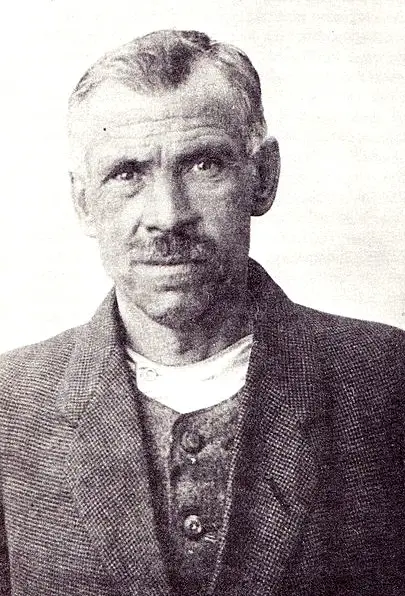
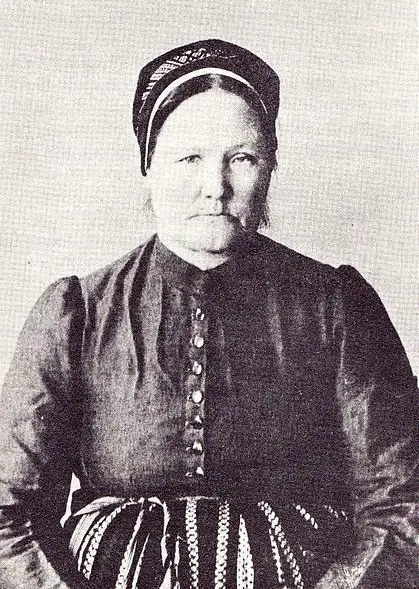
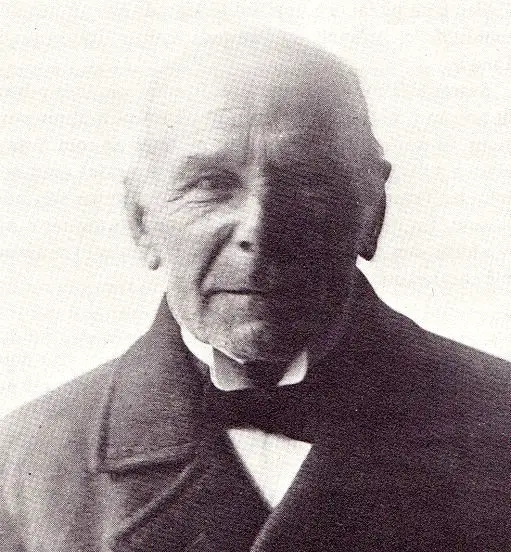
The primary crime for which Eriksson is remembered occurred in the Leksand region. Together with several accomplices, Eriksson conspired to murder an elderly couple, Kerstis Karin Olsdotter and Fredrik Alfred Vestlund, with the goal of obtaining a monetary reward. The method used was poisoning, a technique that required planning and access to lethal substances, demonstrating calculated coldness.
3. Investigation and Arrest
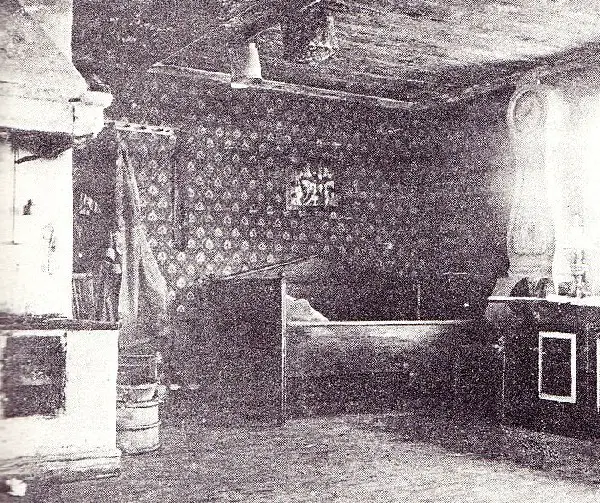
The investigation focused on the rural area of Heden, Leksand, where the Dunder cottage was located. Swedish authorities managed to link Eriksson to the double homicide after a series of interrogations and the collection of circumstantial evidence that placed the suspects at the crime scene at the time of the victims' deaths.
4. Legal Proceedings and Outcome
Following his arrest, Eriksson was subjected to a rigorous judicial process. Despite the severity of the acts, the Swedish judicial system of the time avoided the application of the death penalty. He was sentenced to life imprisonment, serving a total of 21 years in prison before being released.
5. Psychiatric Assessment and Conclusion
Eriksson died in 1953. His case remains an example of early 20th-century Swedish rural criminality, where economic precariousness and unbridled ambition converged in acts of extreme violence against the most vulnerable members of society.