



Forensic & Criminological Matrix
| Parameter | Forensic Detail |
|---|---|
| Forensic Heading / Aliases | None |
| Legal Identity | Frederick Emmett-Dunne |
| Confirmed Victims | 1 |
| Attributed / Indicted Victims | 1 |
| Active Timeline | 1953 |
| Jurisdiction / Area of Operations | Duisburg, Germany |
| Criminological Classification | Passionate Homicide / Stager |
| Forensic Modus Operandi | Blunt force trauma to the throat and staged suicide |
| Weapon / Mechanism of Death | Physical force (blow) and post-mortem hanging |
| Motive / Behavioral Dynamics | Passion / Extramarital affair |
| Judicial Outcome | Life imprisonment (commuted from death sentence) |
1. Background and Profile
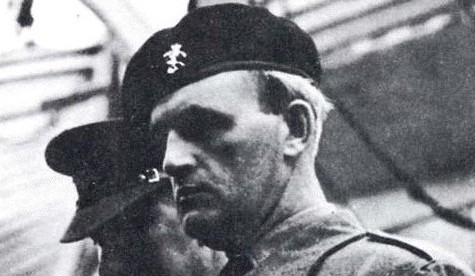
Frederick Emmett-Dunne was a Sergeant in the Royal Electrical and Mechanical Engineers (REME) of the British Army, stationed at the Glamorgan Barracks in Duisburg, Germany. A veteran of the Irish Guards, Merchant Marine, and Royal Marines, he was involved in an illicit affair with Mia Watters, the wife of his colleague, Sergeant Reginald Watters.
2. Criminal Career and Modus Operandi
On November 30, 1953, Emmett-Dunne killed Sergeant Reginald Watters with a severe blow to the throat. To conceal the homicide, he moved the body to barrack block number 4 and, with the help of his half-brother, staged the scene to resemble a suicide by hanging, including an overturned bucket to suggest the victim had jumped. An initial, flawed medical examination by a British military doctor confirmed the suicide theory.
3. Investigation and Arrest
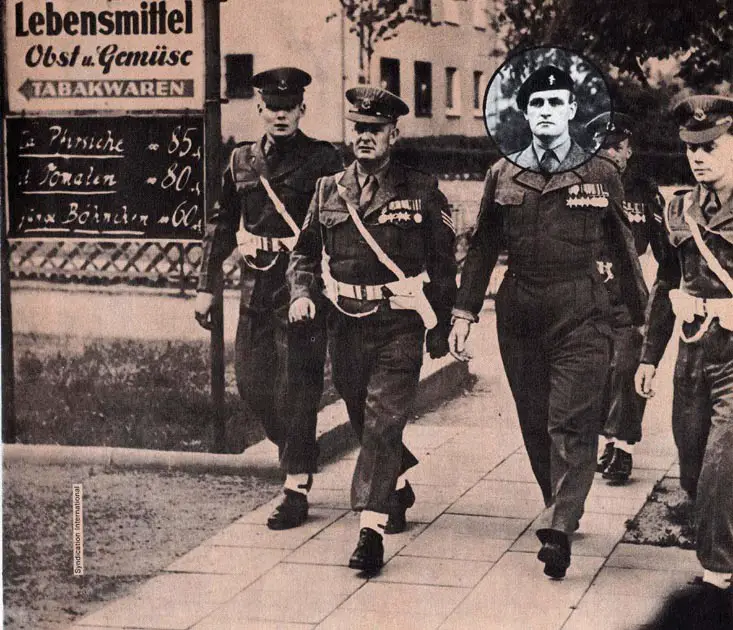
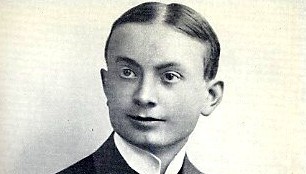
The case was reopened in 1954 after Emmett-Dunne returned to England and married the victim's widow, Mia. This suspicious marriage caught the attention of Frank Walters, a former Royal Military Police SIB officer who had worked on the original case. His persistence led to the exhumation of Watters' body and a professional forensic examination that confirmed murder. Emmett-Dunne was arrested in March 1955.
4. Legal Proceedings and Outcome
A British Army Court Martial was convened in Düsseldorf in June 1955. Emmett-Dunne was found guilty and sentenced to death by hanging. However, due to a 1952 convention between the German and British governments prohibiting the death penalty on German soil by occupation forces, the sentence was commuted to life imprisonment.
5. Forensic Conclusion
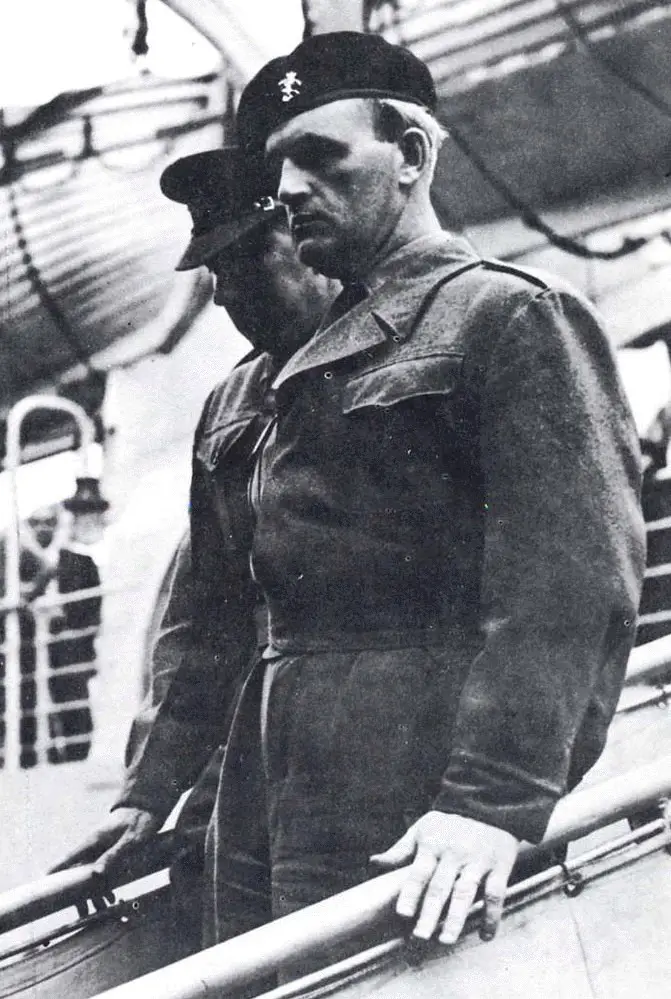
Stripped of his rank and medals, Emmett-Dunne was transported to Norwich Jail in England. He served ten years and was released in 1965, after which he vanished from historical records.