



Forensic & Criminological Matrix
| Parameter | Forensic Detail |
|---|---|
| Forensic Heading / Aliases | None |
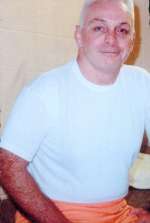
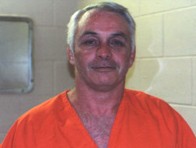
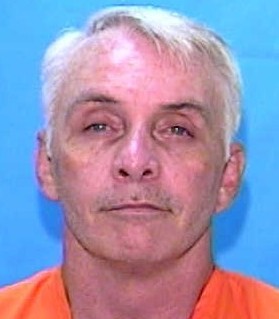
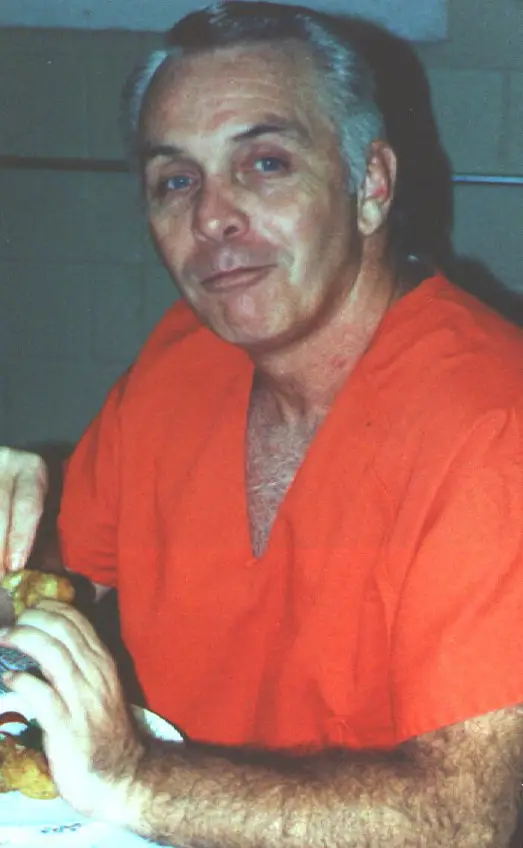
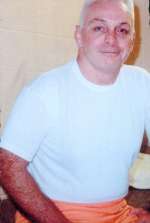
| Legal Identity | William Duane Elledge |
| Confirmed Victims | 3 |
| Attributed / Indicted Victims | 3 |
| Active Timeline | August 1974 |
| Jurisdiction / Area of Operations | Hollywood and Jacksonville Beach, Florida |
| Criminological Classification | Spree Killer |
| Forensic Modus Operandi | Rape, strangulation, and firearm execution |
| Weapon / Mechanism of Death | Manual strangulation, Colt .38 special |
| Motive / Behavioral Dynamics | Psychopathy, substance abuse, childhood trauma |
| Judicial Outcome | Sentenced to death multiple times; died of natural causes in prison |
1. Background and Profile
Born in Wichita, Kansas, in 1950, William Duane Elledge endured a childhood defined by severe physical and sexual abuse in Southern California. His upbringing was characterized by parental alcoholism and violence. By age 14, he was a habitual drug user and had already begun a cycle of criminal behavior that would persist throughout his life, leading to multiple juvenile detentions and an unstable adulthood as a drifter.
2. Criminal Career and Modus Operandi
In August 1974, Elledge committed three murders within 36 hours. He raped and strangled Margaret Anne Strack in Hollywood, shot janitor Edward Lawrence Gaffney during a robbery, and later killed Paul Nelson in Jacksonville Beach during a motel robbery. His MO involved extreme violence, often escalating from robbery to sexual assault and homicide.
3. Investigation and Arrest
Elledge was apprehended at a bus station in Jacksonville shortly after his final murder. He provided a full confession to investigators, which was later used in his multiple trials. His cooperation with police was noted as a significant factor in the initial stages of the legal proceedings.
4. Legal Proceedings and Outcome
Elledge's legal saga was one of the longest in Florida's history. He was sentenced to death four times, but each sentence was overturned due to procedural errors and prosecutorial misconduct. He became a focal point for critics of the death penalty, arguing that the prolonged wait on death row constituted cruel and unusual punishment. He died of natural causes in 2008 while incarcerated at the Union Correctional Institution.