



Forensic & Criminological Matrix
| Parameter | Forensic Detail |
|---|---|
| Forensic Heading / Aliases | Kelly Ellard (K.M.E.) |
| Legal Identity | Kelly Marie Ellard |
| Confirmed Victims | Reena Virk (1) |
| Active Timeline | November 14, 1997 |
| Jurisdiction / Area of Operations | Saanich / Victoria, British Columbia, Canada |
| Criminological Classification | Juvenile homicide / Group-instigated instrumental and reactive violence |
| Forensic Modus Operandi | Initial multi-perpetrator swarming and physical assault followed by severe localized beating, forced submersion, and drowning |
| Weapon / Mechanism of Death | Physical force, blunt force cranial trauma, and asphyxiia by drowning |
| Motive / Behavioral Dynamics | Adolescent peer retaliation, street-gang subculture emulation, social rejection, and aggressive desinhibition |
| Judicial Outcome | Convicted of second-degree murder; sentenced to life imprisonment with a seven-year parole ineligibility period (ultimately upheld by the Supreme Court of Canada in 2009) |
1. Background and Psychopathy
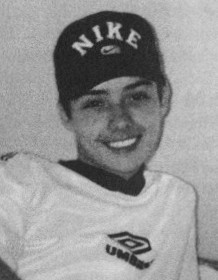
Kelly Marie Ellard was born on August 9, 1982, in Canada. Throughout her early adolescence, she became immersed in urban youth subcultures heavily influenced by Los Angeles street gang aesthetics and delinquent peer dynamics. Her developmental background was characterized by academic disruption, substance abuse, and a predisposition toward physical intimidation and aggressive acting-out within marginal environments and foster settings on Vancouver Island, British Columbia.
2. Crime Spree
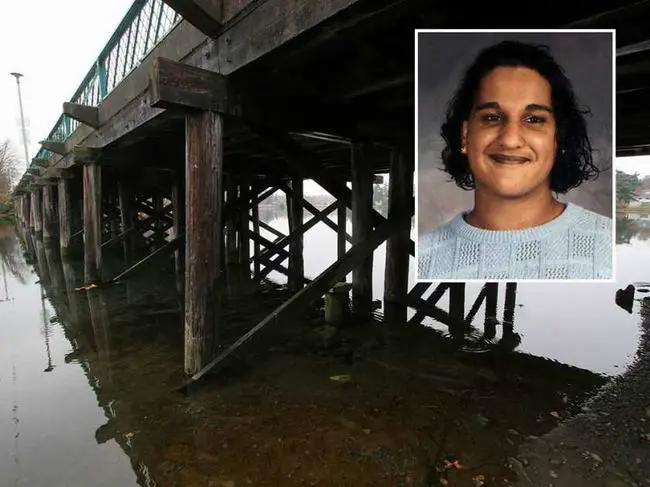
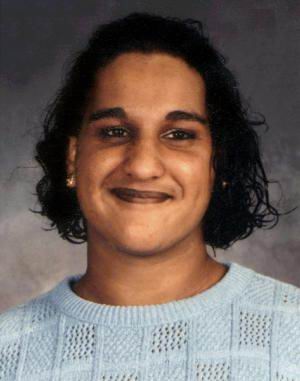
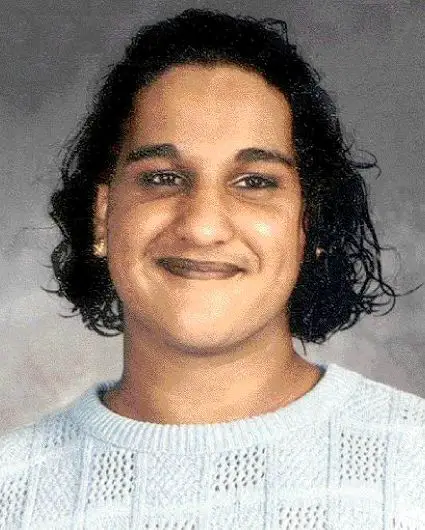
On the evening of November 14, 1997, 14-year-old Reena Virk—who sought acceptance among local peer groups—was lured to an assembly near the Craigflower Bridge in Saanich. Initially, Virk was swarmed and viciously beaten by a cohort of female teenagers later designated as the "Shoreline Six," who punched her, burned her forehead with cigarettes, and attempted to ignite her hair. Although the initial melee subsided, Kelly Ellard and Warren Glowatski pursued Virk as she attempted to walk away. The pair dragged her to a secluded area across the bridge, removed her jacket and shoes, and subjected her to a secondary, lethal assault. According to subsequent forensic evaluations and co-defendant testimonies, Ellard smashed Virk's head against a tree and held her underwater until she drowned.
3. Crime Spree and Police Investigation
Rumors regarding the fatal attack circulated rapidly among students at Shoreline Secondary School; however, pervasive fear and an unwritten code of silence prevented immediate notification of law enforcement. Eight days later, on November 22, 1997, police utilizing an aerial helicopter located Virk's partially clothed body washed ashore at the Gorge Inlet. An autopsy confirmed that while drowning was the direct mechanism of death, the sustained cranial injuries were severe enough to have been independently fatal. Subsequent inquiries enabled investigators to identify and apprehend both the participants of the initial assault and the primary murderers within days of the discovery.
4. Arrest and Judicial Proceedings
Kelly Ellard's legal journey evolved into one of the most complex and protracted litigations in Canadian judicial history, marked by multiple trials and appellate reviews. Initially convicted of second-degree murder in March 2000, that conviction was overturned in 2003, ordering a new trial which subsequently resulted in a hung jury mistrial in 2004. In a third trial conducted in April 2005, Ellard was once again convicted of second-degree murder and received an automatic life sentence with no parole eligibility for seven years, owing to her juvenile status (15 years old) at the time of the offense. Following extensive appeals, the Supreme Court of Canada ruled in an 8-1 decision in June 2009 that her third trial had been legally sound, thus cementing her conviction and sentence.
5. Psychiatric Evaluation and Aftermath
Psychiatric and criminological assessments performed during the judicial proceedings highlighted traits of sociopathy, profound deficits in accountability, and severe reactive aggression in response to minor interpersonal slights. While co-defendant Warren Glowatski demonstrated genuine remorse, engaged in restorative justice circles with the Virk family, and ultimately secured full parole, Kelly Ellard maintained an adversarial stance toward correctional authorities and accountability for years. The case remains a landmark legal precedent in Canada regarding juvenile violence and the socio-legal panic surrounding violent female youth delinquency.