

Forensic Case Matrix
| Parameter | Forensic Detail |
|---|---|
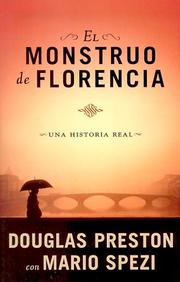
| Investigative Designation | The Monster of Florence (Il Mostro di Firenze) |
| Legal Perpetrator | Unresolved identity (partially attributed in court to Pietro Pacciani and accomplices) |
| Media / Popular Alias | The Tuscan Lovers' Lane Killer / The Monster |
| Locations of Crimes | Rural countryside of the Florence province, Tuscany (Signa, Borgo San Lorenzo, Scandicci, Calenzano, Baccaiano, Giogoli, Vicchio, San Casciano) |
| Period of Activity | August 21, 1968 – September 8, 1985 |
| Confirmed Fatal Victims | 16 (8 couples: 8 males and 8 females) |
| Primary Ballistic Weapon | .22 Long Rifle Beretta semiautomatic pistol |
| Ammunition Forensics | Winchester cartridges stamped with an embossed "H" on the cartridge case head |
| Secondary Bladed Weapon | Straight-edged knife / surgical excising instrument |
| Procedural Case Status | Unresolved (cold case); conflicting convictions, acquittals, and appellate reversals |
| Investigating Agencies | Florence Public Prosecutor's Office and the specialized Squadra Anti-Mostro (SAM) |
Ballistic Chronology and Operational Signatures (1968 – 1985)
Il Mostro di Firenze remains Italy's most famous, intricate, and heavily litigated serial murder mystery. Over a seventeen-year span, sixteen young individuals were slain in parked vehicles or tents across secluded Tuscan hillsides:
- Signa (August 21, 1968): Antonio Lo Bianco and Barbara Locci shot inside an Alfa Romeo Giulietta. Locci's six-year-old son, Natalino Mele, was unharmed in the rear seat.
- Borgo San Lorenzo (September 14, 1974): Pasquale Gentilcore (19) and Stefania Pettini (18) ambushed in a Fiat 127. The female victim suffered 96 stab wounds.
- Scandicci (June 6, 1981): Giovanni Foggi (30) and Carmela Di Nuccio (21) killed. For the first time, the killer performed a post-mortem pubic excision on the female corpse.
- Calenzano (October 22, 1981): Stefano Baldi (26) and Susanna Cambi (24) ambushed; identical gynecological excision conducted.
- Baccaiano di Montespertoli (June 19, 1982): Paolo Mainardi (22) and Antonella Migliorini (20) shot while attempting to reverse their car.
- Giogoli (September 9, 1983): German tourists Horst Wilhelm Meyer and Uwe Jens Rüsch shot dead in their camper van, likely mistaken for a heterosexual couple.
- Vicchio (July 29, 1984): Claudio Stefanacci (21) and Pia Rontini (18) murdered. The killer performed pubic excision and amputated the victim's left breast.
- Scopeti, San Casciano in Val di Pesa (September 8, 1985): French tourists Jean-Michel Kraveichvili (25) and Nadine Mauriot (36) murdered in their tent; post-mortem sexual mutilation repeated. Days later, investigating magistrate Silvia Della Monica received an envelope containing a severed fragment of Mauriot's breast and a taunting message.
Major Investigative Hypotheses and the "Compagni di Merende"
Italian law enforcement pursued three distinct analytical frameworks:
- The Sardinian Lead (Pista Sarda): Focused on the Mele family circle in Signa and the origin of the .22 Beretta pistol linked to the 1968 double homicide.
- The Pietro Pacciani Prosecution: In the late 1980s, detectives targeted local farmhand Pietro Pacciani, who had a 1951 manslaughter conviction and history of domestic sexual violence. Pacciani was convicted in 1994, acquitted on appeal in 1996, and died in 1998 while awaiting retrial.
- The Snack Companions (Compagni di Merende): Prosecutors alleged that Pacciani's drinking associates, Mario Vanni and Giancarlo Lotti, acted as co-perpetrators. Vanni and Lotti received convictions for several later murders based primarily on Lotti's disputed confessions.
- The Occult Sect Hypothesis: Parallel probes postulated that excised body parts were sold to elite esoteric circles for occult rituals; no criminal indictments against third-party masterminds were ever sustained.
To date, the Beretta firearm has never been recovered, and the singular definitive authorship of the sixteen homicides remains legally unresolved.