

Forensic & Criminological Matrix
| Parameter | Forensic Detail |
|---|---|
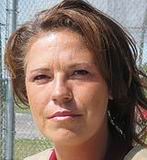
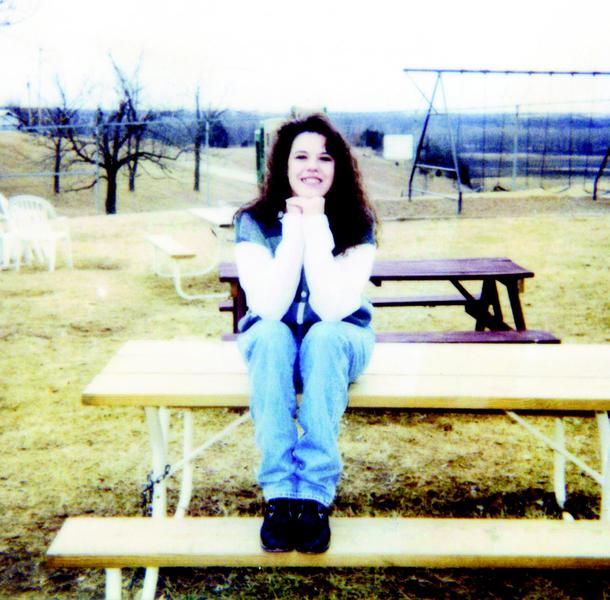
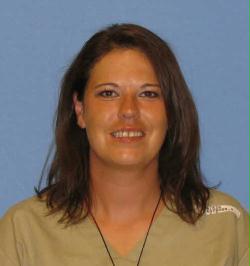
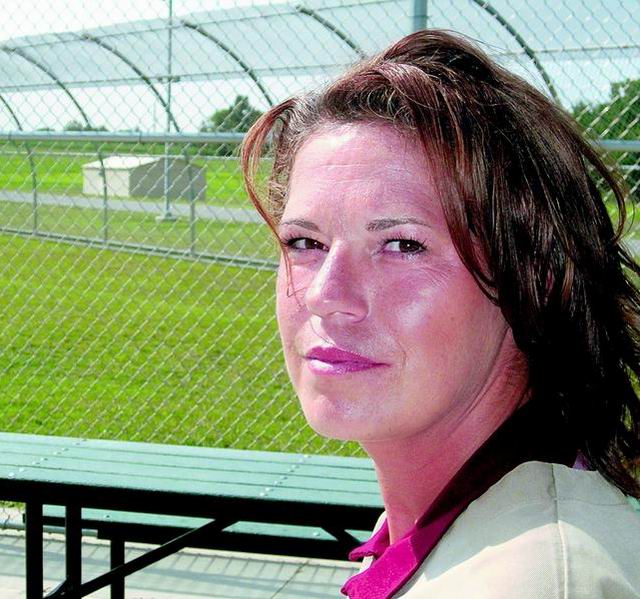
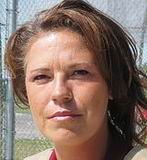
| Forensic Heading / Aliases | Sheena Eastburn |
| Legal Identity | Sheena Renea Eastburn |
| Confirmed Victims | Tim Eastburn (22, ex-husband) |
| Active Timeline | November 19, 1992 |
| Jurisdiction / Area of Operations | Rocky Comfort, McDonald County, Missouri, USA |
| Criminological Classification | Contract homicide / Juvenile criminal conspiracy |
| Forensic Modus Operandi | Planning a home invasion robbery with armed accomplices motivated by jealousy and domestic conflict, resulting in the execution of the victim via gunshot through a window |
| Weapon / Mechanism of Death | Firearms (rifles/handguns operated by accomplices) |
| Motive / Behavioral Dynamics | Passion crime, jealousy, economic and control dispute with ex-husband |
| Judicial Outcome | Convicted in 1995 of first-degree murder and sentenced to life imprisonment without the possibility of parole |
1. Background and Psychopathy
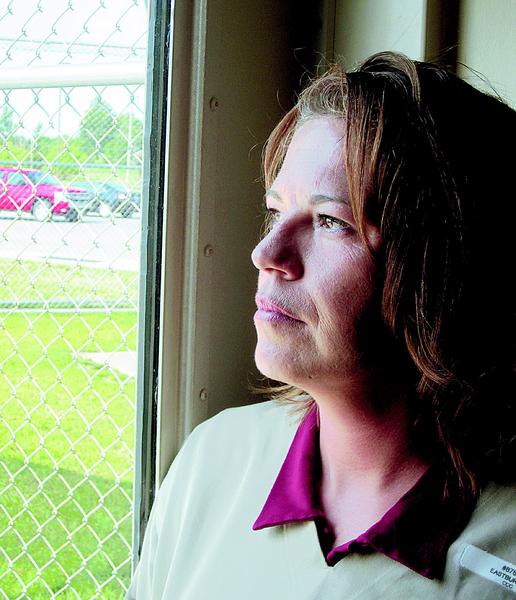
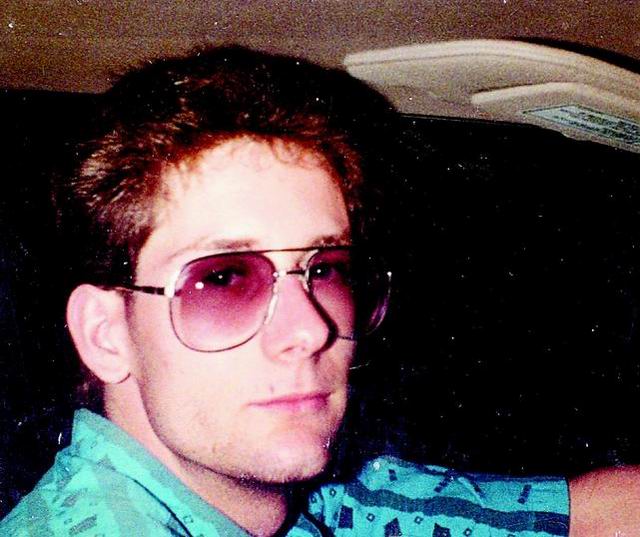
Sheena Renea Eastburn was born on September 30, 1975. Her early life was defined by accelerated maturity and turbulent interpersonal dynamics in rural southwest Missouri. At just 15 years of age, she married 22-year-old Tim Eastburn, divorcing a year later at 16. Despite the formal dissolution of the marriage, the two maintained an intermittent romantic and sexual relationship, even after Sheena initiated a new relationship with Terry Banks and associated with Matt Myers. Her initial criminological profile reflected that of an adolescent embedded in dysfunctional relational patterns, lacking effective adult supervision and susceptible to criminal influences within her peer group.
2. Crime Spree
On November 19, 1992, intersecting domestic tensions culminated in a lethal criminal plot. According to forensic investigations and court testimonies, Sheena conspired with Terry Banks (19) and Matt Myers (18) to target Tim Eastburn's residence near Rocky Comfort, Missouri, under the guise of robbing him of cash and drugs. Sheena's role was allegedly to facilitate access or lure the victim out of the house. However, as the accomplices waited outside, jealousy and volatility intervened. Tim Eastburn was fatally shot through his home window by Banks and Myers. Ballistic evidence confirmed that either of the shots fired by the two co-conspirators would have been independently lethal.
3. Investigation and Forensic Hunt
The investigation was spearheaded by retired Missouri State Highway Patrol homicide investigator Miles Parks, who documented the crime scene deep within the wooded hills of McDonald County. Law enforcement acted swiftly, arresting the three teenage suspects within three days of the homicide based on crucial investigative leads. Police interviews exposed conflicting accounts: while Banks and Myers maintained that Sheena was the intellectual author who orchestrated the plot, Sheena contended that she only agreed to participate in a minor burglary and that the murder was an unforeseen escalation.
4. Arrest and Judicial Proceedings
Sheena Eastburn was arrested at the age of 17 and tried as an adult due to the severity of the charges. During her 1995 trial, her defense sought a conviction on lesser second-degree murder charges, but the jury found her guilty of first-degree murder. Under Missouri's rigid statutory framework at the time, since prosecutors did not seek the death penalty, life without parole was the sole mandatory sentence. Decades later, her case gained prominence amid landmark U.S. Supreme Court rulings declaring mandatory life-without-parole sentences for juveniles unconstitutional, though subsequent appeals through the Missouri Supreme Court were rejected on procedural grounds.
5. Psychiatric Assessment and Aftermath
From a criminological standpoint, Sheena Eastburn's case highlights the complexities of juvenile culpability and mandatory sentencing mandates within the U.S. penal system. Over more than two decades of incarceration at the Missouri Correctional Center in Chillicothe, Eastburn has maintained a clean disciplinary record and expressed remorse for the tragic loss of her ex-husband's life, while maintaining her stance that she never intended nor planned a murder. Although defense counsel, led by attorney Kent Gipson, has continuously sought legal avenues for resentencing in light of evolving constitutional standards, the judiciary has upheld the original sentence, solidifying her status as serving life without parole.