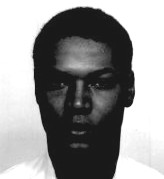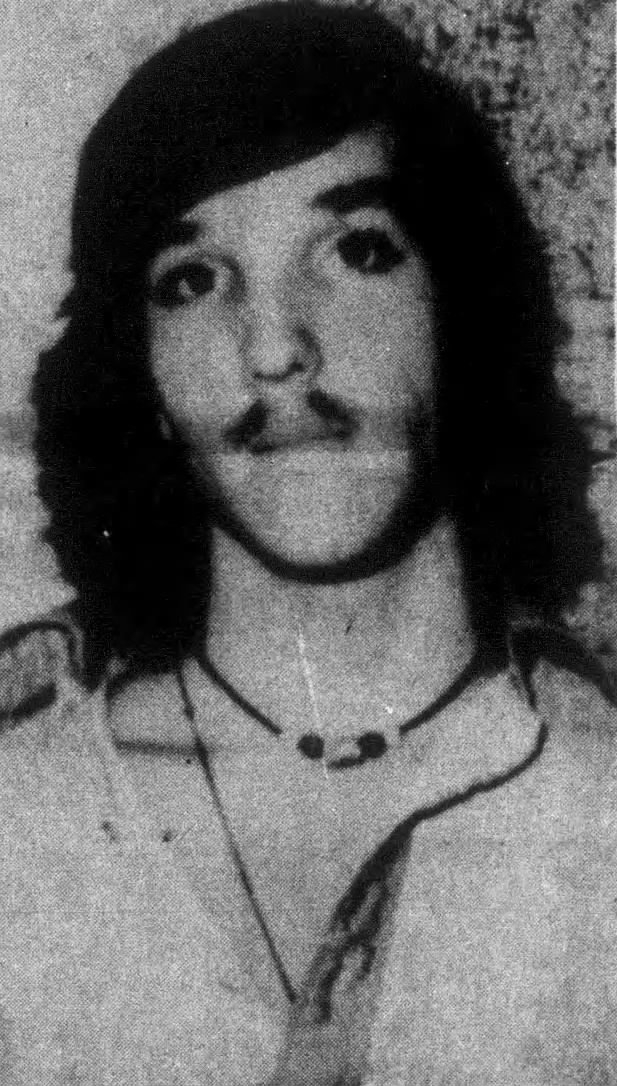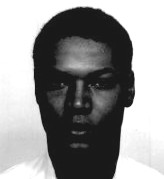
Forensic & Criminological Matrix
| Parameter | Forensic Detail |
|---|---|
| Forensic Heading / Aliases | Tee |
| Legal Identity | Harvey Earvin |
| Confirmed Victims | 1 |
| Attributed / Indicted Victims | 1 |
| Active Timeline | 1976 |
| Jurisdiction / Area of Operations | Texas, United States |
| Criminological Classification | Robbery-Homicide |
| Forensic Modus Operandi | Armed robbery with shotgun execution |
| Weapon / Mechanism of Death | Shotgun |
| Motive / Behavioral Dynamics | Financial gain / Criminal intent |
| Judicial Outcome | Death sentence (appeals exhausted) |
1. Background and Profile
Born in 1958, Harvey Earvin had no significant prior criminal record before the events of 1976. This lack of criminal history was a central point of his defense strategy during the sentencing phase, where his legal team attempted to argue for a life sentence rather than capital punishment.
2. Crime Spree
On December 7, 1976, Earvin and two accomplices executed a planned robbery targeting Ertis Brock. Earvin confessed that the robbery had been planned for at least two days. He arrived at the scene armed and disguised. During the encounter, he fired a single shotgun blast into the victim's chest, resulting in death.
3. Investigation and Arrest
Ertis Brock's body was discovered on the evening of December 7, 1976. Law enforcement identified and arrested Earvin and his two accomplices within days. Earvin provided a written confession detailing his role in the robbery and the shooting.
4. Legal Proceedings and Outcome
Earvin was convicted of capital murder on August 24, 1977, and sentenced to death on August 25, 1977. His conviction was affirmed by the Texas Court of Criminal Appeals in 1979. Subsequent federal habeas corpus petitions, alleging ineffective assistance of counsel, were denied by the U.S. District Court and affirmed by the Fifth Circuit Court of Appeals in 1988.
5. Forensic Conclusion
The courts consistently ruled that Earvin's counsel provided adequate representation and that the evidence of premeditation—specifically the planning of the robbery and the use of a weapon—justified the jury's verdict and the death sentence.