Forensic & Criminological Matrix
| Parameter | Forensic Detail |
|---|---|
| Forensic Heading / Aliases | N/A |
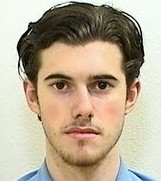
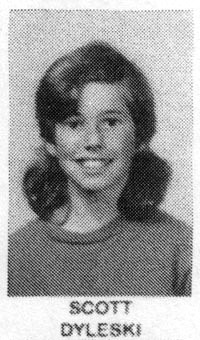
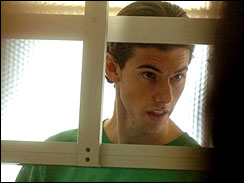
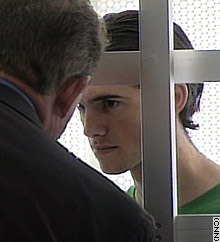
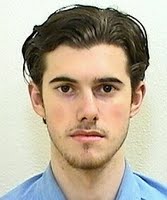
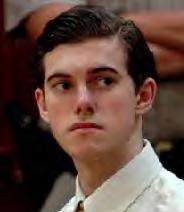
| Legal Identity | Scott Edgar Dyleski |
| Confirmed Victims | 1 |
| Attributed / Indicted Victims | 1 |
| Active Timeline | October 15, 2005 |
| Jurisdiction / Area of Operations | Lafayette, California |
| Criminological Classification | Juvenile murderer |
| Forensic Modus Operandi | Home invasion, blunt force trauma, post-mortem mutilation |
| Weapon / Mechanism of Death | Crown molding, sharp force instrument |
| Motive / Behavioral Dynamics | Financial gain / Identity confusion |
| Judicial Outcome | Life without parole (eligible for parole in 2030) |
1. Background and Profile
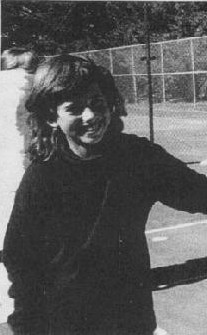
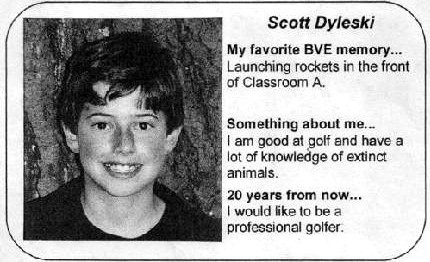
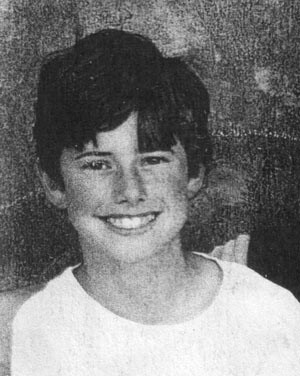
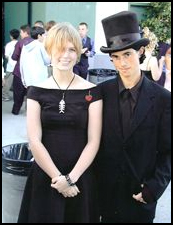
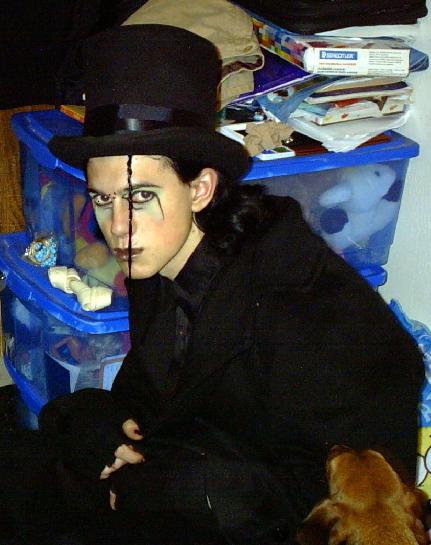
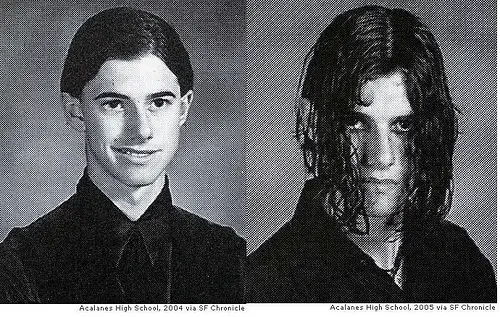
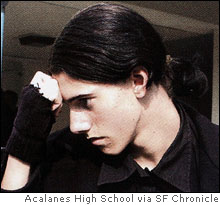
Scott Edgar Dyleski was born in 1988. His upbringing was characterized by significant instability and poverty. Following his parents' separation, he lived in various locations, often lacking basic utilities. His father reported concerns regarding his welfare to Child Protective Services on multiple occasions. Dyleski was known for his interest in gothic subculture and alternative lifestyles.
2. Crime Spree
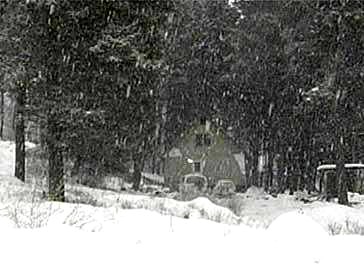
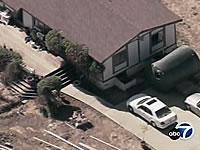
On October 15, 2005, Pamela Vitale was murdered in her Lafayette home. Dyleski, attempting to fund a marijuana-growing operation, targeted the residence. Prosecutors argued he intended to target a different neighbor, Karen Schneider, whose credit card he had previously compromised. Vitale was subjected to a brutal assault involving 26 blows to the head and post-mortem mutilation.
3. Investigation and Arrest
Law enforcement linked Dyleski to the crime through forensic evidence and financial records. The discovery of fraudulent credit card orders billed to the victim's address and physical evidence found in Dyleski's possession, including a glove with DNA, were critical to the prosecution's case.
4. Legal Proceedings and Outcome
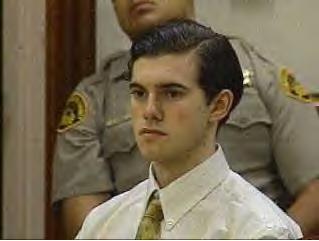
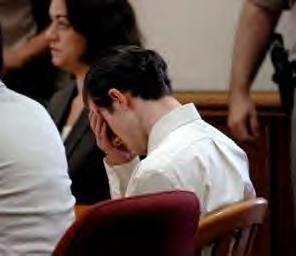
Despite a defense strategy focusing on character witnesses, Dyleski was convicted of first-degree murder and residential burglary. He was sentenced to life without the possibility of parole. Due to subsequent legislative changes in California (Senate Bill 394), his sentence was adjusted, making him eligible for a parole hearing in 2030.