Forensic & Criminological Matrix
| Parameter | Forensic Detail |
|---|---|
| Forensic Heading / Aliases | Iron Mike |
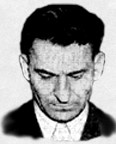
| Legal Identity | Walter Dworecki |
| Confirmed Victims | 1 |
| Attributed / Indicted Victims | 1 |
| Active Timeline | 1930 |
| Jurisdiction / Area of Operations | Camden, New Jersey, USA |
| Criminological Classification | Contract killer / Insurance fraud |
| Forensic Modus Operandi | Hiring third parties for homicide for profit |
| Weapon / Mechanism of Death | Strangulation and blunt force trauma |
| Motive / Behavioral Dynamics | Financial gain (life insurance payout) |
| Judicial Outcome | Conviction for first-degree murder |
1. Background and Profile
Reverend Walter Dworecki, pastor of the First Polish Baptist Church, maintained a public image of religious leadership that stood in stark contrast to his criminal history. Prior to the murder of his daughter, Dworecki had been under investigation by insurance companies for arson-related charges.
2. Crime Spree
The crime centered on his 18-year-old daughter, Wanda Dworecki. The pastor had taken out a life insurance policy on her worth $2,695. The modus operandi involved hiring Peter Schewchuk, a former boarder in the Dworecki home, to carry out the murder. The killing took place near a cemetery in Camden, New Jersey, involving strangulation and beating. The agreed-upon payment for the act was 50 cents.
3. Investigation and Arrest
Police investigation quickly focused on the family circle due to immediate suspicions regarding the father. Dworecki's prior history with insurance companies served as the primary lead that allowed investigators to connect the young woman's death to a financial motive. Peter Schewchuk's confession was the key piece of evidence that dismantled the pastor's alibi.
4. Legal Proceedings and Outcome
Following Schewchuk's confession, both men were arrested. Initially, both pleaded guilty; however, the judge changed their plea to "not guilty." This decision was based on New Jersey law, which prohibited guilty pleas in capital cases, requiring a full trial to ensure due process for crimes punishable by the electric chair.