


Forensic & Criminological Matrix
| Parameter | Forensic Detail |
|---|---|
| Forensic Heading / Aliases | N/A |
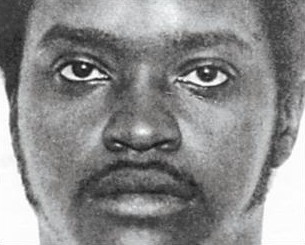
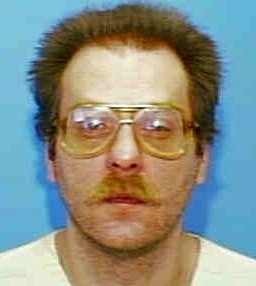
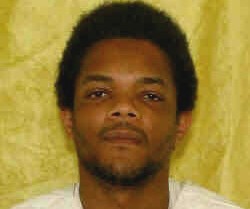
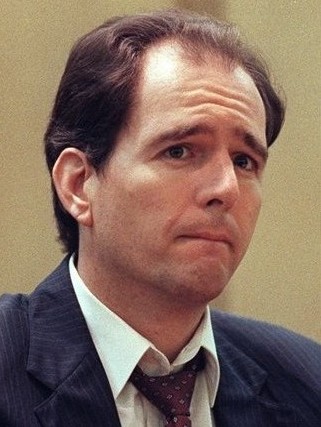
| Legal Identity | John Wayne Duvall |
| Confirmed Victims | 1 |
| Attributed / Indicted Victims | 1 |
| Active Timeline | 1986 |
| Jurisdiction / Area of Operations | Duncan, Stephens County, Oklahoma, USA |
| Criminological Classification | Parricide / Homicide offender |
| Forensic Modus Operandi | Extreme physical violence: multiple stabbing followed by mechanical asphyxiation |
| Weapon / Mechanism of Death | Kitchen knives, meat fork, and pillow |
| Motive / Behavioral Dynamics | Marital conflict, jealousy, and coercive control |
| Judicial Outcome | Death penalty executed |
1. Background and Psychopathy
John Wayne Duvall (born 1951) was an American citizen with a documented history of domestic violence and prior felony convictions for assault with dangerous weapons. In August 1985, Duvall, his common-law wife Karla Duvall, and their son moved into a duplex in Duncan, Oklahoma. The relationship was characterized by chronic marital difficulties, substance abuse, and physical violence. Duvall had prior convictions for assault with a dangerous weapon (1969, 1976, and 1984), including incidents where he threatened to kill Karla and other women.
2. Crime Spree
On September 15, 1986, following a telephone argument regarding the victim's drug use, Duvall went to their home. After waiting for neighbors to leave, he broke in, struck Karla with an ashtray, and dragged her to the kitchen. He stabbed her 25 times using kitchen knives and a meat fork. He then moved her to the shower to wash her off and placed her on the bed. When the victim, still conscious, pleaded for help, Duvall replied, "I think it's too late for that," and suffocated her with a pillow.
3. Police Investigation and Forensic Hunt
The investigation was resolved quickly due to the perpetrator's confession. After the crime, Duvall planned to commit suicide by jumping in front of a train, but eventually surrendered on September 18, 1986, at the Stephens County Courthouse, confessing to Commissioner Alvie Chasteen. Police found the victim's body naked on the bed, corroborating his confession and the forensic evidence found at the scene.
4. Arrest and Judicial Process
Duvall was tried in the District Court of Stephens County (Case No. CRF-86-251). The jury found him guilty of first-degree murder, citing aggravating circumstances including the heinous, atrocious, or cruel nature of the crime and his history of violent felonies. He was sentenced to death. His appeals, including claims of ineffective assistance of counsel and Brady violations, were denied by the Oklahoma Court of Criminal Appeals and federal courts. In December 1998, Duvall filed a 42 U.S.C. § 1983 action against Governor Frank Keating and prison officials, seeking a temporary restraining order to halt his execution based on alleged due process violations in the clemency process. The U.S. Court of Appeals for the Tenth Circuit (162 F.3d 1058) affirmed the district court's denial of his request, ruling that the clemency process had been followed correctly and that the Governor's discretionary power was not subject to the same procedural due process requirements as the trial itself.
5. Psychiatric Evaluation and Final Outcome
While incarcerated, Duvall was reported to be an exemplary prisoner and an active member of a church group. On December 17, 1998, after the Pardon and Parole Board deadlocked on a clemency recommendation, John Wayne Duvall was executed by lethal injection at the Oklahoma State Penitentiary in McAlester at 12:15 a.m. CST. In his final statement, he asked for forgiveness for his sins. His execution was witnessed by the victim's daughter, Teresa Perkins, and other family members, who sought closure after 12 years of legal proceedings.