Forensic & Criminological Matrix
| Parameter | Forensic Detail |
|---|---|
| Forensic Heading / Aliases | null |
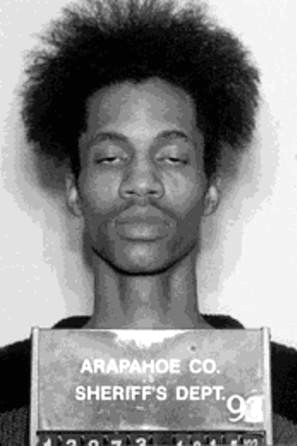
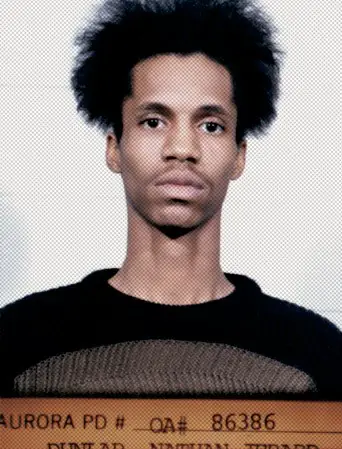
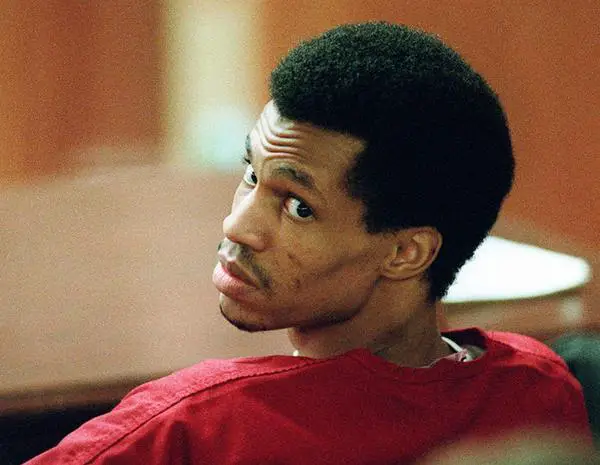
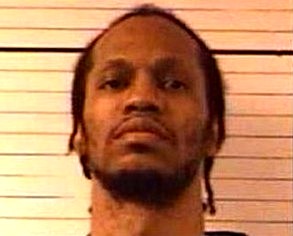
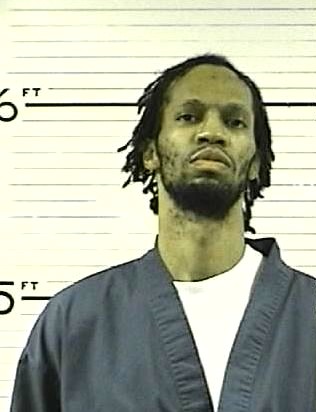
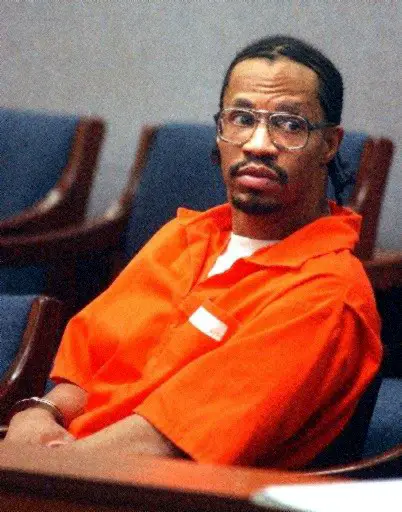
| Legal Identity | Nathan Jerard Dunlap |
| Confirmed Victims | 4 |
| Attributed / Indicted Victims | 4 |
| Active Timeline | December 14, 1993 |
| Jurisdiction / Area of Operations | Aurora, Colorado, USA |
| Criminological Classification | Mass Murderer |
| Forensic Modus Operandi | Workplace mass shooting |
| Weapon / Mechanism of Death | Semi-automatic pistol |
| Motive / Behavioral Dynamics | Revenge for job termination |
| Judicial Outcome | Death sentence (commuted to life imprisonment) |
1. Background and Profile
Nathan Jerard Dunlap was born in 1974. His upbringing was characterized by severe instability and maternal mental health issues. He was later diagnosed with bipolar disorder, a condition that became a central point of contention in his post-conviction appeals.
2. Criminal Career and Modus Operandi
On December 14, 1993, Dunlap entered a Chuck E. Cheese restaurant in Aurora, Colorado, where he had been fired months earlier. He systematically shot four employees: Colleen O'Connor, Sylvia Crowell, Ben Grant, and Marge Kohlberg. A fifth employee, Bobby Stephens, survived by hiding in a freezer.
3. Investigation and Arrest
Law enforcement quickly identified Dunlap as the primary suspect. He was apprehended shortly after the massacre with evidence linking him to the crime scene, including stolen cash and restaurant property.
4. Legal Proceedings and Outcome
Dunlap was convicted and sentenced to death. His legal team later argued that his trial counsel was ineffective for failing to adequately present evidence of his mental illness. The case remains a significant subject in the study of capital punishment in the United States.