Forensic & Criminological Matrix
| Parameter | Forensic Detail |
|---|---|
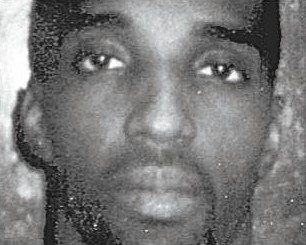
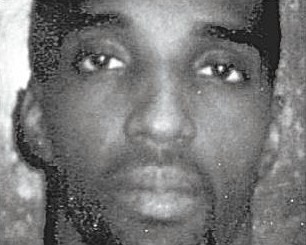
| Forensic Heading / Aliases | Johnile DuBois |
| Legal Identity | Johnile L. DuBois |
| Confirmed Victims | 1 |
| Attributed / Indicted Victims | 1 |
| Active Timeline | 1991 |
| Jurisdiction / Area of Operations | Portsmouth, Virginia, USA |
| Criminological Classification | Robbery-Homicide |
| Forensic Modus Operandi | Armed robbery with firearm usage |
| Weapon / Mechanism of Death | Firearm (chest gunshot wound) |
| Motive / Behavioral Dynamics | Financial gain / Habitual criminal behavior |
| Judicial Outcome | Death penalty (Executed) |
1. Background and Profile
Johnile L. DuBois had a significant criminal record prior to the 1991 homicide, including convictions for grand larceny, assault, and firearm possession. At the time of the offense, he was on parole and engaged in drug trafficking. He was the father of nine children born out of wedlock, none of whom he supported.
2. Criminal Career and Modus Operandi
On November 20, 1991, DuBois and three teenage accomplices robbed the 'In-A-Hurry' store in Portsmouth. DuBois was the only armed participant. The victim, 39-year-old Philip C. Council, who suffered from neurological disabilities, was beaten by the accomplices when he failed to open the register quickly enough. DuBois then shot Council in the chest, killing him, and stole $400.
3. Investigation and Arrest
Law enforcement quickly apprehended DuBois and his accomplices. DuBois pleaded guilty and cooperated with the prosecution, expecting to avoid the death penalty based on an agreement with the Commonwealth's Attorney, Martin Bullock.
4. Legal Proceedings and Outcome
Circuit Judge Johnny E. Morrison rejected the plea agreement, citing DuBois's dangerous lifestyle and history of recidivism. He sentenced DuBois to death. Following the exhaustion of all appeals and a denied clemency petition by Governor Jim Gilmore, DuBois was executed by lethal injection at the Greensville Correctional Center on September 22, 1997.