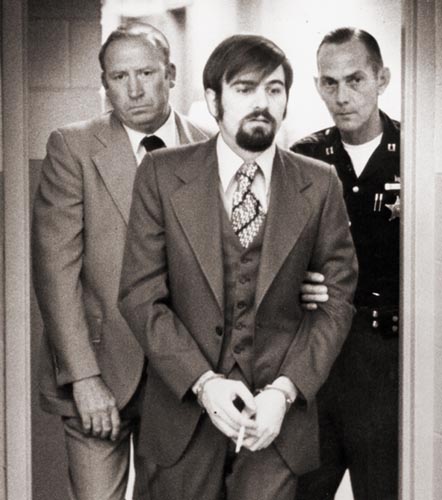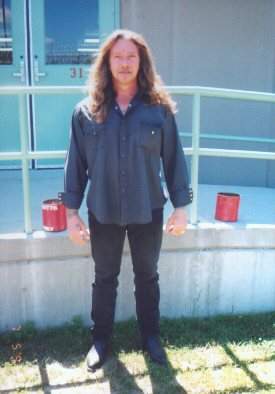
Forensic & Criminological Matrix
| Parameter | Forensic Detail |
|---|---|
| Forensic Heading / Aliases | None |
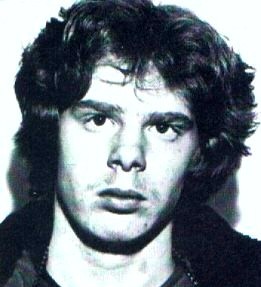
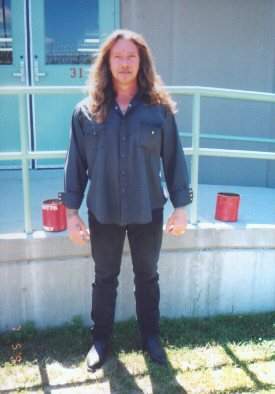
| Legal Identity | Carl H. Drew |
| Confirmed Victims | 1 (Karen Marsden) |
| Attributed / Indicted Victims | 3 (Doreen Levesque, Barbara Raposa, Karen Marsden) |
| Active Timeline | 1979 |
| Jurisdiction / Area of Operations | Fall River, Massachusetts |
| Criminological Classification | Ritualistic Murderer / Pimp |
| Forensic Modus Operandi | Blunt force trauma (rocks), strangulation, ritual mutilation |
| Weapon / Mechanism of Death | Rocks, physical force, knives |
| Motive / Behavioral Dynamics | Prostitution ring control and ritualism |
| Judicial Outcome | Life imprisonment |
1. Background and Profile
Carl H. Drew was a pimp operating in Fall River, Massachusetts. His criminal profile is inextricably linked to a purported satanic cult and a prostitution ring. He was identified by co-defendant Robin Murphy as the mastermind behind the ritualistic killings of three women.
2. Crime Spree
The "Fall River Cult Murders" began in October 1979 with the discovery of Doreen Levesque. Subsequent victims included Barbara Raposa and Karen Marsden. The crimes were characterized by extreme brutality, including skull crushing with rocks and ritualistic decapitation.
3. Investigation and Arrest
Detective Sergeant Paul Carey led the investigation, which involved undercover work at satanic rituals. The prosecution relied heavily on the testimony of Robin Murphy, who claimed Drew ordered the killings as sacrifices to Satan.
4. Legal Proceedings and Outcome
Drew was convicted of the murder of Karen Marsden and sentenced to life in prison. He has spent decades filing appeals, claiming he was framed by Murphy and that the legal system failed to provide a fair trial due to political pressure and witness manipulation.
5. Psychiatric Assessment and Conclusion
Drew remains incarcerated, maintaining his innocence and asserting that Robin Murphy was the true ringleader who manipulated the Bristol County legal system. The case remains a controversial chapter in Massachusetts criminal history.