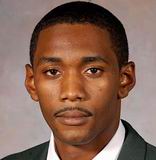
Forensic & Criminological Matrix
| Parameter | Forensic Detail |
|---|---|
| Forensic Heading / Aliases | N/A |
| Legal Identity | Carlton Eric Dotson Jr. |
| Confirmed Victims | 1 |
| Attributed / Indicted Victims | 1 |
| Active Timeline | June 2003 |
| Jurisdiction / Area of Operations | Waco, Texas, USA |
| Criminological Classification | Homicide (Sports environment) |
| Forensic Modus Operandi | Execution by firearm following paranoia |
| Weapon / Mechanism of Death | Pistols and rifle |
| Motive / Behavioral Dynamics | Psychological instability and paranoia |
| Judicial Outcome | 35-year prison sentence |
1. Background and Profile
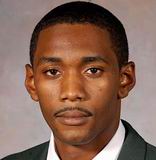
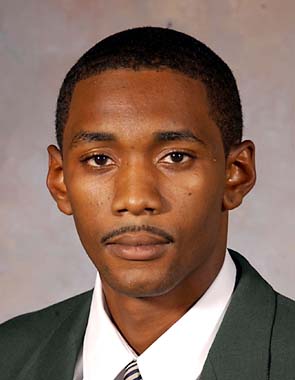
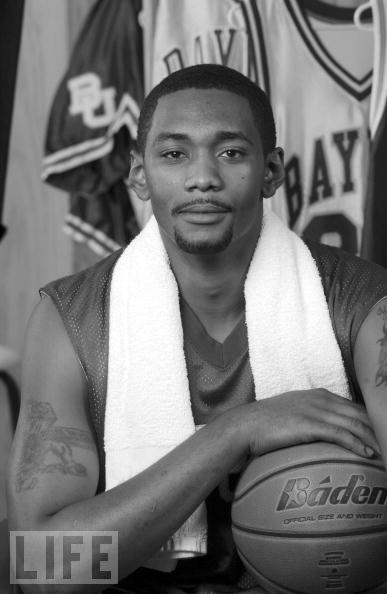
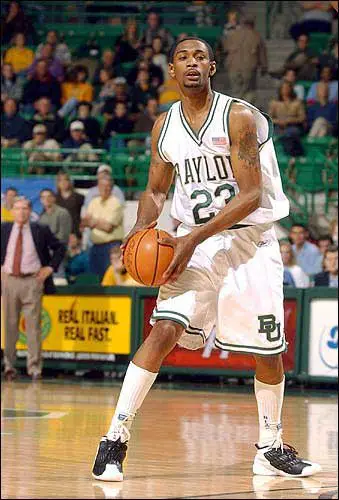
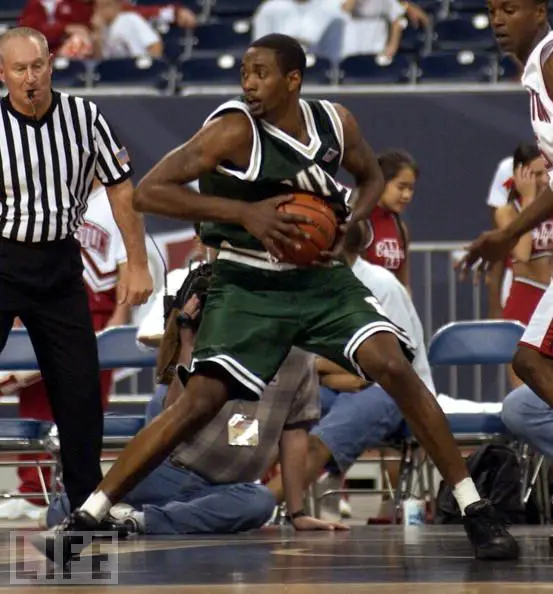
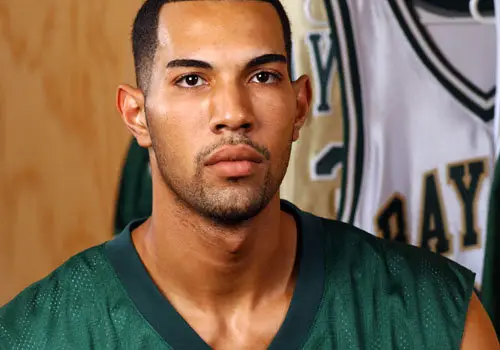
Carlton Eric Dotson Jr. was a college basketball player at Baylor University. His psychological profile, characterized by episodes of psychosis and hallucinations, was exacerbated by the high-pressure environment of collegiate sports. Prior to the incident, Dotson and his teammate Patrick Dennehy exhibited shared paranoia, purchasing firearms for their alleged protection.
2. Criminal Career and Modus Operandi
On June 12, 2003, following a period of firearm training at a farm north of Waco, Dotson shot and killed Patrick Dennehy. The crime was preceded by erratic behavior from both individuals. Dennehy's body was discovered weeks later, on July 25, in a gravel pit in a state of advanced decomposition.
3. Investigation and Arrest
The disappearance was reported by Dennehy's family after days of silence. The investigation focused on a tip from an informant in Delaware, who revealed that Dotson had confessed to the murder to a cousin. The victim's vehicle, a Chevrolet Tahoe, was found in Virginia Beach with the license plates removed.
4. Legal Proceedings and Outcome
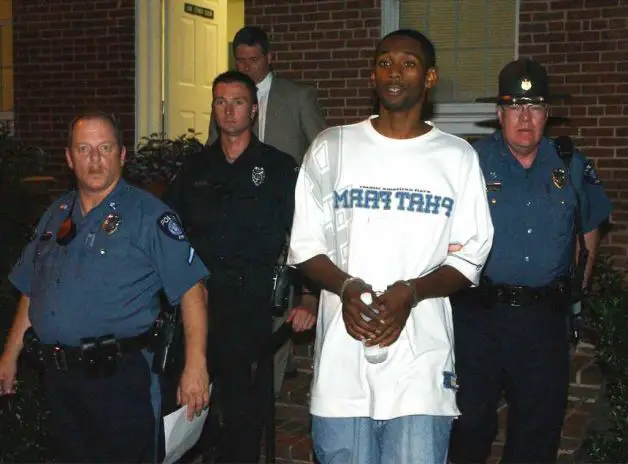
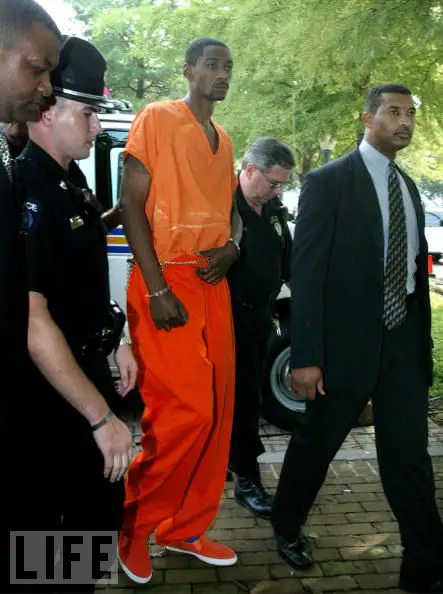
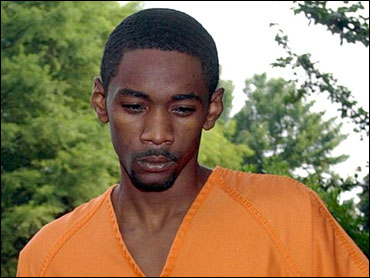
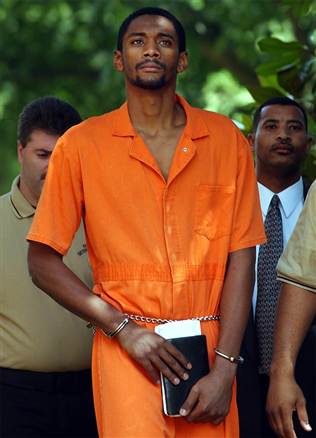
Dotson was arrested on July 21, 2003, in Maryland. After being declared incompetent to stand trial in 2004 due to psychotic symptoms, he was re-evaluated and deemed competent in 2005. He pleaded guilty on June 8, 2005, and was sentenced to 35 years in prison.
5. Psychiatric Evaluation and Conclusion
Psychiatric experts identified hallucinations and psychosis, although some experts questioned the authenticity of his symptoms during the trial. He is currently serving his sentence, having exhausted his appeals after waiving his right to appeal upon his guilty plea.