



Forensic & Criminological Matrix
| Parameter | Forensic Detail |
|---|---|
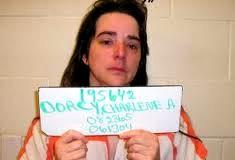
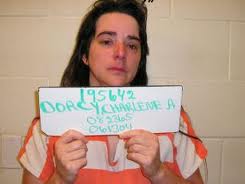
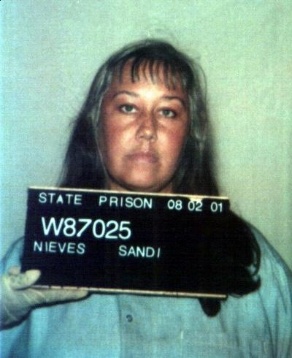
| Forensic Heading / Aliases | Charlene Dorcy |
| Legal Identity | Charlene A. Dorcy |
| Confirmed Victims | 2 (her daughters: Jessica, 4, and Brittney, 2) |
| Active Timeline | June 12, 2004 |
| Jurisdiction / Area of Operations | Skamania County, Washington, United States |
| Criminological Classification | Filicidal offender / Psychotic murderer (paranoid schizophrenia) |
| Forensic Modus Operandi | Transporting the victims to a remote, abandoned rock quarry within the Gifford Pinchot National Forest and executing them with a .22-caliber rifle, followed by a telephonic confession and voluntary surrender to law enforcement. |
| Weapon / Mechanism of Death | Husband's .22-caliber rifle / Multiple gunshot wounds |
| Motive / Behavioral Dynamics | Severe psychotic decompensation resulting from the cessation of antipsychotic medication in favor of herbal remedies; persecutory and grandiose delusional frameworks. |
| Judicial Outcome | Pleaded guilty to two counts of first-degree murder via a plea agreement. Sentenced on May 26, 2005, to 63 years in state prison. |
1. Background and Psychopathy
Born on August 23, 1965, Charlene A. Dorcy possessed a documented medical history of paranoid schizophrenia, a severe psychiatric disorder for which she had previously received consistent pharmacological treatment. Residing in a Vancouver, Washington suburb with her husband Robert and their two young daughters, Jessica and Brittney, Dorcy's domestic life masked deep psychological instability. Prior to the homicides, neighbors noted erratic behavioral patterns, extreme obsessiveness regarding child safety, and disturbing remarks concerning mental illness and homicidal ideation. Four years prior to the events, Dorcy unilaterally discontinued her antipsychotic medication regimen, opting instead for unregulated herbal remedies due to side-effect concerns—a decision that catalyzed a steady, catastrophic deterioration of her cognitive and affective stability.
2. Crime Spree
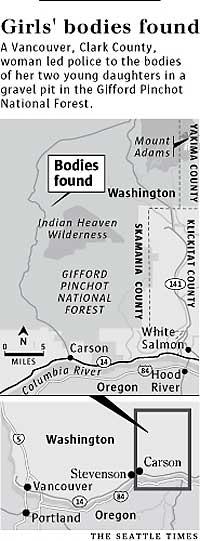
On June 12, 2004, Dorcy's psychotic pathology reached a lethal tipping point. After forming the intent to eliminate her children, she drove them deep into the remote wilderness of the Gifford Pinchot National Forest in Skamania County. Arriving at an abandoned rock quarry near Lone Butte, Dorcy utilized her husband's .22-caliber rifle to shoot 4-year-old Jessica and 2-year-old Brittney multiple times, causing immediate death. This modus operandi demonstrated goal-directed physical capability—navigating remote terrain and operating a firearm—operating entirely beneath the delusional framework of her unmanaged psychosis.
3. Investigation and Forensic Pursuit
Immediately following the murders, Dorcy's behavior oscillated between delusional detachment and the execution of a self-reporting protocol. Roughly one hour post-crime, she stopped at a payphone to call her sister-in-law and confess. She subsequently drove to a police station in Vancouver, surrendered to authorities, and volunteered to lead Clark and Skamania County detectives directly to the victims' remains. On June 14, 2004, law enforcement recovered the bodies from the secluded quarry. Concurrently, investigative scrutiny focused on prior reports made by neighbors to Child Protective Services (CPS), which had declined intervention due to the absence of immediate physical abuse criteria.
4. Legal Proceedings and Competency
Following her surrender, Dorcy was booked into the Skamania County Jail on two counts of first-degree murder. The prosecution timeline faced multiple delays due to competency evaluations concerning her fitness to stand trial. In October 2004, a local judge ordered her commitment to a psychiatric facility for six-month inpatient treatment involving mandated antipsychotic medication. Upon achieving clinical stabilization, medical evaluators declared her competent to face criminal charges. Facing potential capital punishment or life imprisonment without parole under aggravated murder charges, defense counsel negotiated a plea agreement.
5. Psychiatric Evaluation and Disposition
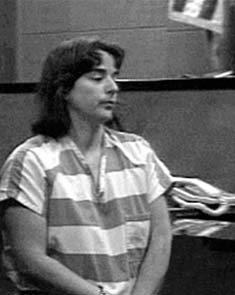
On May 26, 2005, during her sentencing hearing, Dorcy delivered an incoherent, tearful statement ranting about animal rights and vegetarianism while completely omitting any mention of her daughters or expression of remorse. Prosecuting attorney Peter Banks emphasized her clear understanding of the wrongfulness of her actions despite her pathology. Under the terms of the plea bargain, Dorcy was sentenced to 63 years in prison—effectively ensuring a life sentence given her age—thereby concluding one of the region's most tragic filicidal investigations.