Forensic & Criminological Matrix
| Parameter | Forensic Detail |
|---|---|
| Forensic Heading / Aliases | null |
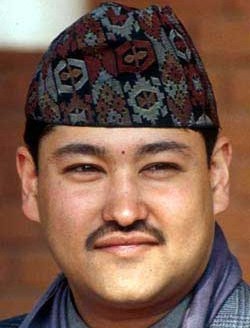
| Legal Identity | Dipendra Bir Bikram Shah Dev |
| Confirmed Victims | 9 |
| Attributed / Indicted Victims | 10 |
| Active Timeline | June 1, 2001 |
| Jurisdiction / Area of Operations | Narayanhiti Royal Palace, Nepal |
| Criminological Classification | Mass Murderer |
| Forensic Modus Operandi | Automatic weapon discharge in confined space |
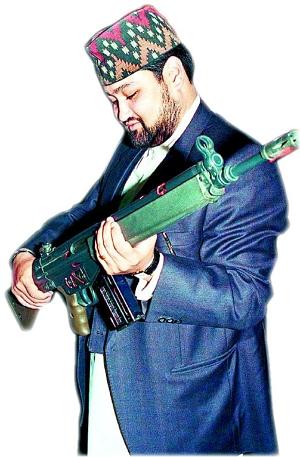
| Weapon / Mechanism of Death | M16 Rifle, MP5K Submachine gun, Glock 19 |
| Motive / Behavioral Dynamics | Family conflict over marriage choice |
| Judicial Outcome | Perpetrator deceased (Suicide) |
1. Background and Profile
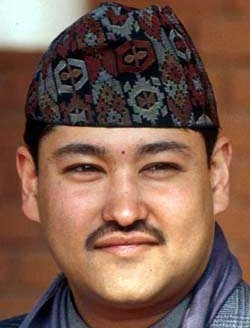
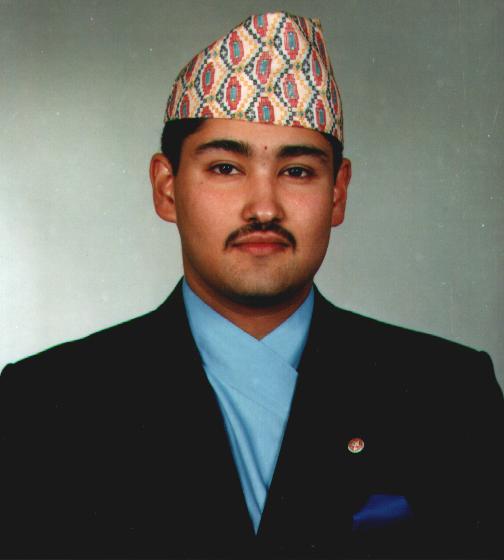
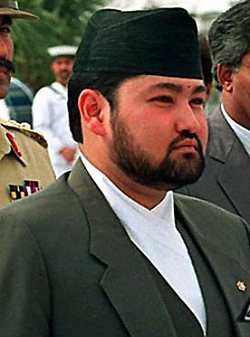
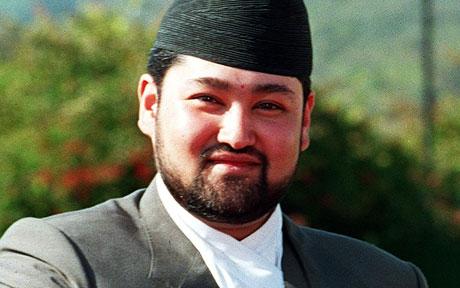
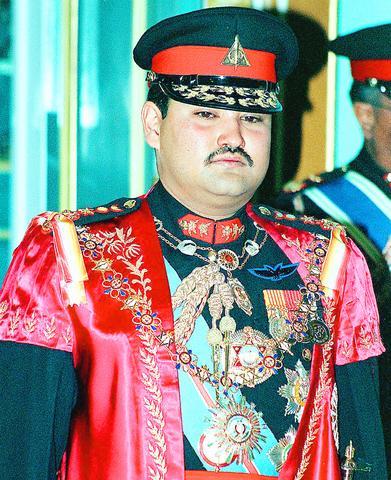
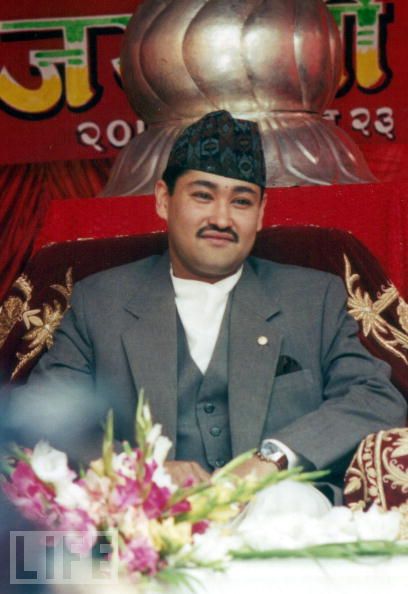
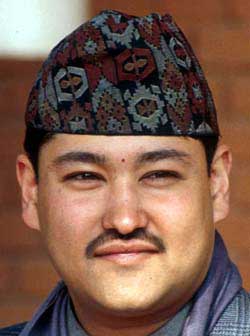
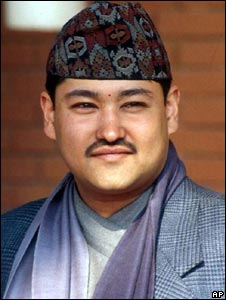
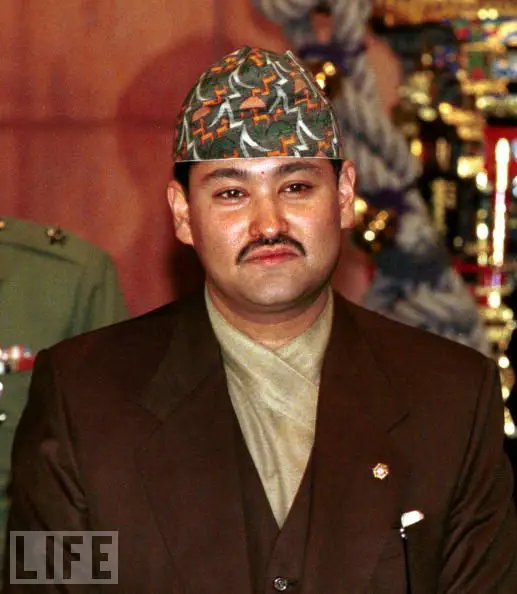
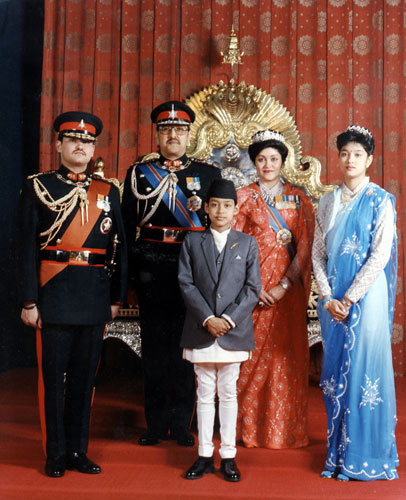
Dipendra Bir Bikram Shah was the Crown Prince of Nepal. His education included Eton College and Tribhuvan University. He was known for his military training and proficiency in karate. Despite his royal status, he harbored deep-seated frustrations regarding his personal life and family expectations.
2. Crime Spree
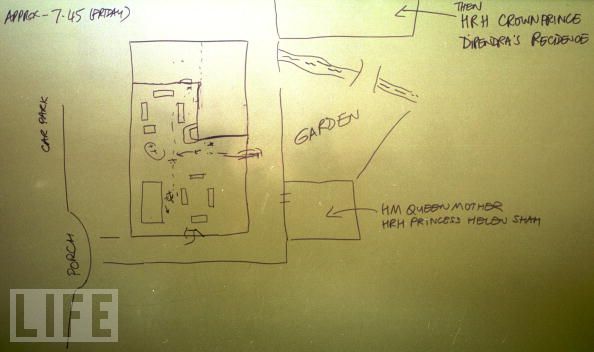
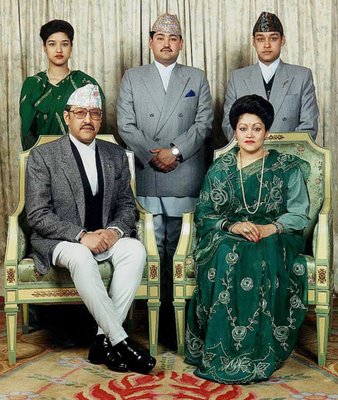
On the night of June 1, 2001, after being escorted from a family gathering due to intoxication, Dipendra returned with military-grade weaponry. He systematically targeted his family members, including King Birendra and Queen Aishwarya, in the Billiard Room of the Narayanhiti Palace. The attack was characterized by extreme violence and rapid execution.
3. Investigation and Forensic Analysis
A high-level committee was established to investigate the massacre. Forensic evidence, including ballistic reports from the M16 and MP5K rifles, and DNA testing of blood samples, conclusively linked the Crown Prince to the crime scene. Witness testimonies from survivors corroborated the forensic findings.
4. Legal Proceedings and Outcome
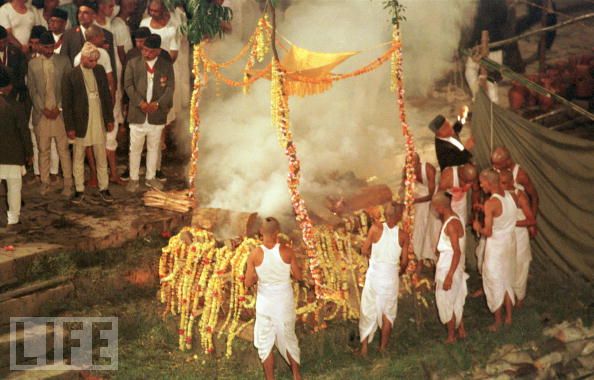
As the perpetrator died from a self-inflicted gunshot wound shortly after the massacre, no criminal trial occurred. He was technically King for three days while in a coma. The incident led to the accession of King Gyanendra.