



Forensic & Criminological Matrix
| Parameter | Forensic Detail |
|---|---|
| Forensic Heading / Aliases | Papo la Muerte |
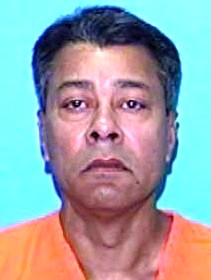
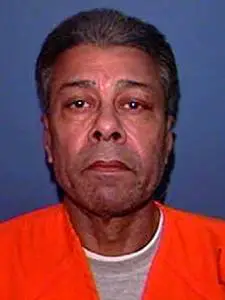
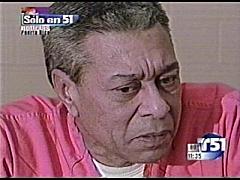
| Legal Identity | Angel Nieves Diaz |
| Confirmed Victims | 1 |
| Attributed / Indicted Victims | 2 |
| Active Timeline | 1970s - 1980s |
| Jurisdiction / Area of Operations | Puerto Rico, Connecticut, Florida (USA) |
| Criminological Classification | Murderer, recidivist violent offender |
| Forensic Modus Operandi | Armed robbery with lethal force |
| Weapon / Mechanism of Death | Firearm (handgun) |
| Motive / Behavioral Dynamics | Profit, antisocial behavior |
| Judicial Outcome | Death penalty (lethal injection) |
1. Background and Profile
Angel Nieves Diaz was a Puerto Rican native with a significant criminal history prior to his arrival in the United States. His record included a second-degree murder conviction in Puerto Rico and multiple violent prison escapes, including a notable incident in Connecticut where he held a guard at knifepoint. His criminal trajectory was marked by persistent violence.
2. Criminal Career and Modus Operandi
In December 1979, Diaz was involved in the robbery of the 'Velvet Swing' lounge in Miami. During the robbery, manager Joseph Nagy was shot and killed. Diaz's involvement was established through forensic evidence (thumbprints) and witness testimony, though his role as the actual triggerman remained a point of legal contention.
3. Investigation and Arrest
The case was a 'cold case' for four years until a tip from Diaz's girlfriend led to his arrest. The investigation was conducted during a period of high volatility in Miami, complicating the collection of evidence. Accomplices included Angel 'Sammy' Toro and an unidentified male known as 'Willie'.
4. Legal Proceedings and Outcome
Diaz's trial was characterized by significant procedural issues, including language barriers and the use of jailhouse informant testimony that was later recanted. Despite his claims of innocence and the lack of definitive evidence regarding who fired the fatal shot, he was sentenced to death.
5. Forensic Outcome and Execution
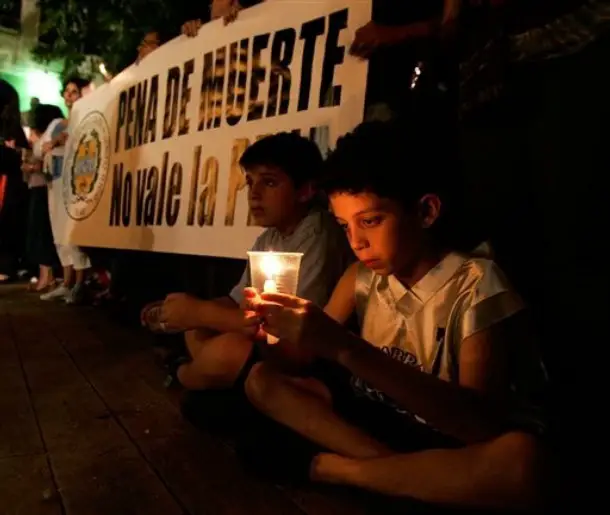
Angel Nieves Diaz was executed on December 13, 2006. The execution became a subject of intense scrutiny due to complications during the lethal injection process, which lasted significantly longer than expected, leading to widespread criticism of the state's execution protocols.