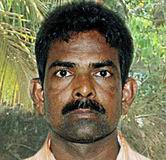
Forensic & Criminological Matrix
| Parameter | Forensic Detail |
|---|---|
| Forensic Heading / Aliases | Hamilton serial killer |
| Legal Identity | Sukhwinder Singh Dhillon |
| Confirmed Victims | 2 |
| Attributed / Indicted Victims | 5 |
| Active Timeline | Late 20th - Early 21st Century |
| Jurisdiction / Area of Operations | India |
| Criminological Classification | Serial Killer (Poisoner) |
| Forensic Modus Operandi | Systematic poisoning |
| Weapon / Mechanism of Death | Toxic substances |
| Motive / Behavioral Dynamics | Financial gain |
| Judicial Outcome | Deceased in 2013 |
1. Background and Profile
Sukhwinder Singh Dhillon was a calculated offender whose criminal career was defined by the betrayal of familial trust. Operating within India, he utilized his position to systematically eliminate relatives to secure financial assets.
2. Criminal Career and Modus Operandi
Dhillon's modus operandi relied on the administration of lethal toxins to those closest to him. By masking his actions as natural deaths, he successfully evaded law enforcement for a significant period, allowing him to profit from his crimes without immediate suspicion.
3. Investigation and Arrest
The investigation into Dhillon's activities was complex, requiring extensive forensic analysis of historical medical records and toxicology reports. Investigators eventually identified a pattern of suspicious deaths linked directly to his presence.
4. Legal Proceedings and Outcome
Following his identification as a primary suspect, the legal process was cut short by his death in 2013. While he was never fully prosecuted for all attributed crimes, forensic evidence confirmed his involvement in multiple fatalities.
5. Psychiatric Assessment and Conclusion
Dhillon's behavior indicates a high degree of predatory planning and a lack of empathy, consistent with instrumental psychopathy. His death effectively ended the investigation into his full scope of criminal activity.