Forensic & Criminological Matrix
| Parameter | Forensic Detail |
|---|---|
| Forensic Heading / Aliases | Arthur Devereux |
| Legal Identity | William Arthur Devereux |
| Confirmed Victims | 3 |
| Attributed / Indicted Victims | 3 |
| Active Timeline | 1905 |
| Jurisdiction / Area of Operations | London, United Kingdom |
| Criminological Classification | Familicide (uxoricide and filicide) |
| Forensic Modus Operandi | Poisoning via deceptive administration |
| Weapon / Mechanism of Death | Toxic substance (disguised as medicine) |
| Motive / Behavioral Dynamics | Financial distress and inability to cope |
| Judicial Outcome | Executed by hanging in August 1905 |
1. Background and Profile
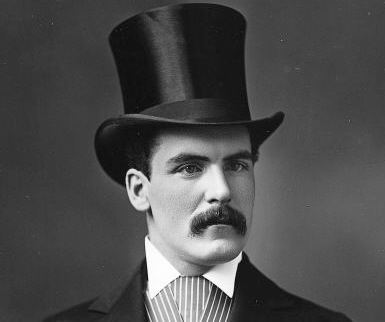
William Arthur Devereux was a man struggling with severe financial and psychological pressures in early 20th-century Britain. Unable to cope with the responsibilities of supporting his wife, Beatrice, and their twin children, he descended into a state of criminal intent directed at his own family.
2. Crime Spree
In 1905, Devereux persuaded his wife to consume a toxic substance, which he claimed was cough medicine, and to administer the same to their twins. Following the deaths, he placed the bodies in a trunk and relocated to a new address with his surviving son, attempting to conceal the crime.
3. Investigation and Arrest
Beatrice's mother became suspicious of her daughter's sudden disappearance and Devereux's inconsistent excuses. She tracked the trunk to a warehouse, where it was opened, revealing the bodies. A critical piece of forensic evidence emerged: Devereux had applied for a job prior to the murders, listing himself as a widower, which indicated clear premeditation.
4. Legal Proceedings and Outcome
Following the discovery of the bodies and the incriminating job application, Devereux was arrested and brought to trial. The evidence presented was overwhelming, leading to a conviction for the murder of his family.
5. Forensic Conclusion
Arthur Devereux was sentenced to death for his crimes. He was executed by hanging in August 1905.