



Forensic & Criminological Matrix
| Parameter | Forensic Detail |
|---|---|
| Forensic Heading / Aliases | null |
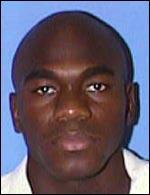
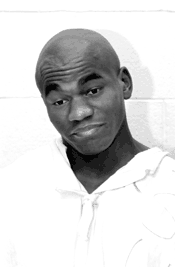
| Legal Identity | Edwin Carl Debrow Jr. |
| Confirmed Victims | 1 |
| Attributed / Indicted Victims | 1 |
| Active Timeline | 1991 |
| Jurisdiction / Area of Operations | San Antonio, Texas |
| Criminological Classification | Juvenile murderer / Violent offender |
| Forensic Modus Operandi | Armed robbery with summary execution |
| Weapon / Mechanism of Death | .38 caliber handgun |
| Motive / Behavioral Dynamics | Robbery, antisocial behavior, gang influence |
| Judicial Outcome | 40-year prison sentence (re-sentenced in 2007) |
1. Background and Profile
Edwin Carl Debrow Jr. was born on June 24, 1979, in San Antonio, Texas. Raised in the impoverished Northeast Side, he was exposed to gang violence and drug abuse from a very young age. His behavioral issues led to his removal from the public school system and a diagnosis of emotional disturbance. By age 10, he was already affiliated with the 'Altadena Block Crips' gang, seeking the structure and power he lacked at home.
2. Criminal Career and Modus Operandi
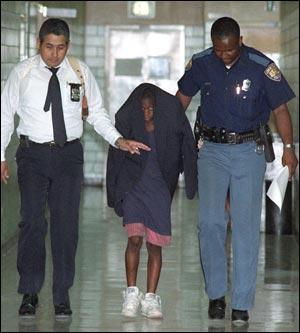
On September 21, 1991, at age 12, Debrow and an adult accomplice, Floyd Hardeman, orchestrated a robbery of a taxi driver, Curtis Edwards. During the commission of the crime, Debrow shot Edwards in the back of the head with a .38 caliber handgun. The vehicle crashed into a house, and Debrow fled the scene, leaving behind forensic evidence that would later link him to the murder.
3. Investigation and Arrest
Police were alerted to Debrow after he boasted about the murder to hospital staff while being treated for injuries sustained in the crash. Forensic evidence, including a blood-stained sweatshirt and a matching sneaker found in the taxi, provided the basis for his arrest and subsequent conviction.
4. Legal Proceedings and Outcome
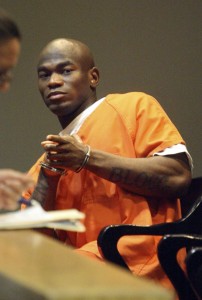
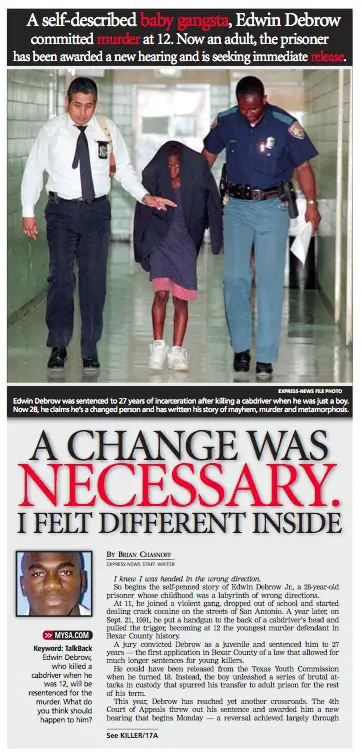
Debrow became the youngest murder defendant in Bexar County history. Initially sentenced to 27 years in 1992, he successfully appealed his sentence in 2007 due to procedural errors. However, a new jury sentenced him to 40 years—the maximum allowed under 1992 juvenile law—citing his extensive record of prison violence and lack of remorse.
5. Psychiatric Assessment and Conclusion
Debrow has been diagnosed with antisocial personality disorder and bipolar disorder. His time in the Texas Department of Criminal Justice has been marked by further violent infractions, including a prison stabbing. He remains incarcerated, with multiple parole denials.