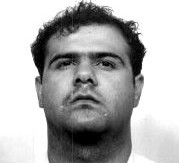
Forensic & Criminological Matrix
| Parameter | Forensic Detail |
|---|---|
| Forensic Heading / Aliases | None |
| Legal Identity | Jesse de la Rosa |
| Confirmed Victims | 1 |
| Attributed / Indicted Victims | 2 |
| Active Timeline | August 22, 1979 |
| Jurisdiction / Area of Operations | San Antonio, Texas |
| Criminological Classification | Violent Offender |
| Forensic Modus Operandi | Armed robbery of convenience stores using a .32 caliber pistol |
| Weapon / Mechanism of Death | .32 caliber pistol |
| Motive / Behavioral Dynamics | Robbery-homicide |
| Judicial Outcome | Death penalty, executed 1985 |
1. Background and Profile
Jesse de la Rosa was characterized by psychological evaluations as having borderline intelligence. Forensic experts noted he functioned between mild mental retardation and low-normal intelligence, which became a central point of contention regarding his ability to waive his constitutional rights during police interrogation.
2. Crime Spree
On the morning of August 22, 1979, De la Rosa engaged in a violent spree in San Antonio. He robbed two convenience stores. At a 7-11, he shot and killed 27-year-old Masoud Ghazali. At a Stop & Go, he shot Patricia Johnson twice; she survived and provided critical testimony. Forensic evidence included fingerprints found at the crime scenes.
3. Investigation and Arrest
Police apprehended De la Rosa at a residence. Despite claims that he did not understand his Miranda rights due to his cognitive limitations, the court found that officers had provided multiple, clear explanations in both English and Spanish. He eventually confessed to both shootings.
4. Legal Proceedings and Outcome
De la Rosa was convicted of capital murder. His appeals focused on alleged jury misconduct, specifically regarding discussions of parole and a juror's personal bias related to his stepfather's criminal history. Federal courts ultimately affirmed the conviction and the death sentence.
5. Psychiatric Evaluation and Final Disposition
Psychologists testified regarding his cognitive abilities. The court concluded that he was competent and had voluntarily waived his rights. Following the exhaustion of his appeals, he was executed by the State of Texas in 1985.