




Forensic & Criminological Matrix
| Parameter | Forensic Detail |
|---|---|
| Forensic Heading / Aliases | N/A |
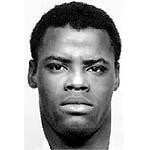
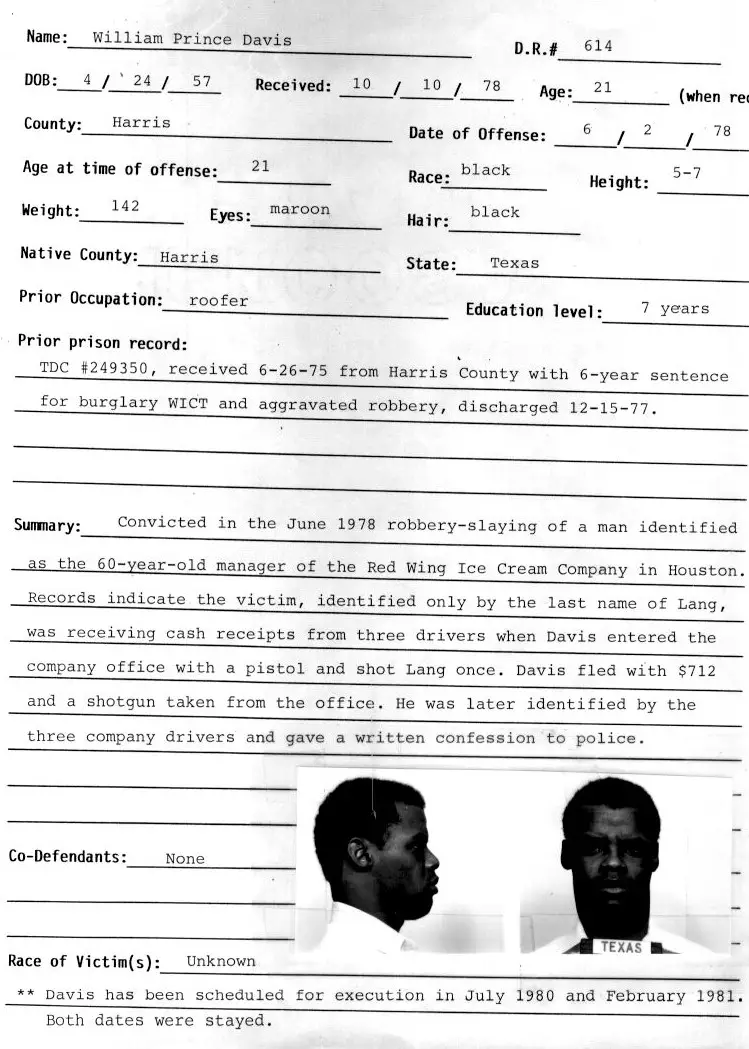
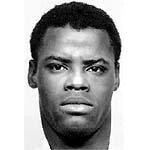
| Legal Identity | William Prince Davis |
| Confirmed Victims | 1 |
| Attributed / Indicted Victims | 1 |
| Active Timeline | 1974-1978 |
| Jurisdiction / Area of Operations | Houston, Texas |
| Criminological Classification | Robbery-Homicide Offender |
| Forensic Modus Operandi | Armed robbery using a .32 caliber pistol |
| Weapon / Mechanism of Death | .32 caliber handgun |
| Motive / Behavioral Dynamics | Financial gain and instrumental violence |
| Judicial Outcome | Death penalty (Executed) |
1. Background and Profile
Born in 1957, William Prince Davis began his criminal trajectory at age 12 with bicycle thefts. By 1975, he had been convicted of burglary and three counts of aggravated robbery, involving the use of hostages. Released in December 1977, he returned to criminal activity within seven months, culminating in the murder of Richard Lang.
2. Criminal Career and Modus Operandi
On June 2, 1978, Davis entered the Red Wing Ice Cream Co. office in Houston. He forced employees against a wall before shooting 60-year-old manager Richard Lang in the chest with a .32 caliber pistol. Davis escaped with over $700 and a shotgun. He later confessed to a spree of robberies and burglaries, including targeting the same ice cream shop just one week prior to the murder.
3. Investigation and Arrest
Davis was arrested on July 8, 1978. His confession was comprehensive, detailing his involvement in over 20 robberies and burglaries. Eyewitness testimony, including that of the victim's son, Michael Lang, solidified the prosecution's case.
4. Legal Proceedings and Outcome
In September 1978, a Harris County jury convicted Davis of capital murder. He was sentenced to death on September 19, 1978. Despite numerous appeals filed over the next 21 years, his conviction and sentence were upheld by the Texas Court of Criminal Appeals and the U.S. Supreme Court.
5. Forensic Psychiatric and Final Outcome
William Prince Davis was executed on September 14, 1999. His final statement included expressions of remorse and a reference to the Dallas Cowboys. He spent nearly half of his life on death row, becoming one of the longest-serving inmates at the time of his execution.