




Forensic & Criminological Matrix
| Parameter | Forensic Detail |
|---|---|
| Forensic Heading / Aliases | Diamondfield Jack |
| Legal Identity | Jackson Lee Davis |
| Confirmed Victims | 0 (Pardoned after conviction) |
| Attributed / Indicted Victims | 2 (John Wilson and Daniel Cummings) |
| Active Timeline | 1895-1896 |
| Jurisdiction / Area of Operations | Idaho and Nevada, USA |
| Criminological Classification | Corporate hitman / Frontier gunman |
| Forensic Modus Operandi | Use of large-caliber firearms for intimidation and targeted execution |
| Weapon / Mechanism of Death | .45 caliber revolver with .44 caliber ammunition |
| Motive / Behavioral Dynamics | Protection of cattle interests (Sparks-Harrell Cattle Co.) |
| Judicial Outcome | Death sentence commuted to life imprisonment; pardoned in 1902 |
1. Background and Profile
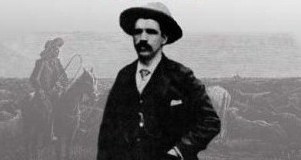
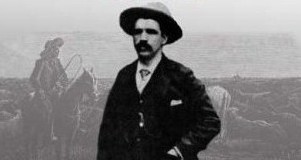
Jackson Lee Davis, widely known as 'Diamondfield Jack', was born circa 1863. His criminal career was defined by his employment with the Sparks-Harrell cattle company, where he was tasked with enforcing territorial boundaries against sheepherders. His nickname originated from his persistent, albeit false, claims of a diamond strike in Silver City, Idaho.
2. Criminal Career and Modus Operandi
Davis utilized intimidation tactics, including shooting to wound. In 1896, the murders of John Wilson and Daniel Cummings in the Shoshone Basin were attributed to him. Forensic evidence, such as a blood-drawn diamond at the scene and specific ballistics, made him the prime suspect in a case that epitomized the 'Range Wars'.
3. Investigation and Arrest
Following the murders, Davis fled to the Arizona Territory, where he was apprehended while serving time for a separate shooting incident. He was extradited to Idaho to face trial, where the prosecution relied heavily on circumstantial evidence and his own previous admissions of violence.
4. Legal Proceedings and Outcome
Davis was sentenced to hang in 1897. The case became a cause célèbre, with public opinion shifting in his favor following the confessions of James Bower and Jeff Gray. After years of legal maneuvering, his death sentence was commuted in 1901, and he was pardoned by Governor Frank W. Hunt in 1902.
5. Behavioral Dynamics and Final Years
After his release, Davis successfully transitioned into the mining industry in Nevada. He died in 1949 in Las Vegas after being struck by a taxi, ending a life that transitioned from a frontier enforcer to a wealthy prospector.