



Forensic & Criminological Matrix
| Parameter | Forensic Detail |
|---|---|
| Forensic Heading / Aliases | Tiny, Bud |
| Legal Identity | Allen Lee Davis |
| Confirmed Victims | 3 |
| Attributed / Indicted Victims | 3 |
| Active Timeline | 1982 |
| Jurisdiction / Area of Operations | Jacksonville, Florida, USA |
| Criminological Classification | Multiple murderer |
| Forensic Modus Operandi | Home invasion, extreme physical assault, and execution by firearm |
| Weapon / Mechanism of Death | Firearm and blunt force trauma |
| Motive / Behavioral Dynamics | Robbery and sadistic violence |
| Judicial Outcome | Death penalty (executed via electric chair) |
1. Background and Profile
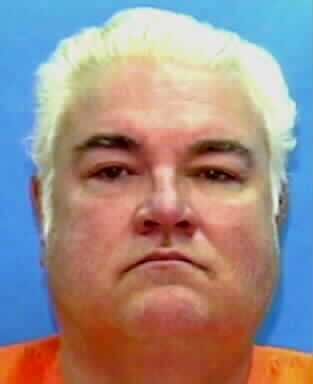
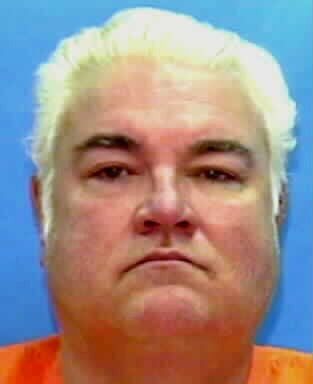
Allen Lee Davis (1944–1999) was an American criminal whose life of delinquency culminated in one of the most notorious triple homicides in Florida history. Known to associates as "Tiny" or "Bud," his criminal trajectory demonstrated a profound disregard for human life.
2. Crime Spree
On May 11, 1982, Davis entered the Jacksonville home of the Weiler family. He brutally bludgeoned Nancy Weiler, who was three months pregnant, with such force that the firearm used in the attack was destroyed. He then proceeded to execute the two young daughters, 10-year-old Kristy and 5-year-old Katherine, using both gunfire and blunt force trauma to their skulls.
3. Investigation and Forensic Hunt
The crime scene was characterized by extreme violence. Forensic evidence, including the broken firearm and physical traces left at the scene, led to the swift identification and apprehension of Davis. The brutality of the crime left the community in shock and became a focal point for debates regarding capital punishment.
4. Legal Proceedings and Outcome
Davis was convicted and sentenced to death. He spent 16 years on death row, during which his legal team filed numerous appeals, including claims that his obesity would make electrocution a cruel and unusual punishment. These appeals were ultimately rejected by the courts.
5. Forensic Outcome and Execution
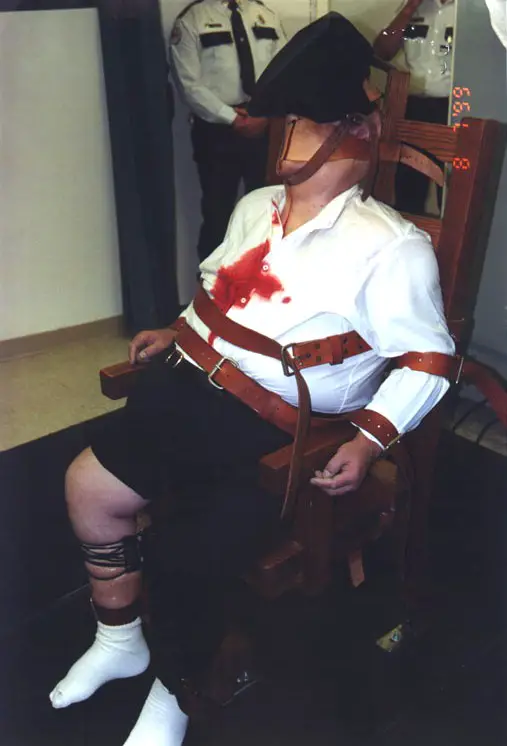
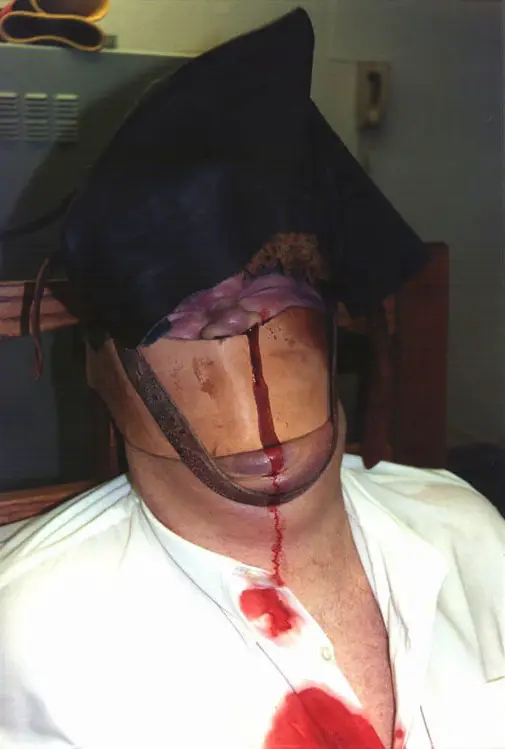
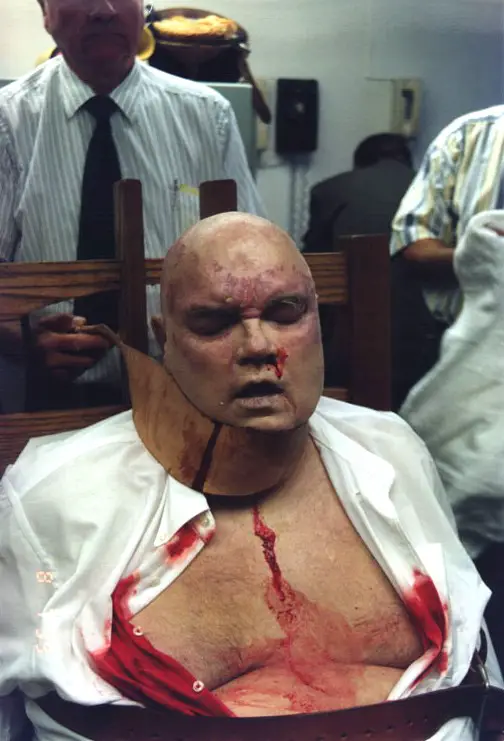
On July 8, 1999, Davis was executed via the electric chair. The execution became highly controversial after photographs showed Davis bleeding from the nose and face, leading to widespread public and legal debate over the humanity of the electric chair as a method of execution in Florida.