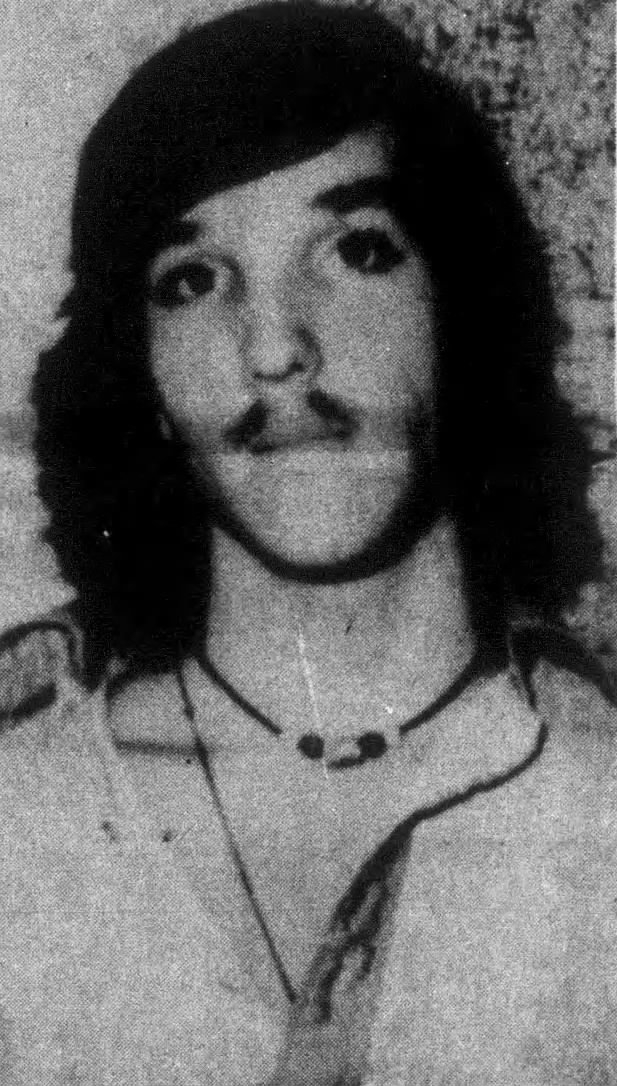
Forensic & Criminological Matrix
| Parameter | Forensic Detail |
|---|---|
| Forensic Heading / Aliases | Freckle-Faced Killer |
| Legal Identity | Cyril Darville |
| Confirmed Victims | 1 |
| Attributed / Indicted Victims | 9 |
| Active Timeline | 1990 |
| Jurisdiction / Area of Operations | Nassau, Bahamas |
| Criminological Classification | Serial Murderer (attributed) |
| Forensic Modus Operandi | Execution by firearm in rural areas |
| Weapon / Mechanism of Death | Firearm |
| Motive / Behavioral Dynamics | Undetermined |
| Judicial Outcome | Death sentence (commuted to life imprisonment) |
1. Background and Profile
Cyril Darville (born 1962) was a butcher at City Market in Nassau, Bahamas. He became the subject of a major criminal investigation after a series of disappearances involving local 'hackers' (unlicensed taxi drivers).
2. Crime Spree
Darville was primarily convicted for the murder of Ray Anthony Feaste, 27, whose body was discovered on March 17, 1990, off Gladstone Road. Feaste had been missing since March 10. Authorities suspected Darville was responsible for the deaths of eight other individuals in similar circumstances, though he was only formally tried for Feaste's death.
3. Investigation and Arrest
Police investigations linked Darville to the crime scene through forensic evidence. The pattern of the crimes suggested a serial offender targeting vulnerable workers in the transportation sector. Despite the high number of attributed victims, the prosecution focused on the most solid case to ensure a conviction.
4. Legal Proceedings and Outcome
Darville received a mandatory death sentence on August 13, 1992. A death warrant was read in 1996, but the execution was stayed due to claims of insanity. Following a 2006 Privy Council ruling declaring mandatory death sentences unconstitutional, his legal status underwent significant review. His sentence was commuted to life imprisonment in 1997.
5. Psychiatric Evaluation and Conclusion
Darville remains incarcerated. His case remains a significant point of reference in Bahamian legal history regarding the transition from mandatory capital punishment to life sentences.