Forensic & Criminological Matrix
| Parameter | Forensic Detail |
|---|---|
| Forensic Heading / Aliases | null |
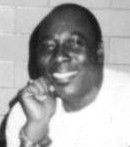
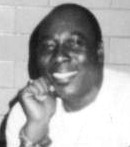
| Legal Identity | Willie Jasper Darden Jr. |
| Confirmed Victims | 1 |
| Attributed / Indicted Victims | 1 |
| Active Timeline | 1973 |
| Jurisdiction / Area of Operations | Lakeland, Florida, USA |
| Criminological Classification | Murderer, Robber, Sexual Assailant |
| Forensic Modus Operandi | Armed robbery of commercial premises with firearm and sexual assault |
| Weapon / Mechanism of Death | Smith & Wesson .38 Special revolver |
| Motive / Behavioral Dynamics | Robbery and sexual violence |
| Judicial Outcome | Executed by electric chair on March 15, 1988 |
1. Background and Profile
Willie Jasper Darden Jr. was a central figure in the American debate over capital punishment. His case gained notoriety for the 14 years he spent on death row, the longest tenure in the United States at the time of his execution, and for the significant international attention and protests it generated.
2. Crime Spree
On September 8, 1973, Darden committed a robbery at Carl's Furniture Store in Lakeland, Florida. During the incident, he shot and killed the store owner, James Turman, and wounded a 16-year-old neighbor, Phillip Arnold. He also sexually assaulted Mrs. Turman. Darden was on a prison furlough at the time of the crime.
3. Investigation and Arrest
Police linked Darden to the crime through eyewitness testimony and the discovery of a .38 caliber revolver near the site of a car crash involving Darden shortly after the murder. The defense maintained his innocence, citing alibi witnesses who were never called to testify.
4. Legal Proceedings and Outcome
The trial was marked by allegations of racial bias, particularly regarding the all-white jury and the prosecutor's inflammatory rhetoric. Despite seven death warrants and numerous stays of execution, the U.S. Supreme Court ultimately declined to intervene. Darden was executed on March 15, 1988.