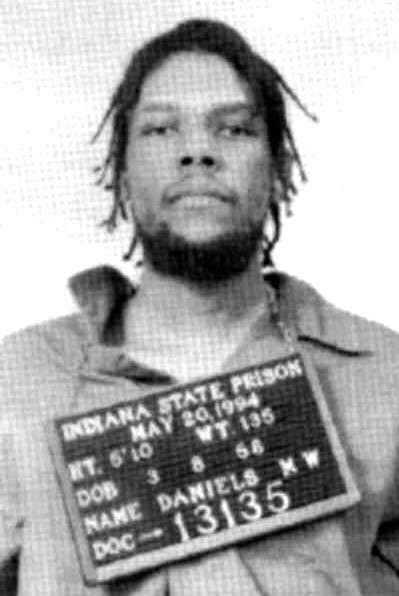
Forensic & Criminological Matrix
| Parameter | Forensic Detail |
|---|---|
| Forensic Heading / Aliases | null |
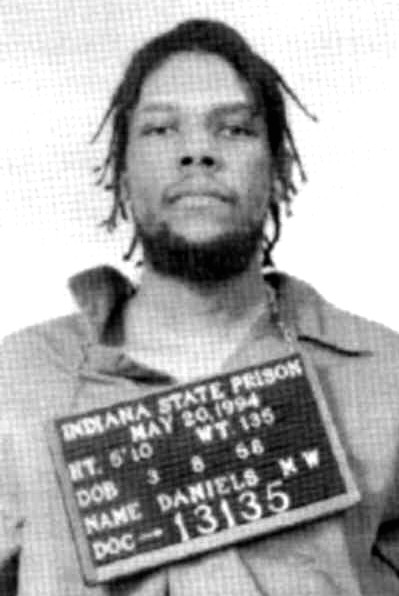
| Legal Identity | Michael William Daniels |
| Confirmed Victims | 1 |
| Attributed / Indicted Victims | 1 |
| Active Timeline | 1978 |
| Jurisdiction / Area of Operations | Indiana, USA |
| Criminological Classification | Murderer (Robbery-Homicide) |
| Forensic Modus Operandi | Armed robbery with lethal force |
| Weapon / Mechanism of Death | Firearm |
| Motive / Behavioral Dynamics | Financial gain / Violent crime |
| Judicial Outcome | Life imprisonment without parole |
1. Background and Profile
Michael William Daniels (born 1958) is an American offender whose criminal career is defined by a fatal armed robbery committed in 1978. His case has become a significant study in Indiana's post-conviction relief procedures.
2. Crime Spree
In 1978, Daniels confronted Allen Streett in his driveway. When Streett informed Daniels that he did not have his wallet, Daniels shot and killed him. The incident was witnessed by the victim's fifteen-year-old son, Timothy Streett, who later provided the primary identification testimony against the defendant.
3. Investigation and Arrest
Police investigation relied heavily on eyewitness testimony. Timothy Streett underwent hypnosis during the identification process, a fact that became the focal point of subsequent legal challenges regarding the reliability of his identification of Daniels as the shooter.
4. Legal Proceedings and Outcome
Daniels was convicted of murder. His legal history is marked by extensive litigation regarding ineffective assistance of counsel. The Indiana Supreme Court, in Daniels III, affirmed that most of his claims were barred by procedural default and the doctrine of waiver, as they were not raised in his initial post-conviction petition. His original death sentence was commuted to life imprisonment without parole.
5. Forensic Conclusion
Daniels remains incarcerated. Federal courts have consistently denied his habeas corpus petitions, citing the AEDPA standards and the state court's proper application of the Strickland v. Washington framework regarding the effectiveness of trial counsel.