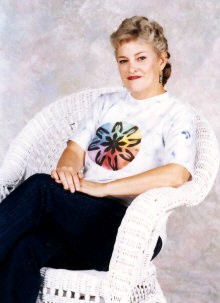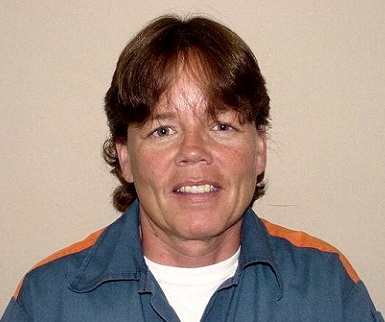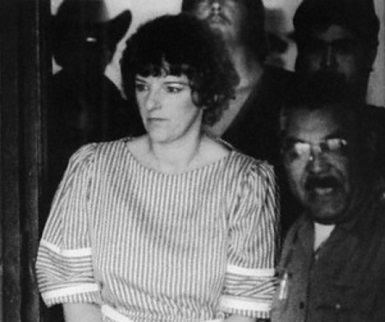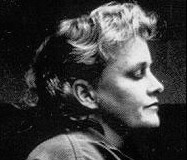





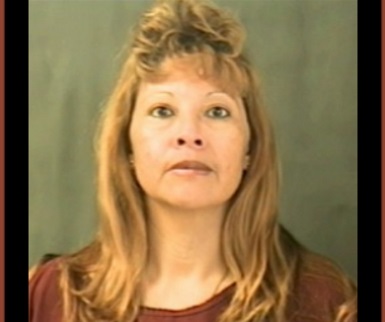
Dana Sue Gray: The Canyon Lake Senior Murders, Compulsive Oniomania, and the California Credit Card Forensics
Executive Summary
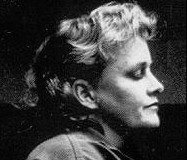
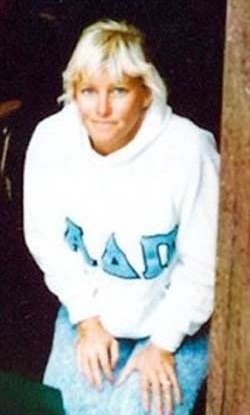
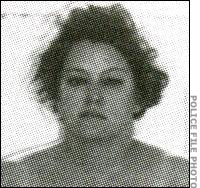
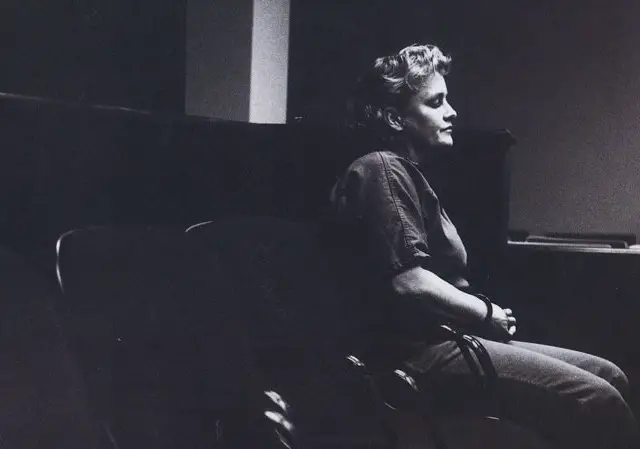
Dana Sue Gray (née Armbrust; born December 6, 1957), known throughout modern American forensic psychiatry and criminal annals as «The Shopping Spree Serial Killer», was an American registered nurse and serial killer responsible for a deadly wave of home-invasion homicides targeting elderly women across Riverside County, California, in early 1994. Within a four-week span, Gray ambushed four vulnerable elderly women living alone, bludgeoning and strangling three to death while critically injuring an eighty-five-year-old survivor.
What made Gray's case unprecedented in criminological literature was the pathological engine governing her homicidal spree: an extreme manifestation of clinical oniomania (compulsive shopping addiction) coupled with severe narcissistic and antisocial personality disorders. Drowning in overwhelming debt and bankruptcy following multiple failed marriages, Gray did not murder for basic survival, but to finance immediate retail therapy. Minutes after bludgeoning and choking her elderly victims, she rushed to high-end department stores such as Nordstrom, beauty salons, and jewelry boutiques, spending thousands of dollars on luxury apparel using the credit cards of women who were still bleeding or dying in their homes.
The Riverside County Sheriff's Department cracked the case in March 1994 through aggressive electronic credit card tracking combined with the eyewitness testimony of surviving victim Dorothy Burt. Facing the death penalty in San Quentin's gas chamber, Gray entered a comprehensive guilty plea in 1998, receiving multiple consecutive life sentences without the possibility of parole at the Central California Women's Facility in Chowchilla.
Technical Forensic Matrix
| Parameter | Forensic Specification |
|---|---|
| Legal Identity | Dana Sue Gray (née Armbrust) |
| Public Recognized Name | Dana Sue Gray |
| Criminological Aliases | «The Shopping Spree Serial Killer» / «The Canyon Lake Killer» |
| Date of Birth | December 6, 1957 (Riverside County, California, U.S.) |
| Current Legal Status | Incarcerated (Life Without Parole - LWOP) |
| Criminological Classification | Organized predatory serial killer / Hedonistic comfort/profit offender |
| Confirmed Murder Victims | 3 elderly women (Norma Davis, 86; June Roberts, 66; Dora Beebe, 87) |
| Surviving Victims | 1 elderly survivor with permanent neurological trauma (Dorothy Burt, 85) |
| Primary Modus Operandi | Pretextual home invasion of isolated elderly women; manual/ligature strangulation and blunt force trauma |
| Primary Motive | Pathological oniomania (frenzied compulsive shopping) and financial narcissism |
| Geographic Scenes | Residential homes in Canyon Lake, Perris, and Sun City (Riverside County, California) |
| Presiding Judicial Body | Riverside County Superior Court, Judge W. Charles Morgan presiding |
| Judicial Sentence | Three consecutive life sentences without the possibility of parole (LWOP) |
| Custodial Institution | Central California Women's Facility (CCWF, Chowchilla, California) |
Early Family Dynamics and Nursing Career (1957–1993)
Dana Sue Armbrust grew up in Southern California in a middle-class household marked by maternal hostility and emotional abuse:
- In adolescence, Dana developed severe compensatory shoplifting and pathological spending habits, using material acquisitions as an emotional coping mechanism.
- She successfully completed nursing school, becoming a licensed intensive care unit (ICU) registered nurse, demonstrating high clinical competence alongside manipulative charm.
- However, her personal life was dominated by financial disaster: she married three times, spending extravagant sums on luxury real estate, sports cars, and elective plastic surgeries that culminated in bankruptcy in 1993 and over $60,000 in immediate debt.
The Homicidal Spree: February to March 1994
In February 1994, facing mortgage foreclosure and eviction from her Canyon Lake home, Gray escalated into serial murder:
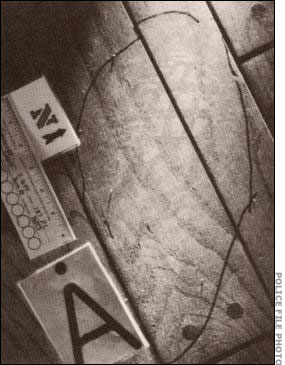
- Norma Davis (February 16, 1994, Canyon Lake): An 86-year-old acquaintance. Gray gained entry under a friendly pretense, bludgeoned her, and repeatedly stabbed her in the neck. Leaving the victim dead, Gray drove directly to a sporting goods store, charging $1,200 on Davis's cards.
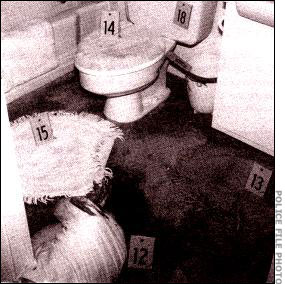
- June Roberts (February 28, 1994, Canyon Lake): A 66-year-old neighbor. Gray asked to borrow books; once inside, she strangled Roberts to death with an electric iron cord before charging thousands of dollars in clothing and massage appointments.
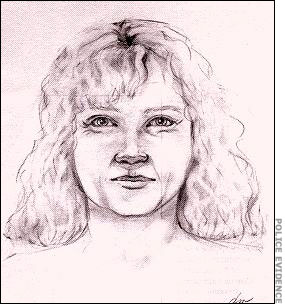
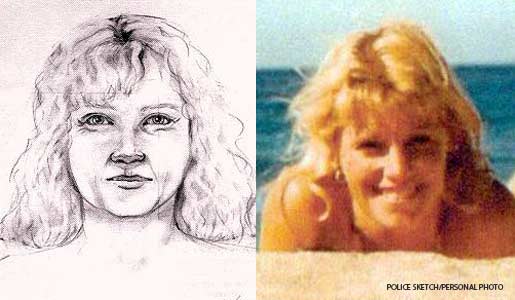
- Dorothy Burt (March 10, 1994, Perris): An 85-year-old resident. Gray asked to use her telephone claiming a vehicle breakdown. Once inside, Gray strangled Burt into unconsciousness and stomped on her head. Miraculously, Burt survived, regained consciousness, and provided a detailed facial composite of her attacker to homicide detectives.
- Dora Beebe (March 16, 1994, Sun City): An 87-year-old woman returning from running errands. Gray ambushed her at her front door, dragged her inside, and fractured her skull with a fireplace poker. Within an hour, mall security cameras captured Gray purchasing designer apparel and perfume with Beebe's credit cards.
Electronic Financial Trailing and Arrest (March 1994)
The Riverside County Sheriff's homicide task force, led by Detective Chris Hider, instituted immediate electronic monitoring on all missing cards:
- When Dora Beebe's credit card was swiped at a boutique in Lake Elsinore, investigators reviewed surveillance video, identifying a tall blonde woman matching Dorothy Burt's composite sketch.
- On March 21, 1994, deputies arrested Gray as she exited her vehicle in Canyon Lake. A search warrant yielded the murder victims' stolen jewelry, purse contents, and retail receipts totaling thousands of dollars stamped minutes after the homicides.
Guilty Plea, Sentencing, and Detention at Chowchilla
Confronted with overwhelming physical evidence, surveillance recordings, and survivor testimony, Gray's defense attorneys negotiated a plea bargain to avert capital punishment:
- In October 1998, Dana Sue Gray entered a guilty plea to three counts of first-degree murder and one count of attempted murder.
- Superior Court Judge W. Charles Morgan sentenced her to three consecutive terms of life imprisonment without parole. She was remanded to the Central California Women's Facility in Chowchilla, where she remains incarcerated.
Criminological Significance of Homicidal Oniomania
Dana Sue Gray's case stands as a unique anomaly in international serial murder typologies:
- Unlike typical female serial poisoners, she employed hands-on, savage physical brutality against her victims.
- Forensic psychiatrists identified an extreme dissociative dopamine-driven loop where the act of murder was merely an administrative prelude to the neurochemical high obtained through euphoric retail consumption.