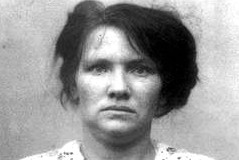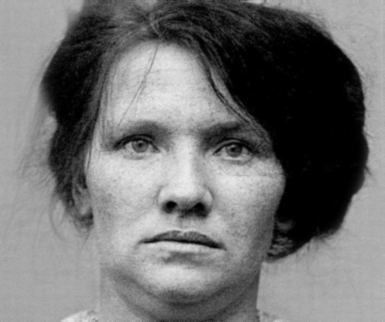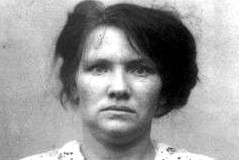




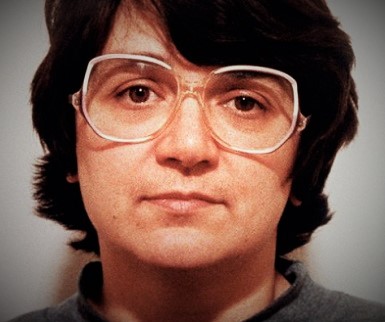
Dagmar Overbye: «The Copenhagen Baby Farmer», the Nørrebro Stove Murders, and the Danish Child Welfare Reform
Executive Summary
Dagmar Johanne Amalie Overbye (April 23, 1887 – May 6, 1929), known throughout Scandinavian criminological history as «The Baby Farmer» (Englemagersken, literally The Angel Maker) or «The Monster of Nørrebro», was a Danish serial killer and child predator recognized as the most prolific murderer in modern Danish history. Between 1913 and 1920, Overbye operated an illicit infant adoption and foster enterprise (baby farming) across working-class neighborhoods of Copenhagen, during which she systematically executed at least nine newborn infants whose remains were forensically verified in court, while police estimated her actual body count between sixteen and twenty-five babies.
Capitalizing on the intense social stigma, destitution, and lack of legal protections afflicting unmarried single mothers in early twentieth-century Denmark, Overbye placed discreet classified advertisements in Copenhagen daily newspapers offering to secure immediate, loving adoptions in prosperous rural households in exchange for cash placement fees ranging between 100 and 300 kroner. Instead of rehoming the infants, Overbye murdered them on the very day of their surrender—or within hours—via pillow suffocation, textile ligature strangulation, or drowning in washbasins. To eradicate physical evidence, she incinerated the infant corpses inside the coal-fired masonry stove of her modest apartment, flushed bundled remains down communal privy latrines, or buried skeletal fragments in city graveyards.
The homicide ring collapsed in August 1920 when a distressed mother, overcome with maternal grief, returned to Overbye's residence to reclaim her child. Met with implausible deflections, the mother alerted the Copenhagen Police. A subsequent forensic search of the premises uncovered infant clothing and charred human cranial bones and vertebrae embedded within the stove ashes. Following an explosive trial in March 1921 that shocked post-war Europe, Overbye was convicted of nine counts of murder and sentenced to death by beheading. King Christian X commuted the capital sentence to life imprisonment. The national outrage over Overbye's atrocities led directly to the landmark 1923 Danish Child Care and Adoption Supervision Act, which established rigorous state oversight over infant foster placements.
Technical Forensic Matrix
| Parameter | Forensic Specification |
|---|---|
| Legal Identity | Dagmar Johanne Amalie Overbye |
| Public Recognized Name | Dagmar Overbye |
| Criminological Aliases | «The Copenhagen Baby Farmer» (Englemagersken) / «The Monster of Nørrebro» |
| Date of Birth | April 23, 1887 (Assendrup, Vedslet, Denmark) |
| Date of Death | May 6, 1929 (Vestre Fængsel Prison, Copenhagen; aged 42) |
| Medical Cause of Death | Acute circulatory failure and cardiac arrest in custodial cell |
| Criminological Classification | Commercial infant serial killer / Predatory baby farmer (Englemager) |
| Confirmed Murder Victims | 9 legally proven infant murders; confessed to 16; suspected of 20+ |
| Primary Wounding Mechanics | Mechanical asphyxiation via smothering, textile cord strangulation, and immersion drowning |
| Post-Mortem Disposal | Complete domestic cremation in masonry coal stove, sewer disposal, and shallow burial |
| Geographic Scene | Enghavevej and Jægersborggade 43 tenements (Nørrebro district, Copenhagen, Denmark) |
| Primary Motive | Financial exploitation (theft of placement fees) and pathological detachment from infant life |
| Presiding Judicial Body | High Court of Eastern Denmark (Østre Landsret, Copenhagen) |
| Initial Sentence | Capital punishment via decapitation (March 1921) |
| Royal Commutation | Commuted to life imprisonment without parole by King Christian X of Denmark |
| Custodial Institution | Vestre Fængsel Central Prison (Copenhagen) |
Early Deprivation, Juvenile Delinquency, and Migration (1887–1912)
Dagmar Overbye was born in rural Assendrup, eastern Jutland, into a destitute agricultural family plagued by paternal alcoholism, neglect, and chronic poverty:
- By her teenage years, Overbye engaged in petty theft and was remanded to juvenile disciplinary homes. At age twenty, she delivered her first illegitimate child, who died under unverified, suspicious circumstances.
- In 1909, she served prison terms for swindling and clothing theft in Aarhus. Following the birth and premature death of a second child around 1912, Overbye migrated to Copenhagen, seeking urban anonymity amidst the rapid industrial expansion of the capital's working-class quarters.
The Economics of Illicit Baby Farming in Copenhagen (1913–1920)
In early twentieth-century Denmark, unattached mothers faced devastating societal ostracism, job loss, and punitive poverty, forcing domestic servants and factory workers to pay private caregivers lump-sum placement fees to take over newborn infants:
- Overbye recognized an effortless criminal income stream. Advertising under false identities in classified columns as a «respectable foster matron», she promised frantic young mothers that their offspring would be adopted by wealthy landowners in the countryside.
- Once the mother handed over the cash fee—typically 100 to 300 Danish kroner (several months' wages for a maid)—Overbye returned to her lodgings:
- Immediate Asphyxiation: The infants rarely survived their first hours in Overbye's custody. She suffocated them with bed feather pillows, strangled them using apron strings, or held them underwater in laundry tubs.
- Domestic Incineration: In her apartment at Jægersborggade 43 in Nørrebro, she fed the small corpses into her tile heating stove fueled by bituminous coal. She masked the stench of burning organic tissue by throwing coffee grounds and pine resin onto the embers, telling questioning neighbors that she was boiling pig lard.
- Urban Waste Disposal: Residual skeletal elements that resisted combustion were wrapped in newspapers and dropped into outdoor privy cesspools, submerged in Sortedam Lake, or buried clandestinely in Assistens Cemetery.
The Karoline Aagesen Investigation and the Stove Discoveries (August 1920)
On August 30, 1920, young domestic maid Karoline Aagesen surrendered her newborn baby girl to Overbye, paying a placement fee of two hundred kroner:
- Overcome with maternal remorse the following morning, Aagesen returned to Overbye's flat determined to reclaim her daughter and refund the payment.
- Overbye became agitated, claiming she had already dispatched the infant to a wealthy family in Helsingør, pretending she had misplaced the adoptive parents' address.
- Recognizing the deception, Aagesen immediately went to Copenhagen Police Headquarters. Detectives accompanied Aagesen back to Jægersborggade and subjected Overbye to formal interrogation.
- A forensic search of the premises yielded damning physical evidence:
- Hidden beneath a sideboard, officers located the baby carriage and clothing bundle delivered by Aagesen only twenty-four hours earlier.
- Opening the cast-iron door of the kitchen tile stove, police pathologists sifted through the warm coal ashes, discovering scorched fragments of an infant skull, charred ribs, and minute cervical vertebrae.
Confession, Landsret Proceedings, and Royal Commutation (1921)
Arrested and held at Vestre Fængsel, Overbye underwent exhaustive interrogation:
- Overbye initially attempted to implicate her domestic partner, Svend Carlsen—who was fully exonerated when investigations proved he had no knowledge of her crimes—before admitting to murdering sixteen infants over seven years.
- Police excavators drained septic lines and dug up tenements across Copenhagen, recovering physical remnants linking Overbye to at least nine distinct homicides.
- On March 3, 1921, before the Eastern High Court (Østre Landsret), the jury returned a unanimous guilty verdict for nine counts of premeditated murder.
- The court sentenced Overbye to death by beheading. However, in May 1921, reflecting Denmark's de facto abolitionist trajectory (no executions had occurred since 1892), King Christian X commuted the sentence to life imprisonment.
Death in Custody and the 1923 Danish Child Protection Legislation
Confined to the psychiatric wing of Vestre Fængsel, prison medical examiners described Overbye as completely devoid of remorse, callously asserting in custodial interviews that she had «spared the children a lifetime of shame and poverty»:
- On May 6, 1929, after eight years of incarceration, Dagmar Overbye died of sudden cardiac failure at age 42.
- The nationwide horror surrounding the Overbye investigation served as the catalyst for sweeping legislative reform: in 1923, the Danish Parliament passed the Child Care and Placement Act (Lov om Tilsyn med Plejebørn):
- The law outlawed unregulated private adoption brokers and banned cash payments for infant transfers.
- It established mandatory municipal inspection, medical monitoring, and state licensing for every child placed into foster care, establishing the foundation of the modern Nordic social welfare safety net.