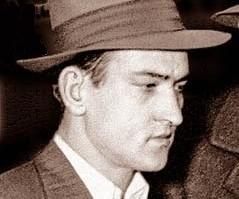
Forensic & Criminological Matrix
| Parameter | Forensic Detail |
|---|---|
| Forensic Heading / Aliases | The Aspirin Bandit |
| Legal Identity | George Joseph Cvek |
| Confirmed Victims | 1 |
| Attributed / Indicted Victims | 156 |
| Active Timeline | 1940-1941 |
| Jurisdiction / Area of Operations | New York and Pennsylvania |
| Criminological Classification | Serial killer, serial rapist |
| Forensic Modus Operandi | Deceptive entry (requesting aspirin) |
| Weapon / Mechanism of Death | Strangulation and physical force |
| Motive / Behavioral Dynamics | Sexual predation |
| Judicial Outcome | Execution by electric chair |
1. Background and Profile
George Joseph Cvek was a prolific sexual predator active in the Eastern United States during the early 1940s. His psychological profile was marked by a profound lack of empathy and persistent antisocial behavior, which he famously attributed to being 'born bad.'
2. Criminal Career and Modus Operandi
Cvek targeted women in their homes, utilizing a ruse where he would request aspirin or medical assistance to gain entry. Once inside, he would commit violent sexual assaults and robberies. Authorities estimated he may have assaulted up to 156 women during his spree.
3. Investigation and Arrest
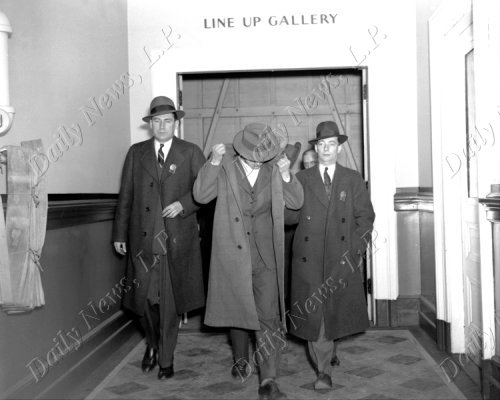
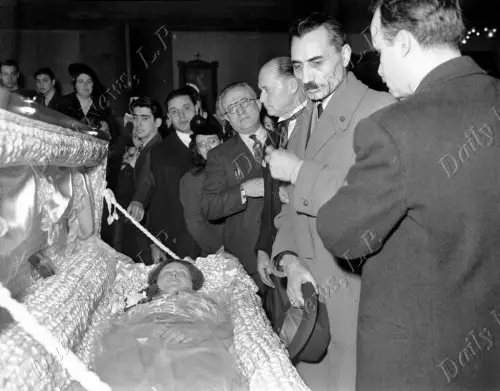
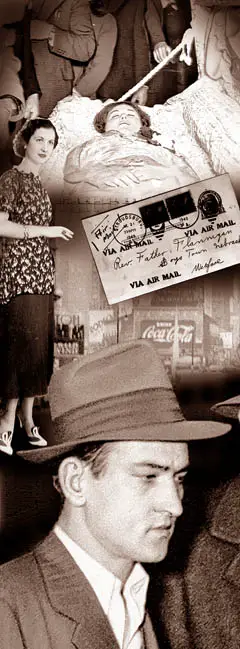
The investigation gained momentum following the 1941 murder of Catherine 'Kitty' Pappas in the Bronx. Law enforcement linked the crime to a string of unsolved sexual assaults, leading to Cvek's identification and subsequent capture.
4. Legal Proceedings and Outcome
Following his arrest, Cvek confessed to the murder of Pappas and admitted to the rape of 14 other women. He was tried, convicted, and sentenced to death for the murder of Catherine Pappas, and was executed in 1942.