



Forensic & Criminological Matrix
| Parameter | Forensic Detail |
|---|---|
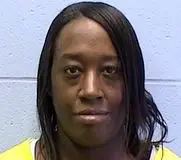
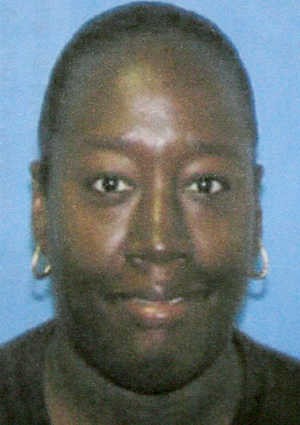
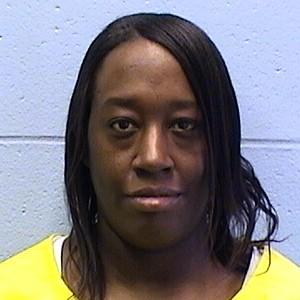
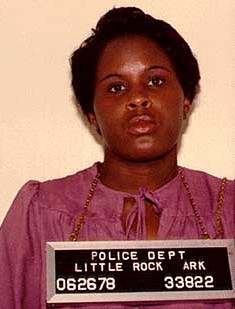
| Forensic Heading / Aliases | LaTosha Cunningham, "Net" |
| Legal Identity | LaTosha A. Cunningham |
| Confirmed Victims | 1 (Yoko Cullen, 85) |
| Active Timeline | May 18, 2011 |
| Jurisdiction / Area of Operations | Collinsville and East St. Louis, St. Clair County, Illinois, USA |
| Criminological Classification | Profit-driven violent offender / Kidnapping and murder |
| Forensic Modus Operandi | Surveillance of vulnerable elderly targets at bingo halls, intercepting victims via vehicle manipulation or light flashing, forced abduction into the victim's own car trunk, extortion for ATM PINs, blunt force trauma with tire irons, and vehicular arson with the victim locked inside. |
| Weapon / Mechanism of Death | Tire irons and thermal destruction / smoke inhalation (burned alive) |
| Motive / Behavioral Dynamics | Financial gain (bingo winnings and credit cards) and witness elimination (victim identified perpetrator's license plate) |
| Judicial Outcome | Sentenced on December 11, 2013, to 60 years in prison without parole by St. Clair County Circuit Court. |
1. Background and Psychopathy
LaTosha A. Cunningham, known as "Net", was born on November 9, 1973, in Belleville, Illinois. Cunningham possessed a documented criminal history involving violent property crimes. In 1993, she was convicted by a jury after shooting a 61-year-old retired Landshire employee in the chest during a robbery yielding 205 dollars, after the victim offered her a ride. Despite her claims of mistaken identity, the victim positively identified her in lineups twice, establishing an early behavioral pattern of escalation to lethal violence when executing opportunistic robberies.
2. Crime Spree
On May 18, 2011, Cunningham orchestrated a conspiracy with accomplices DaQuan D. Barnes and Demarcus Barnes to target Yoko Cullen, an 85-year-old grandmother from Belleville. The offenders frequently crossed paths with Cullen at Collinsville Fireman's Hall Wednesday bingo sessions and erroneously assumed she possessed substantial wealth.
After monitoring Cullen as she left the hall, the suspects intercepted her vehicle. Forcing her to pull over, they abducted her and locked her inside the trunk of her own Mazda. During the abduction, Cunningham realized that Cullen had observed her license plate number. This recognition triggered the decision to murder her to eliminate the witness. They transported Cullen to an isolated industrial area in East St. Louis, where they beat her with tire irons in an attempt to extract her ATM PIN.
3. Investigation and Forensic Pursuit
The investigation escalated when local authorities responded to a vehicle fire in East St. Louis and discovered Cullen's charred remains inside the trunk after the car was towed. Forensic pathology evaluations, including the inspection of the trachea by investigators and pathologists, confirmed the presence of soot inside the airway—conclusive proof that the 85-year-old victim was alive and breathing when the vehicle was set ablaze to destroy evidence.
Forensic teams recovered crucial physical evidence: tire irons containing Cullen's blood inside Cunningham's vehicle, fingerprint matches linking DaQuan Barnes, cell phone tower records establishing criminal coordination, and ATM surveillance stills capturing Cunningham and Demarcus Barnes attempting unauthorized withdrawals using the victim's stolen credit cards.
4. Arrest and Legal Proceedings
Cunningham was arrested three days following the homicide. During initial police interrogations, she denied any involvement. Confronted with co-conspirators' confessions and irrefutable forensic evidence, she altered her statements, fabricating an exculpatory narrative wherein she claimed she merely stopped to render roadside assistance.
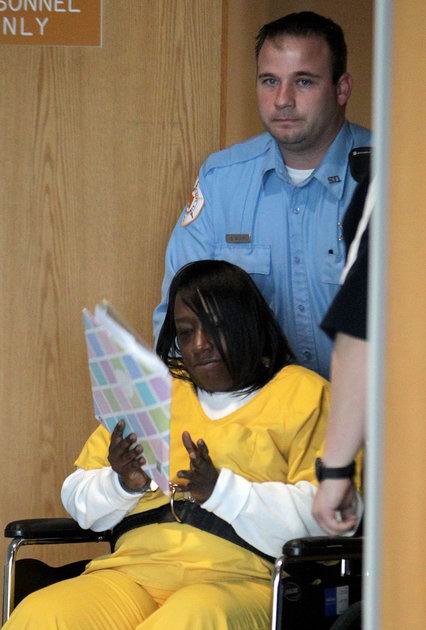
During her initial court appearance, the physiological stress and gravity of the proceedings caused Cunningham to collapse and vomit in front of the judge's bench, requiring evacuation in a wheelchair. St. Clair County Circuit Judge Bob Haida ultimately found her guilty following a stipulated bench trial.
5. Psychiatric Assessment and Outcome
On December 11, 2013, Judge Bob Haida sentenced LaTosha Cunningham to 60 years in prison without the possibility of parole. Under strict Illinois statutes governing first-degree murder convictions, Cunningham was mandated to serve 100 percent of her sentence. The case remains a stark reminder of extreme predatory violence directed against society's most vulnerable demographic for minimal financial gain.