





Forensic & Criminological Matrix
| Parameter | Forensic Detail |
|---|---|
| Forensic Heading / Aliases | Alice Crimmins, The Medea of Kew Gardens Hills, Rusty |
| Legal Identity | Alice Crimmins |
| Confirmed Victims | Eddie Crimmins Jr. (5) and Alice Marie "Missy" Crimmins (4) |
| Active Timeline | July 14, 1965 |
| Jurisdiction / Area of Operations | Queens, New York, USA |
| Criminological Classification | Filicide / Controversial Homicide / Judicial Dispute |
| Forensic Modus Operandi | Domestic strangulation of minors followed by an initial staged disappearance/abduction narrative |
| Weapon / Mechanism of Death | Manual or mechanically assisted strangulation |
| Motive / Behavioral Dynamics | Marital custody battles, lifestyle scrutiny, and intense social pressures of the era |
| Judicial Outcome | Convicted in retrial (1971) of manslaughter of daughter and murder of son; murder conviction later reversed; paroled in November 1977 |
1. Background and Psychopathy
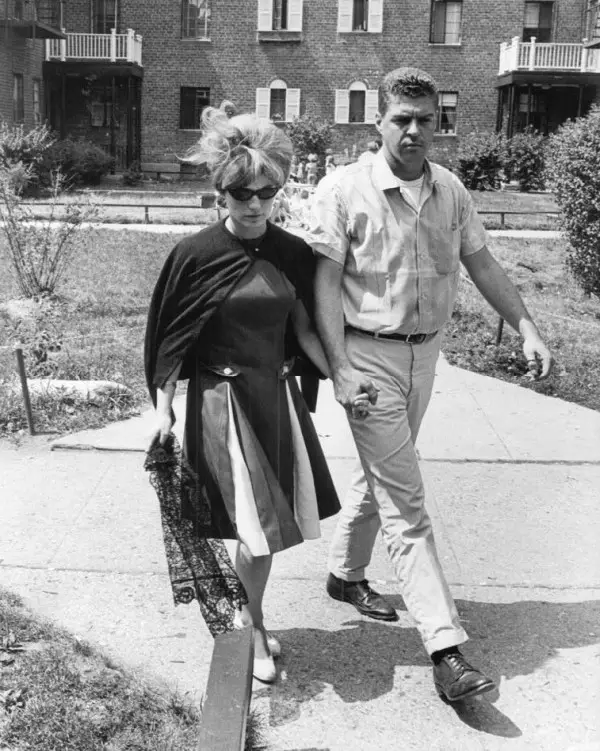
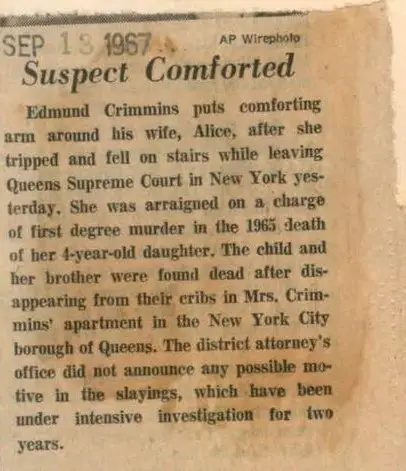
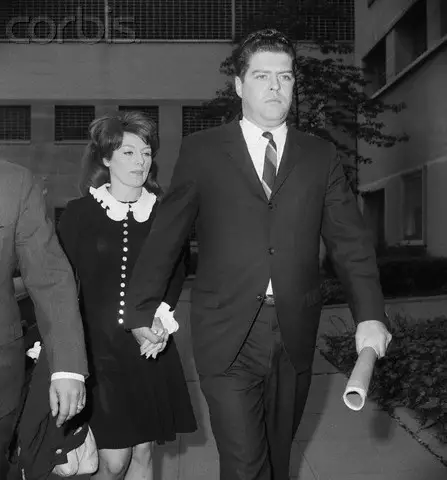
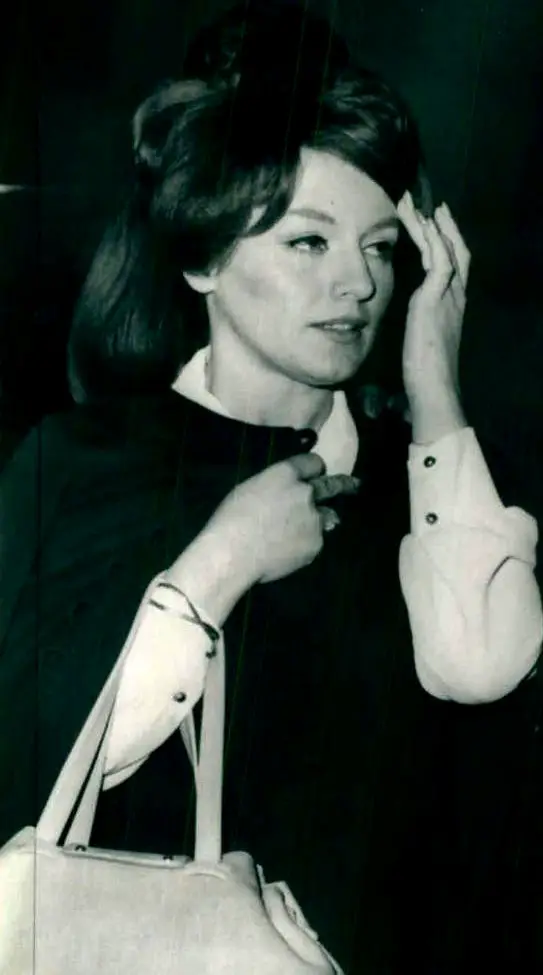
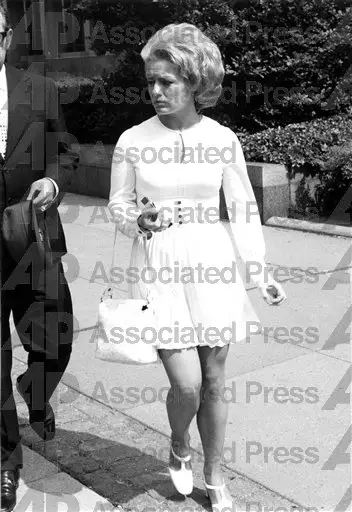
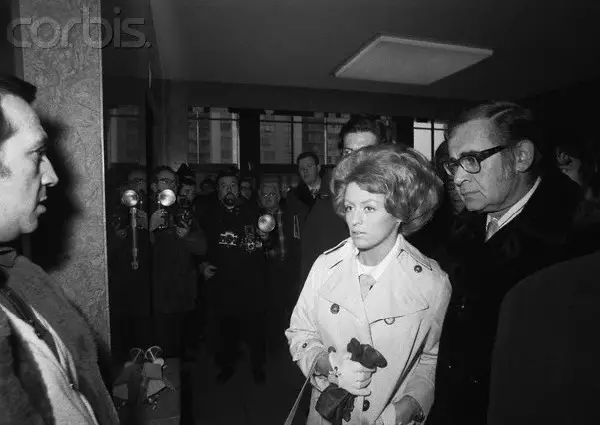
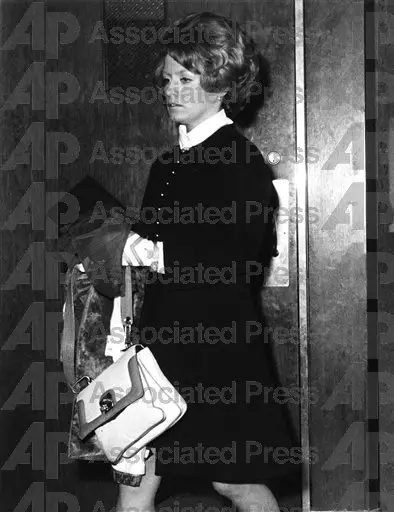
Alice Crimmins became the center of one of the most high-profile legal scandals of the 1960s in New York City. As the mother of two young children, Eddie Jr. and Missy, she resided in an apartment complex in Kew Gardens Hills, Queens. Her marriage to Edmund "Eddie" Crimmins, a night-shift airline mechanic, had severely deteriorated, resulting in separation and a contentious custody dispute. Amidst this marital tension, Alice engaged with various romantic partners, attracting severe moral prejudice from investigators and the contemporary public.
2. Crime Spree
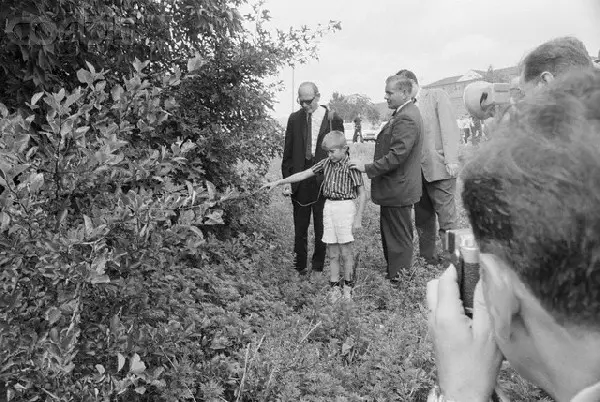
In the early hours of July 14, 1965, both children vanished from their bedroom. Alice reported finding an open window and empty beds, claiming an abduction had taken place. Initial police investigation revealed a confusing domestic scene: empty liquor bottles intended for disposal ahead of a social agency inspection, address books detailing numerous male acquaintances, and conflicting details that immediately drew police suspicion. Days later, little Missy's body was recovered in a vacant lot, showing signs of strangulation. Eddie Jr.'s body was discovered weeks later in an advanced state of decomposition.
3. Police Investigation and Forensic Hunt
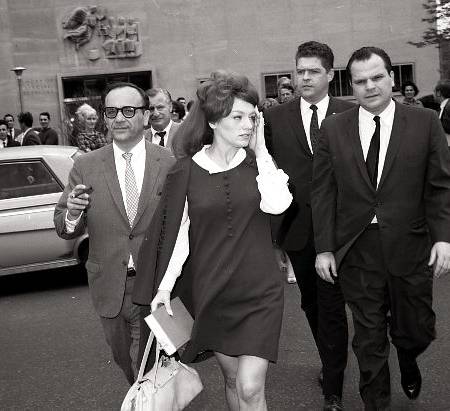
The NYPD investigation focused intensely on Alice Crimmins' personal conduct and social life. Lacking definitive physical or DNA evidence, investigators built their case on circumstantial evidence, neighbor testimonies, and environmental reconstruction. Media outlets subjected Crimmins to severe moral scrutiny, portraying her behavior as incompatible with traditional maternal expectations.
4. Arrest and Judicial Process
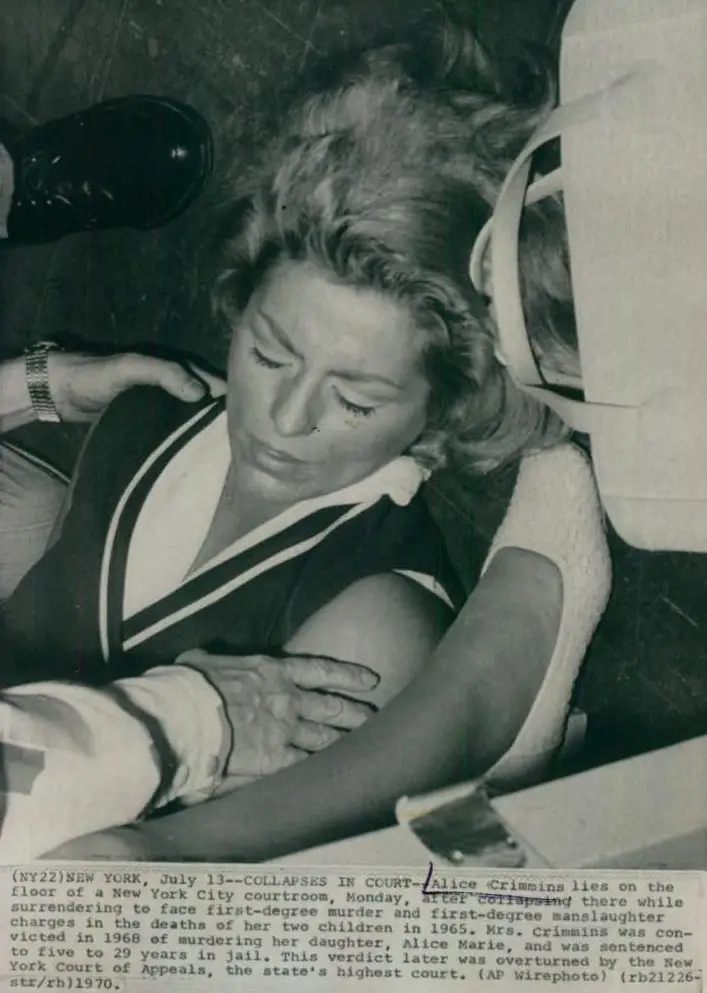
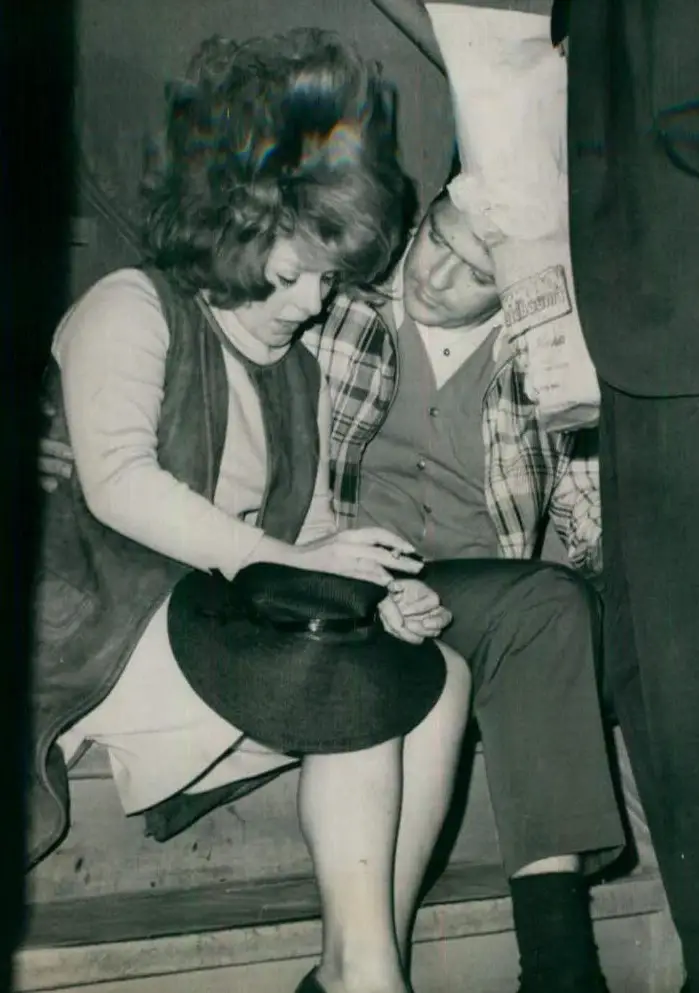
The case triggered a protracted legal battle. During her initial 1968 trial, she was convicted of manslaughter regarding her daughter's death, a verdict subsequently overturned on appeal. In a second trial in 1971, she was convicted of murder for her son and manslaughter for her daughter. The Appellate Division later reversed the son's murder conviction while upholding the manslaughter conviction in May 1975.
5. Psychiatric Evaluation and Aftermath
After serving a portion of her sentence and exhausting appeals, Alice Crimmins was released on parole in November 1977. She subsequently married long-time partner Anthony Grace and relocated to Florida. Despite her convictions, the deaths remain one of Queens' most debated legal mysteries, frequently analyzed in criminological literature regarding media bias and circumstantial prosecutions.