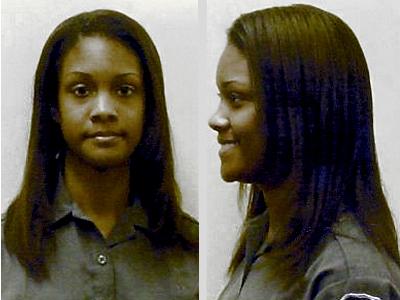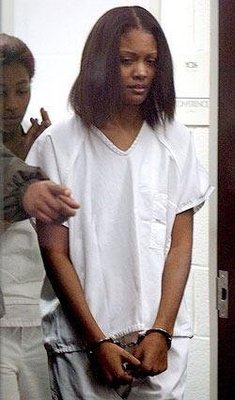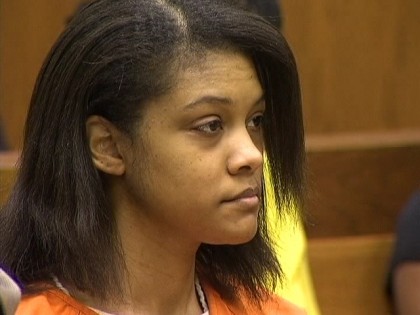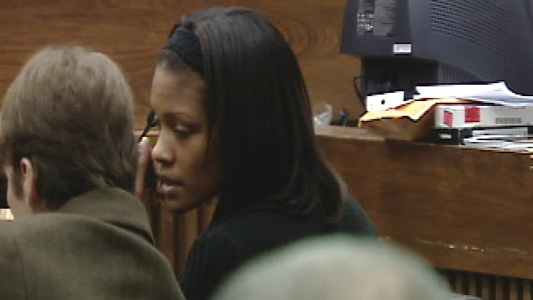




Forensic & Criminological Matrix
| Parameter | Forensic Detail |
|---|---|
| Forensic Heading / Aliases | Shannon Crawley |
| Legal Identity | Shannon Elizabeth Crawley |
| Confirmed Victims | 1 (Denita Monique Smith) |
| Active Timeline | January 4, 2007 (crime) / February 2010 (conviction) |
| Jurisdiction / Area of Operations | Durham, North Carolina, USA |
| Criminological Classification | Crime of passion / Jealousy-driven murderer |
| Forensic Modus Operandi | Stalking, execution-style firearm homicide, and subsequent fabrication of fake evidence to frame a third party |
| Weapon / Mechanism of Death | Firearm (contact/close-range gunshot to the back of the head) |
| Motive / Behavioral Dynamics | Extreme jealousy, romantic rivalry, and obsessive possessiveness |
| Judicial Outcome | Sentenced to life imprisonment without the possibility of parole on February 22, 2010 |
1. Background and Psychopathy
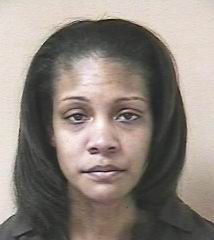
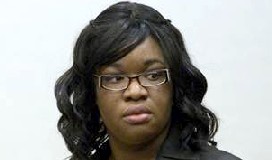
Shannon Elizabeth Crawley was born on June 12, 1979. At the time of her criminal acts, she worked as a 911 dispatcher for Guilford Metro in North Carolina. Her criminological profile exhibits a complex relational dynamic defined by extreme possessiveness and severe interpersonal conflict. Crawley maintained a clandestine romantic involvement with Jermeir Stroud, a Greensboro police officer who was simultaneously engaged to Denita Monique Smith, a graduate student at North Carolina Central University (NCCU). Crawley's inability to accept her rival's status triggered a pathological escalation of jealousy that ultimately resulted in targeted lethal violence.
2. Crime Spree
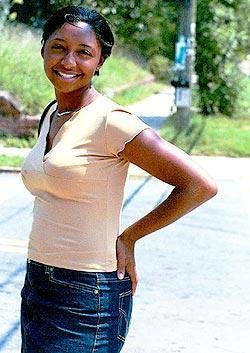
On January 4, 2007, 25-year-old Denita Monique Smith was shot and killed outside the Campus Crossing Apartments in Durham, North Carolina. Smith sustained a gunshot wound to the back of her head and fell down an exterior stairwell to the sidewalk, where her body was discovered by a maintenance worker. Forensic examination established that the shooting was not a random robbery, but an intentional assassination. Trial evidence proved that Crawley had systematically stalked Smith, lied about her whereabouts on the morning of the murder, concealed the prior purchase of a firearm, and falsely denied visiting the victim's apartment complex.
3. Investigation and Forensic Pursuit
The initial investigation was heavily complicated by Crawley's calculated fabrications and attempts to construct false alibis. In an effort to evade detection and shift criminal culpability, Crawley fabricated elaborate narratives over the years following the murder. She claimed that Stroud forced her to drive him to Durham and executed Smith himself. Furthermore, she generated fraudulent telephone recordings designed to simulate a confession by Stroud. However, meticulous cell phone data analysis, investigative interviews, and glaring inconsistencies in her statements allowed forensic investigators to dismantle her defense.
4. Arrest and Judicial Proceedings
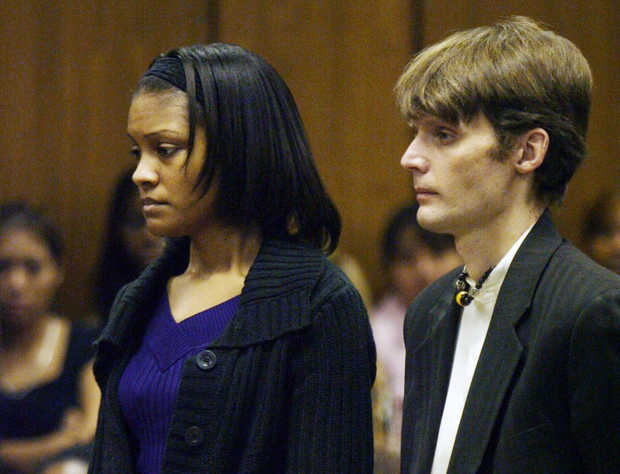
Crawley was arrested five days after the homicide. The high-profile trial commenced in February 2010 before Superior Court Judge Ronald Stephens in Durham County. The defense team, led by attorney Scott Holmes, vigorously challenged the prosecution's evidence and requested a mistrial after the jury reviewed audio recordings that had not been formally introduced during the main arguments; however, the judge denied the motion. On February 22, 2010, following approximately seven hours of deliberation, the 12-member jury found Crawley guilty of first-degree murder.
5. Psychiatric Evaluation and Aftermath
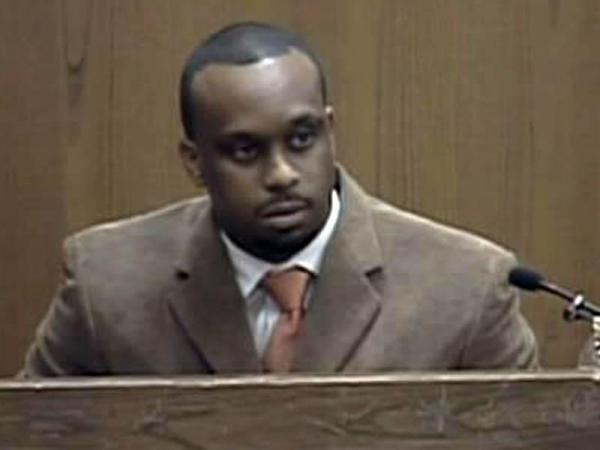
Throughout the trial, Crawley maintained her innocence, testifying that she feared Stroud and only complied with his demands to protect her children. Her family fiercely maintained her status as a secondary victim manipulated by Stroud, prompting emotional and hostile exchanges with the victim's grieving relatives inside the courtroom. Given the clear evidence of premeditation, calculated stalking, and malicious post-crime framing, Judge Ronald Stephens sentenced Crawley to life imprisonment without the possibility of parole. She remains incarcerated within the North Carolina correctional system.