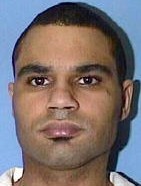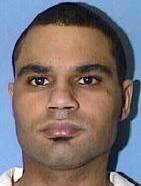
Forensic & Criminological Matrix
| Parameter | Forensic Detail |
|---|---|
| Forensic Heading / Aliases | Marcus Bridger Cotton |
| Legal Identity | Marcus Bridger Cotton |
| Confirmed Victims | 1 |
| Attributed / Indicted Victims | 1 |
| Active Timeline | 1996 |
| Jurisdiction / Area of Operations | Houston, Texas, USA |
| Criminological Classification | Armed Robber / Homicide Offender |
| Forensic Modus Operandi | Armed robbery in parking lots |
| Weapon / Mechanism of Death | .380-caliber semi-automatic pistol |
| Motive / Behavioral Dynamics | Robbery and execution of a judicial official |
| Judicial Outcome | Death penalty (executed) |
1. Background and Profile
Marcus Bridger Cotton had a significant criminal history prior to the 1996 murder, including convictions for cocaine possession and attempted murder in Harris County. His behavioral pattern indicated a progression toward lethal violence.
2. Criminal Career and Modus Operandi
On September 18, 1996, Cotton and accomplice Lawrence Watson targeted victims in a Houston parking lot. After robbing Gil Epstein and Sean Caruthers, Cotton forced Epstein into his car. Upon discovering Epstein's badge as an Assistant District Attorney, Cotton executed him to eliminate the witness.
3. Investigation and Arrest
Law enforcement relied on the testimony of the surviving victim, Sean Caruthers, and forensic evidence from the crime scene. Cotton was apprehended shortly after the incident.
4. Legal Proceedings and Outcome
Cotton was convicted of capital murder on November 12, 1997. The prosecution highlighted his prior criminal record and the calculated nature of the murder. He was executed by lethal injection on March 3, 2004.