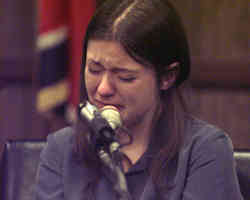



Forensic & Criminological Matrix
| Parameter | Forensic Detail |
|---|---|
| Forensic Heading / Aliases | Natasha Wallen Cornett |
| Legal Identity | Natasha Wallen Cornett (Daughter of Madonna Wallen and Roger Burgess) |
| Confirmed Victims | Vidar Lillelid (34), Delfina Lillelid (28), Tabitha Lillelid (6) |
| Active Timeline | April 6, 1997 |
| Jurisdiction / Area of Operations | Greene County, Tennessee, United States |
| Criminological Classification | Spree murder / Subcultural gang-related mass homicide (Lillelid Murders) |
| Forensic Modus Operandi | Highway rest stop carjacking, abduction to secondary isolated location, and execution by firearm |
| Weapon / Mechanism of Death | Firearm (handgun) |
| Motive / Behavioral Dynamics | Flight/robbery motivation, marginal self-identified Satanic subculture, emotional instability and youth abandonment |
| Judicial Outcome | Guilty plea via negotiated bargain; sentenced to three consecutive life terms without the possibility of parole on March 25, 1998 |
1. Background and Psychopathy
Natasha Wallen Cornett was born on January 26, 1979, in an impoverished rural area of eastern Kentucky. Raised by her single mother, Madonna Wallen, in a trailer on the outskirts of Pikeville, she was the offspring of an extramarital affair with local police officer Roger Burgess. Throughout her youth, Cornett suffered from social alienation and untreated mental health conditions, including anorexia and bipolar disorder, exacerbated by a lack of financial resources and health insurance. She dropped out of high school during her freshman year and married a childhood friend, Stephen Cornett, at age 17; the subsequent dissolution of the marriage left her emotionally devastated. As she entered late adolescence, Cornett embraced the Gothic subculture, abused drugs and alcohol, and practiced self-mutilation, gradually assuming the role of informal leader for a circle of disaffected youths.
2. Crime Spree
On April 6, 1997, Cornett and five other teenagers (Edward Dean Mullins, Joseph Lance Risner, Crystal R. Sturgill, Jason Blake Bryant, and Karen R. Howell), ranging in age from 14 to 20, set out from Pikeville with the intent of starting a new life in New Orleans. During their journey, they stopped at an interstate rest area in Tennessee, where they chanced upon the Lillelid family—Vidar Lillelid, his wife Delfina, and their children Tabitha and Peter, Jehovah's Witnesses of Norwegian and Honduran descent. The group carjacked the family at gunpoint, forcing them to drive to a remote secondary road in Greene County, Tennessee. At this isolated location, the parents and their six-year-old daughter were shot to death, while their two-year-old son Peter was left severely wounded in a ditch, surviving with permanent disabilities.
3. Police Investigation and Forensic Hunt
Following the executions, the perpetrators fled the scene in the victims' stolen van heading toward the southwestern border. The law enforcement response was swift and coordinated across state and federal jurisdictions. Merely two days after the murders, on April 8, 1997, U.S. Customs and Immigration officials intercepted Cornett and her five accomplices in Arizona as they attempted to cross into Mexico using the stolen vehicle. This rapid containment thwarted their international flight and secured critical physical evidence linking them directly to the quadruple crime.
4. Arrest and Judicial Proceedings
The judicial proceedings against the six defendants took place in Tennessee and concluded in March 1998. Confronted with overwhelming evidence and the looming threat of the death penalty, Natasha Cornett's defense counsel negotiated a plea bargain. In February 1998, Cornett pleaded guilty to all charges, including felony murder and aggravated kidnapping, thereby avoiding capital punishment. On March 25, 1998, a Tennessee court formally sentenced her to three consecutive life terms without the possibility of parole. Although she subsequently filed various legal petitions and appeals to overturn her guilty pleas—arguing she did not directly pull the trigger—courts consistently upheld the convictions.
5. Psychiatric Evaluation and Outcome
During court testimony, evidence established that while Cornett functioned as the charismatic focal point and informal leader of the delinquent group, she was not the primary gunman who executed the victims (with the youngest defendant, Jason Bryant, identified as the primary shooter). Her clinical profile reflected severe immaturity, untreated affective pathology, and deep immersion in nihilistic subcultural dynamics. Confined at the Tennessee Prison For Women in Nashville, Cornett earned her GED, attained vocational certifications, and engaged in peer mentoring. Nevertheless, her ongoing legal challenges seeking a new trial have been repeatedly denied, maintaining her strict sentence of life imprisonment without parole.