




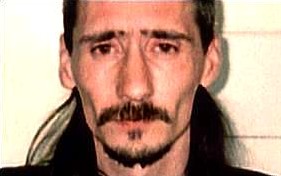
Colin Pitchfork: «The Narborough Murderer», Sir Alec Jeffreys' Scientific Breakthrough, and the World's First DNA Murder Conviction
Executive Summary
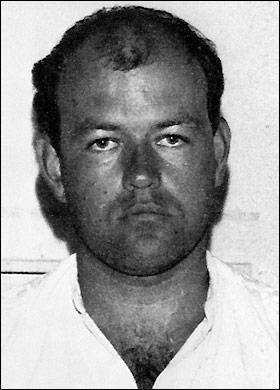
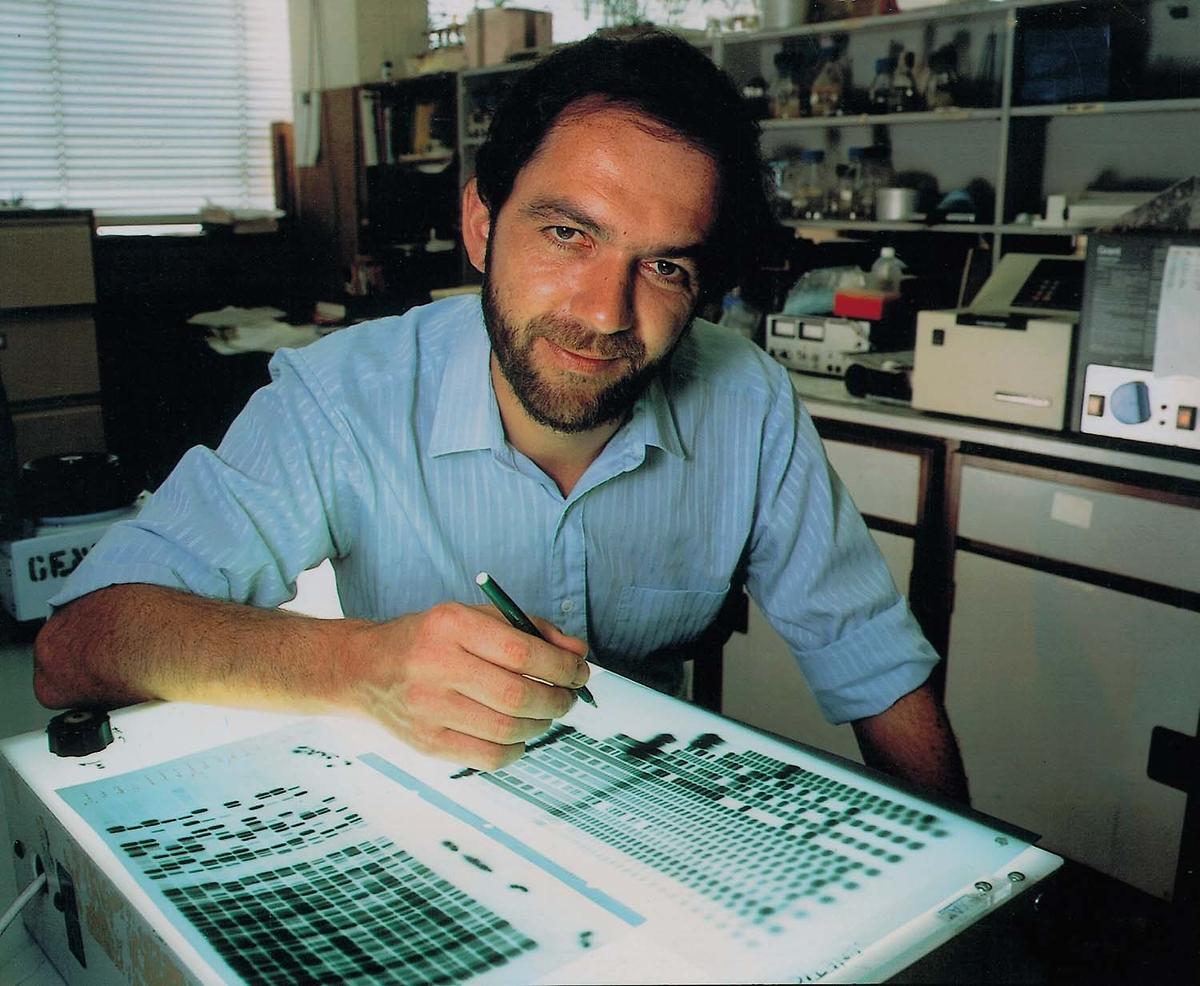
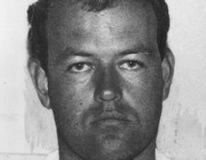
Colin Pitchfork (born March 23, 1960), a British master baker from Bristol, occupies an unparalleled, foundational position in the history of international forensic science, criminal jurisprudence, and molecular biology: he was the first murderer and rapist in world history to be identified, apprehended, and convicted through forensic DNA fingerprinting, a groundbreaking scientific methodology developed in 1984 by British geneticist Sir Alec Jeffreys at the University of Leicester.
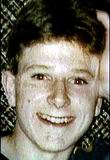
Between November 1983 and July 1986, Pitchfork terrorized the semi-rural villages of Leicestershire, England, by stalking, brutally raping, and strangling two fifteen-year-old schoolgirls: Lynda Mann, discovered dead on a deserted footpath in Narborough known as The Black Pad, and Dawn Ashworth, sexually assaulted and asphyxiated with her own garments in nearby Enderby woodland. In 1986, local police arrested a seventeen-year-old hospital porter with mild intellectual disability, Richard Buckland, who under grueling, repetitive interrogation confessed to Ashworth's murder; however, when semen samples from both murder scenes were submitted to Dr. Jeffreys' laboratory, DNA profiling unequivocally proved that a single unknown perpetrator had murdered both girls and that Buckland was biologically excluded, making Buckland simultaneously the first person in world history to be exonerated by DNA evidence.
To capture the true killer, the Leicestershire Constabulary launched the world's first mass DNA genetic screening, collecting blood and saliva from over 5,500 adult males residing in the target postal districts. Pitchfork sought to evade the scientific dragnet by bribing a nineteen-year-old bakery co-worker, Ian Kelly, paying him £200 to impersonate him at the blood clinic using a forged passport. The fraudulent substitution was exposed in September 1987 when Kelly boasted about the deed in a local pub; arrested immediately, Pitchfork's actual DNA matched the crime scene semen profiles with statistical certainty. Convicted at Leicester Crown Court in 1988 and sentenced to life imprisonment, Pitchfork's case revolutionized global criminalistics and paved the way for modern national DNA intelligence databases.
Technical Forensic Matrix
| Parameter | Forensic Specification |
|---|---|
| Legal Identity | Colin Pitchfork |
| Public Recognized Name | Colin Pitchfork |
| Criminological Aliases | «The Narborough Murderer» / «The Enderby Predator» |
| Date of Birth | March 23, 1960 (Bristol, England, United Kingdom) |
| Current Legal Status | Incarcerated (Life Imprisonment); parole revoked following compliance violations |
| Criminological Classification | Organized sadistic serial rapist and strangler / Territorial offender |
| Confirmed Murder Victims | 2 teenage schoolgirls (Lynda Mann, 15; and Dawn Ashworth, 15) |
| Historic Forensic Milestone | First murderer in world history convicted via DNA profiling; first suspect exonerated via DNA |
| Key Scientific Expert | Sir Alec Jeffreys (Department of Genetics, University of Leicester) |
| Primary Modus Operandi | Stalking isolated rural bridleways; physical restraint, sexual assault, and ligature/manual strangulation |
| Wounding Mechanics | Severe perineal trauma and fatal cerebral hypoxia via ligature strangulation using victims' clothing |
| Geographic Scenes | The Black Pad footpath (Narborough) and Ten Pound Lane woods (Enderby, Leicestershire, UK) |
| Presiding Judicial Body | Leicester Crown Court, Mr. Justice Henry Russell presiding |
| Judicial Sentence | Life imprisonment with a 30-year minimum tariff (later reduced to 28 years on appeal) |
| Current Custodial Authority | HM Prison Service (United Kingdom) |
Compulsive Exhibitionism and Behavioral Escalation (1960–1983)
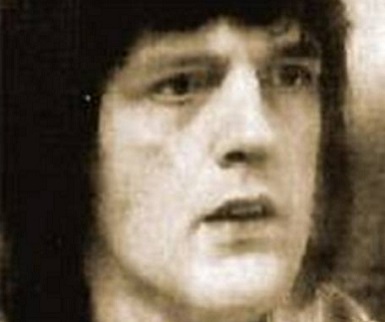
Colin Pitchfork grew up in Newbold Verdon, Leicestershire. Despite possessing normal intelligence and considerable artisan talent as a specialty sculptor and confectioner, he exhibited a severe paraphilic compulsive disorder from age twelve centered on genital exhibitionism and the degradation of females:
- Throughout his late adolescence and early twenties, Pitchfork accumulated over one thousand unprosecuted flashing incidents across local villages, masturbating in doorways and alleys in front of lone girls.
- In 1978, he was arrested for indecent exposure and referred to Carlton Hayes Hospital for psychological aversion therapy, which he quickly abandoned.
- Married with two young children, he worked as a master baker at Hampshires Bakery in Littlethorpe; co-workers viewed him as gregarious yet pathologically obsessed with graphic sexual chatter and misogynistic humor.
The Murders of Lynda Mann and Dawn Ashworth (1983–1986)
Pitchfork's escalation from predatory exhibitionism to lethal sexual assault culminated in two calculated attacks within a two-mile radius:
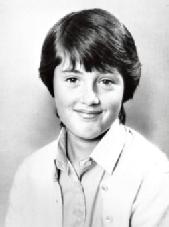
- Lynda Mann (November 21, 1983, Narborough): A fifteen-year-old girl walking home along the unlit footpath known as The Black Pad. Pitchfork ambushed her, dragged her into an open field, stripped her from the waist down, raped her, and strangled her to death with her own wool scarf. Her frozen body was discovered the following morning.
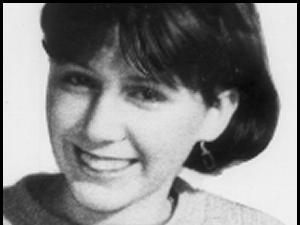
- Dawn Ashworth (July 31, 1986, Enderby): A fifteen-year-old girl taking a wooded shortcut along Ten Pound Lane. Pitchfork confronted her, battered her facial bones to overcome physical resistance, subjected her to prolonged sexual violation, and suffocated her with her own brassiere and jacket, concealing her remains beneath brambles.
In both homicides, Home Office pathologist Dr. Peter Acland recovered high-volume seminal fluid. Conventional serological typing revealed the donor had Group A blood and secreted blood-group antigens in body fluids, narrowing the suspect pool to roughly 10% of British males.
Buckland's False Confession and Sir Alec Jeffreys' Discovery
In August 1986, police detained Richard Buckland, a seventeen-year-old hospital cleaner with mild cognitive deficits who had been observed acting suspiciously near the Ashworth crime scene. Under intense, unrecorded interrogation, Buckland broke down and signed a detailed confession admitting to Ashworth's murder, while adamantly maintaining he had no involvement in the earlier Mann homicide:
- Determined to link Buckland to both slayings to secure a double murder conviction, the Leicestershire Constabulary contacted Dr. Alec Jeffreys at the University of Leicester, who in 1984 had discovered that hypervariable DNA minisatellites produce an individual-specific genetic profile.
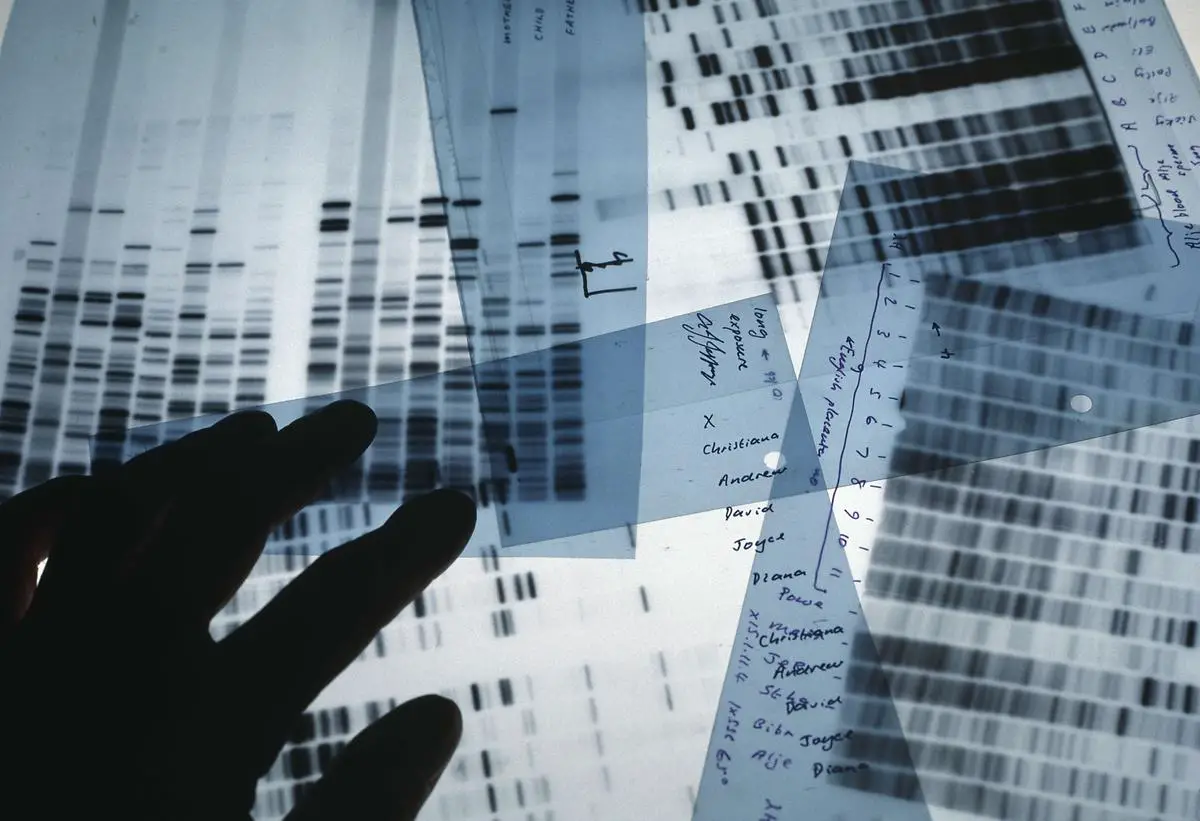
- Jeffreys extracted DNA from the preserved semen samples recovered from both girls and compared them against Buckland's blood:
- Result 1: The multi-locus autoradiograph bands from the Lynda Mann and Dawn Ashworth crime scene swabs were completely identical, confirming beyond doubt that a single serial predator had murdered both victims.
- Result 2: The semen profiles did not match Richard Buckland.
- Confronted with indisputable biological evidence, the prosecution formally withdrew all murder charges. Science had for the first time in history liberated an innocent man from wrongful life imprisonment.
The World's First Mass Genetic Dragnet and the Kelly Substitution
Recognizing that the killer remained at large and lived locally, Detective Chief Superintendent David Baker instituted an unprecedented investigative operation: requesting blood and saliva samples from every male resident aged 17 to 34 in Narborough, Enderby, and Littlethorpe:
- More than 5,500 men voluntarily reported to testing centers, their samples cross-referenced through blood typing and DNA verification.
- Pitchfork knew his biological sample would seal his fate. In mid-1987, he coerced a nineteen-year-old junior baker, Ian Kelly, into taking the test on his behalf for £200, fabricating a story that he had previously given blood and feared police harassment over past indecent exposure convictions. Kelly agreed, affixing his photo to Pitchfork's passport and providing the biological sample.
- The deception held until August 1, 1987, when Kelly drank heavily at the Clarendon pub in Leicester and bragged openly to workmates that he had «given his blood for Colin Pitchfork».
- A female bakery co-worker, Joyce Eastwood, wrestled with her conscience for several weeks before walking into a police station on September 16, 1987, to report the conversation.
Arrest, Definitive DNA Match, and Historic Crown Court Sentencing
On September 19, 1987, homicide detectives arrested Colin Pitchfork at his home in Enderby:
- A genuine blood sample was drawn under police custody and expedited to Dr. Jeffreys' university laboratory. The genetic profile from Pitchfork's blood matched the semen recovered from Lynda Mann and Dawn Ashworth with absolute precision, with the mathematical odds of an accidental match estimated at one in several tens of billions.
- Presented with the overwhelming scientific evidence, Pitchfork broke down, confessed in exhaustive detail to the murders of both schoolgirls, and admitted to dozens of previously unsolved sexual assaults.
- On January 22, 1988, at Leicester Crown Court before Mr. Justice Henry Russell, Pitchfork pleaded guilty to two counts of murder, two counts of rape, two counts of indecent assault, and one count of conspiracy to pervert the course of justice. He was sentenced to life imprisonment with a mandatory minimum tariff of thirty years. Accomplice Ian Kelly received an eighteen-month suspended prison term.
Forensic Legacy and Modern Penal Controversy
The prosecution of Colin Pitchfork permanently transformed criminal justice worldwide:
- It established the universal judicial precedent for DNA admissibility in courts of law globally and catalyzed the establishment in 1995 of the UK National DNA Database (NDNAD), the world's first computerized genetic database.
- In 2009, the High Court reduced Pitchfork's minimum tariff to 28 years in light of his apparent reform and work developing specialized transcribing software for blind inmates.
- In September 2021, the Parole Board granted him a contentious conditional release. However, just two months later in November 2021, Pitchfork was summarily recalled to closed prison custody after violating license conditions by approaching young women unprompted during unmonitored walks, where he remains detained in a high-security institution.