



Forensic & Criminological Matrix
| Parameter | Forensic Detail |
|---|---|
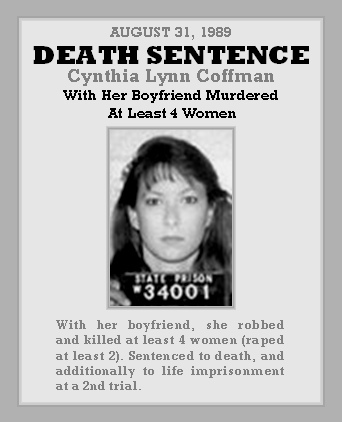
| Forensic Heading / Aliases | Cynthia Coffman |
| Legal Identity | Cynthia Lynn Coffman |
| Confirmed Victims | 4 (Sandra Neary, Pamela Simmons, Corinna Novis, Lynel Murray) |
| Active Timeline | October - November 1986 |
| Jurisdiction / Area of Operations | California and Arizona, USA |
| Criminological Classification | Itinerant serial killer (in co-perpetration with James Gregory Marlow) |
| Forensic Modus Operandi | Abduction at ATMs or shopping areas, robbery, sexual assault, and strangulation |
| Weapon / Mechanism of Death | Ligature strangulation / Mechanical asphyxiation |
| Motive / Behavioral Dynamics | Itinerant criminality, partner coercion, economic acquisition, and sadistic deviance |
| Judicial Outcome | Death sentence (San Bernardino County, 1989); additional life without parole sentence |
1. Background and Psychopathy
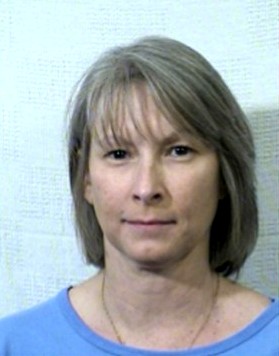
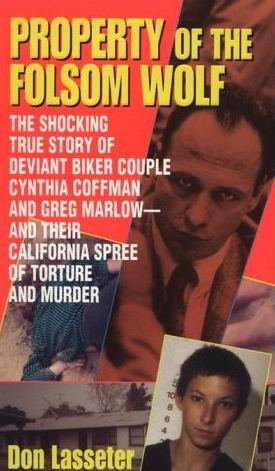
Cynthia Lynn Coffman was born on January 19, 1962, in St. Louis, Missouri, into a middle-class family with strict Catholic values. Raised under rigid moral expectations, her youth was disrupted when she became pregnant at age seventeen. Facing strong family opposition to abortion, she was forced into an affectionless marriage marked by five years of abusive domestic captivity and isolation. Seeking to escape this oppressive environment, she fled westward, eventually settling in Page, Arizona, where she worked as a diner waitress and entered a new cohabitating relationship.
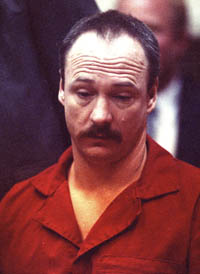
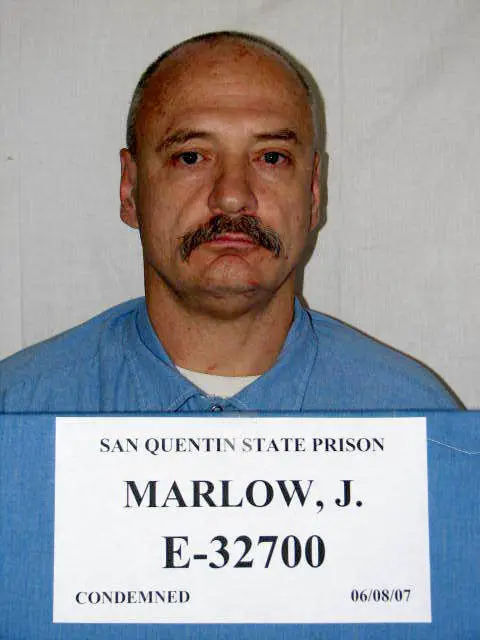
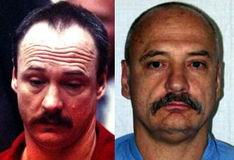
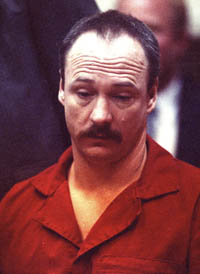
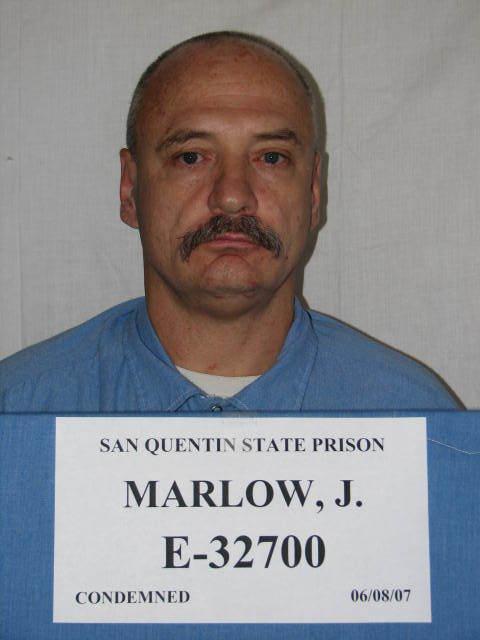
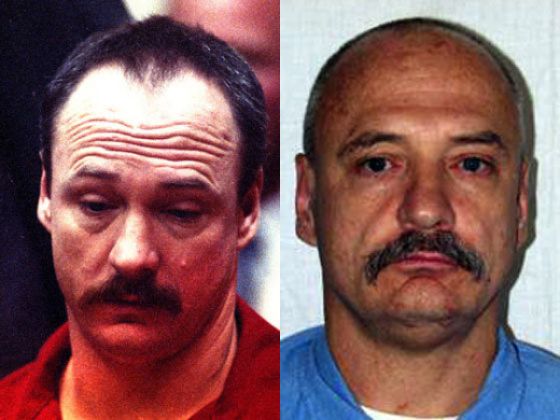
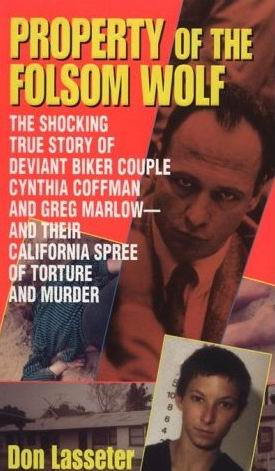
In the spring of 1986, following numerous domestic disturbances and local arrests for weapons and drug possession, her boyfriend was briefly jailed in San Bernardino County, California. During a prison visit, Cynthia encountered James Gregory Marlow, a recidivist felon known within the correctional system as 'The Folsom Wolf' and associated with the Aryan Brotherhood. An intense, destructive mutual dependency rapidly developed between them, fundamentally redirecting Coffman's life toward violent criminality.
2. Crime Spree
Following Marlow's release in June 1986, the couple embarked on an erratic transcontinental journey across the southern and western United States, subsisting on petty thefts, burglaries of relatives' homes, and armed residential invasions in Kentucky and Tennessee. After a symbolic marriage ceremony, they drifted back toward California and Arizona in the early autumn of 1986 with the deliberate intent of targeting vulnerable individuals for rapid financial gain through express kidnappings.
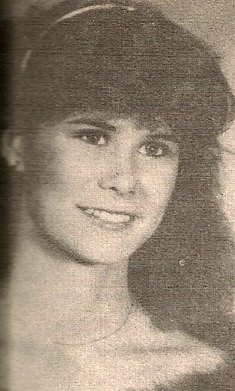
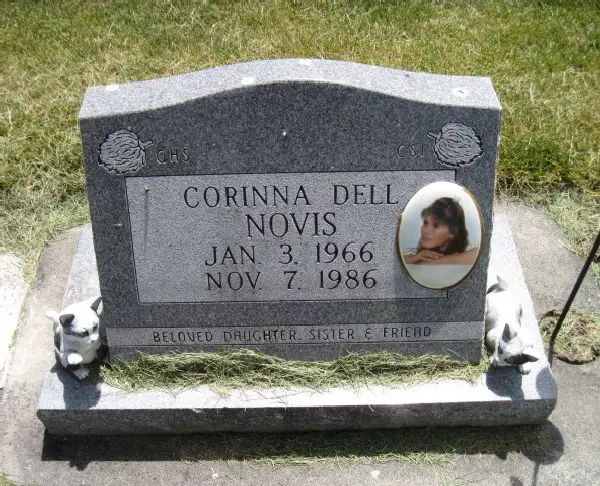
Their modus operandi involved intercepting young women in everyday public settings—such as automated teller machines, shopping centers, or workplaces—subduing them under threat, robbing them of their vehicles, cash, and bank cards, and subsequently subjecting them to sexual assault and fatal strangulation. The confirmed victims were Sandra Neary (32), Pamela Simmons (35), Corinna Novis (20), and Lynel Murray (19), whose bodies were abandoned in remote rural areas, shallow graves, or transient motel rooms.
3. Investigation and Forensic Pursuit
The investigation accelerated sharply in November 1986 due to the recovery of key evidentiary items discarded by the perpetrators. Corinna Novis's checkbook was discovered in a commercial dumpster alongside fast-food packaging containing documents bearing the names of Coffman and Marlow. Concurrently, detectives uncovered motel stationary in San Bernardino featuring practice signatures mimicking Lynel Murray's name.
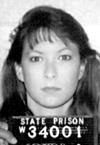
Armed with these clues and Marlow's extensive criminal background, law enforcement issued a statewide bulletin. On November 14, 1986, the proprietor of a mountain lodge in Big Bear City reported the presence of the suspects. A 100-man law enforcement posse surrounded the area, successfully locating and arresting both suspects without resistance as they walked along a mountain road, wearing clothing stolen from the dry-cleaning shop where Lynel Murray was employed.
4. Trial and Judicial Disposition
Following her apprehension, Cynthia Coffman cooperated partially with authorities, directing investigators to a shallow clandestine grave inside a Fontana vineyard containing the remains of Corinna Novis. Both defendants were formally charged with kidnapping, robbery, and murder, subsequently adopting mutually antagonistic defense strategies in which each blamed the other for the actual homicides.
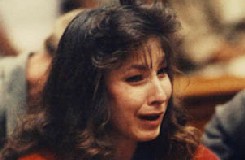
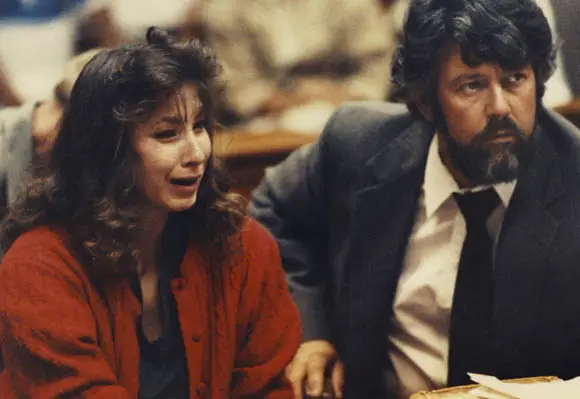
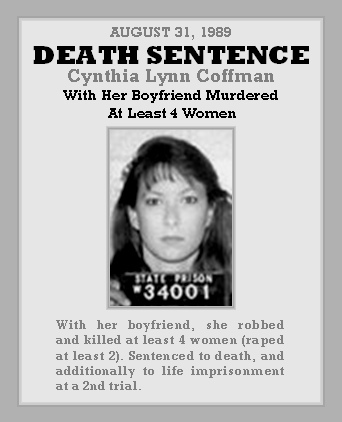
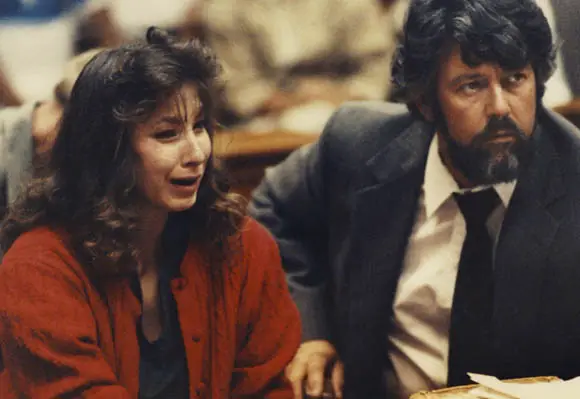
The capital murder trial opened in the San Bernardino County Superior Court in July 1989. On August 30, 1989, the jury returned guilty verdicts across all counts, and the presiding judge sentenced both defendants to death. This ruling marked a significant legal milestone, making Coffman the first woman sentenced to death in California since the state reinstated capital punishment in 1977. In 1992, following a subsequent trial, she was convicted of Lynel Murray's murder and received an additional sentence of life imprisonment without the possibility of parole.
5. Psychiatric Assessment and Aftermath
Psychological and psychiatric evaluations presented during trial proceedings highlighted the profound emotional and psychological dependency Coffman exhibited toward James Marlow, whom defense counsel portrayed as a sociopath who coerced and physically battered her into participating in the offenses. Nevertheless, courts determined that overwhelming forensic and circumstantial evidence established her active, voluntary participation in the abductions and killings.
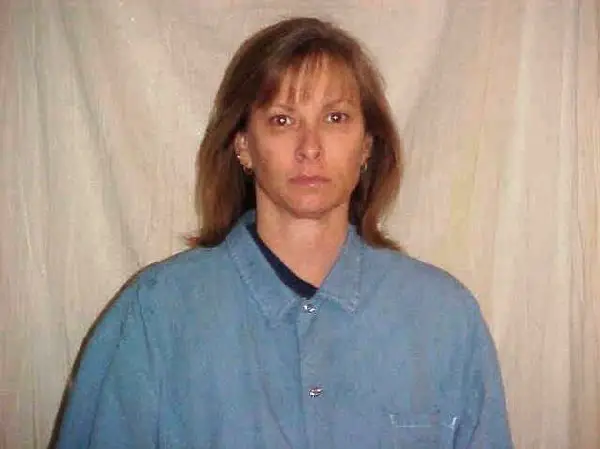
Over the subsequent decades, appellate challenges filed by her legal representation before the California Supreme Court and federal jurisdictions were systematically denied, affirming both her legal culpability and the validity of her sentences, thereby securing her indefinite confinement within California's penal system.