Forensic & Criminological Matrix
| Parameter | Forensic Detail |
|---|---|
| Forensic Heading / Aliases | Wilbert Coffin |
| Legal Identity | Wilbert Coffin |
| Confirmed Victims | 1 (convicted on one count) |
| Attributed / Indicted Victims | 3 |
| Active Timeline | 1953 |
| Jurisdiction / Area of Operations | Gaspé, Quebec, Canada |
| Criminological Classification | Homicide (Controversial case) |
| Forensic Modus Operandi | Ambush in wilderness and robbery |
| Weapon / Mechanism of Death | Firearm (alleged) |
| Motive / Behavioral Dynamics | Robbery |
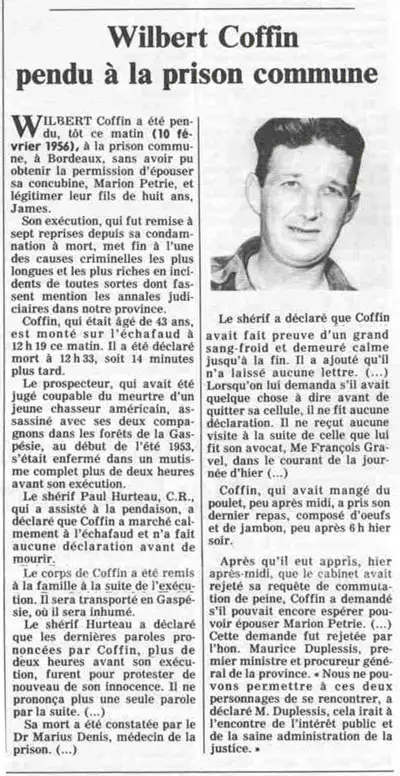
| Judicial Outcome | Executed by hanging |
1. Background and Profile
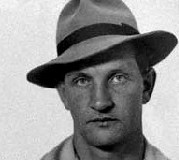
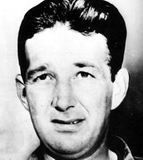
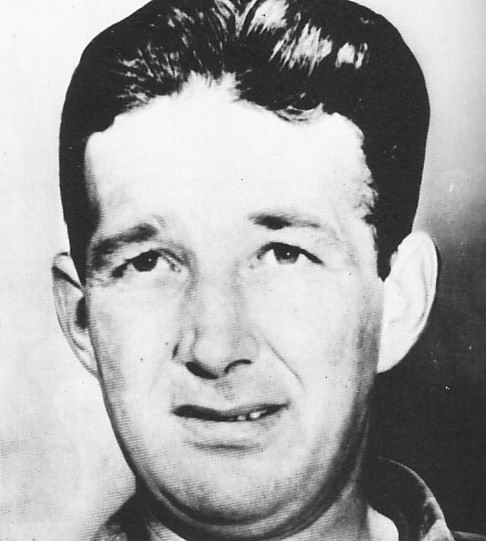
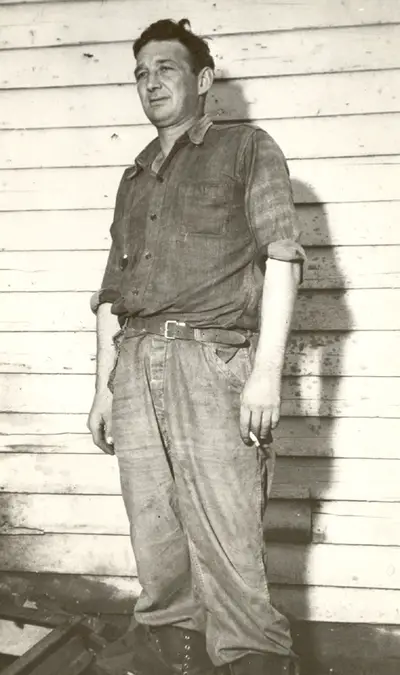
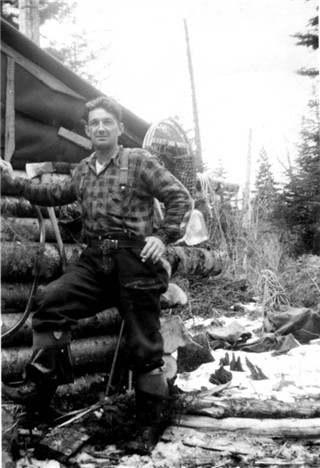
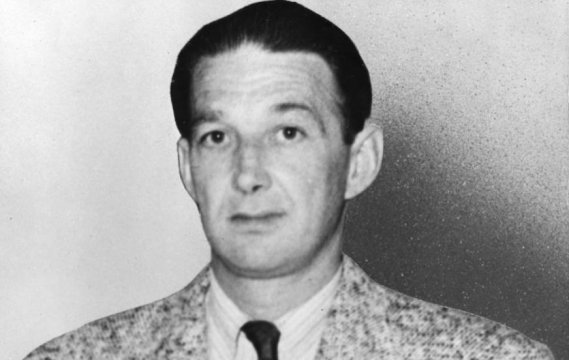
Wilbert Coffin was a mining prospector and woodsman from the Gaspé region. His case remains a landmark in Canadian legal history, often cited regarding the potential for judicial error in capital cases.
2. Criminal Career and Modus Operandi
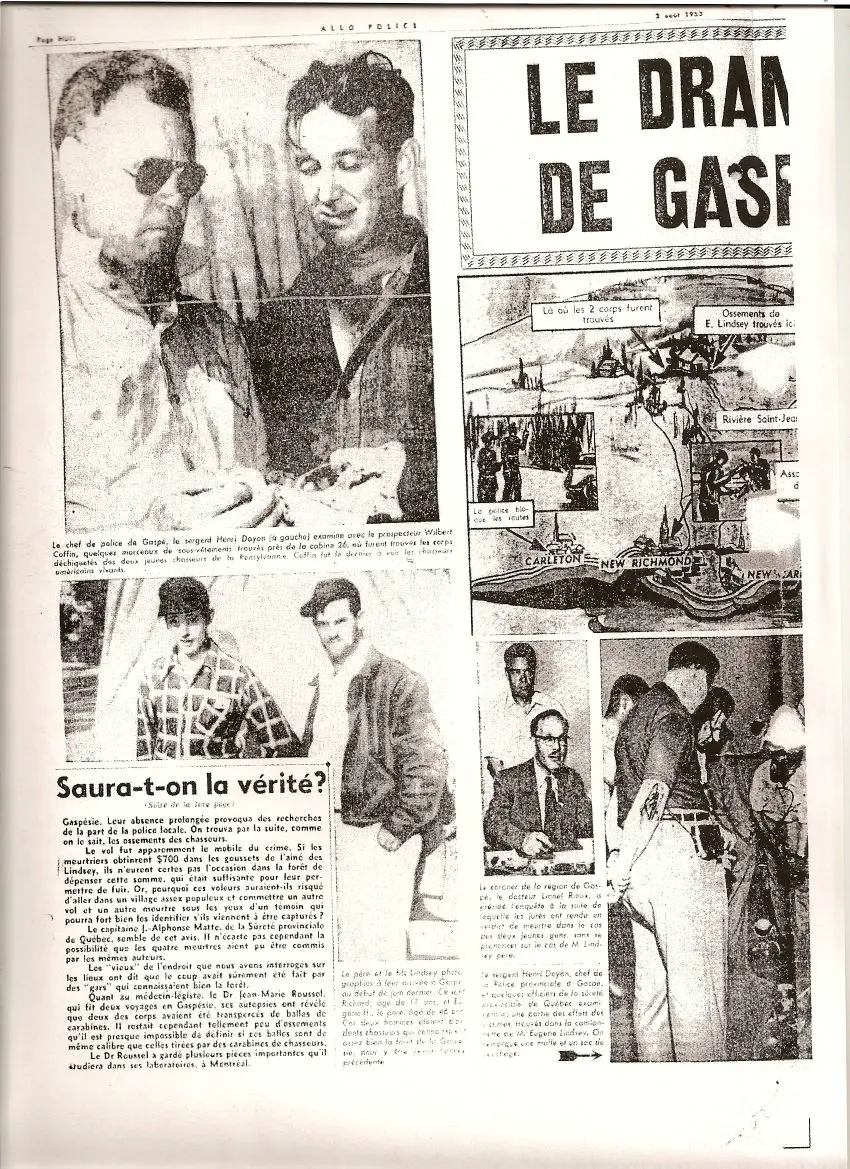
In 1953, three American hunters went missing in the Gaspé forest. Their bodies were later discovered. Coffin was identified as the last person to see them alive and was found in possession of their belongings, leading to his indictment for the murders.
3. Investigation and Arrest
The investigation was heavily reliant on circumstantial evidence. The political climate of the time, influenced by the need to protect the lucrative American tourism industry in Quebec, has been criticized by legal experts as a potential factor in the prosecution's aggressive stance.
4. Legal Proceedings and Outcome
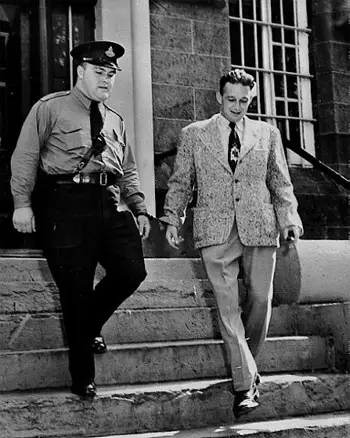
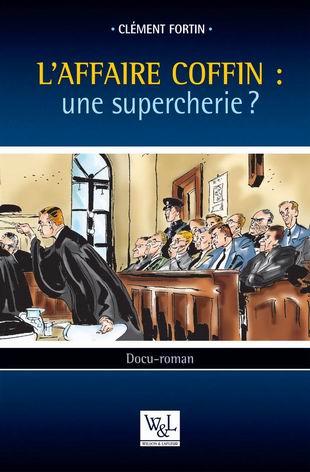
Coffin was convicted in 1954. Despite multiple appeals and international attention, he was executed at Bordeaux Prison on February 10, 1956. Subsequent investigations and books by journalist Jacques Hébert fueled long-standing doubts about his guilt.