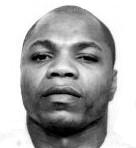
Forensic & Criminological Matrix
| Parameter | Forensic Detail |
|---|---|
| Forensic Heading / Aliases | Timothy Cockrell |
| Legal Identity | Timothy Cockrell |
| Confirmed Victims | 1 |
| Attributed / Indicted Victims | 1 |
| Active Timeline | 1992 |
| Jurisdiction / Area of Operations | San Antonio, Texas, USA |
| Criminological Classification | Predatory offender |
| Forensic Modus Operandi | Home invasion, strangulation, and robbery |
| Weapon / Mechanism of Death | Manual strangulation and ligatures |
| Motive / Behavioral Dynamics | Financial gain to support cocaine addiction |
| Judicial Outcome | Death sentence (appeals exhausted) |
1. Background and Profile
Born in 1963, Timothy Cockrell had a significant criminal record prior to the 1992 murder, including 13 first-degree felony convictions. His trial focused heavily on his cognitive abilities, with defense experts claiming severe intellectual disability, which was countered by prosecution evidence showing average-range IQ scores from previous incarcerations.
2. Crime Spree
On August 9, 1992, Sandra Deptawa was found strangled in her bathtub. Cockrell, who had helped her move into the home days earlier, returned to the property under the guise of making repairs. He confessed to robbing the victim to fund a $600-a-day cocaine habit.
3. Investigation and Arrest
Police identified Cockrell after finding the victim's car in a housing project. Witness statements placed Cockrell in possession of the vehicle, leading to his arrest. He provided a full confession to Detective George Saidler after being read his Miranda rights.
4. Legal Proceedings and Outcome
Cockrell was convicted of capital murder in 1993 and sentenced to death. His subsequent federal habeas corpus petitions, alleging ineffective assistance of counsel and lack of mental capacity, were denied by the courts, including a 2004 ruling by the Fifth Circuit Court of Appeals.