Forensic & Criminological Matrix
| Parameter | Forensic Detail |
|---|---|
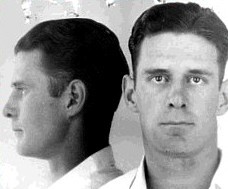
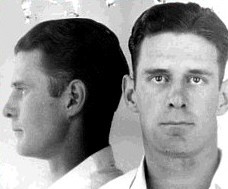
| Forensic Heading / Aliases | Roland Cochrane / Jerry, Chas. E. Stevens |
| Legal Identity | Roland H. Cochrane |
| Confirmed Victims | 1 |
| Attributed / Indicted Victims | 1 |
| Active Timeline | 1935 |
| Jurisdiction / Area of Operations | Phoenix, Arizona |
| Criminological Classification | Robber / Murderer |
| Forensic Modus Operandi | Armed hijacking of poker games |
| Weapon / Mechanism of Death | Firearm (pistol) |
| Motive / Behavioral Dynamics | Financial gain |
| Judicial Outcome | Death penalty (lethal gas) |
1. Background and Profile
Born in New York City in 1908, Roland H. Cochrane had a prior criminal record for robbery in California. He was a former stenographer and had a brief history of military service before relocating to Arizona.
2. Criminal Career and Modus Operandi
Cochrane operated as an enforcer for a group of gamblers. On January 2, 1935, he attempted to rob Richard Giles. When Giles attempted to discard his wallet to prevent the theft, Cochrane shot him in the neck, resulting in immediate fatality.
3. Investigation and Arrest
Following the murder, police apprehended Cochrane, who provided a full confession implicating his associates, Otis Phillips and Horace Hunter. The recovery of the murder weapon, which had been hidden in an auto camp, provided critical forensic evidence.
4. Legal Proceedings and Outcome
Cochrane was convicted of first-degree murder in February 1935. While his accomplices negotiated plea deals in exchange for testimony, Cochrane received the death penalty and was executed in 1936.