Forensic & Criminological Matrix
| Parameter | Forensic Detail |
|---|---|
| Forensic Heading / Aliases | Sarah Clark / Sally Clark |
| Legal Identity | Sarah Clark |
| Confirmed Victims | 2 (John Carothers and Mary Carothers) |
| Active Timeline | Autumn 1797 – February 1798 |
| Jurisdiction / Area of Operations | Cumberland County, Pennsylvania, USA |
| Criminological Classification | Poisoner / Passion-driven homicide |
| Forensic Modus Operandi | Clandestine acquisition of toxic substances (arsenic) and introduction into shared household food staples |
| Weapon / Mechanism of Death | Arsenic (white and yellow) dissolved in family bread leaven |
| Motive / Behavioral Dynamics | Extreme jealousy and infatuation with a rival's suitor |
| Judicial Outcome | Convicted of first-degree murder and sentenced to death by hanging; executed on October 30, 1799 |
1. Background and Profile
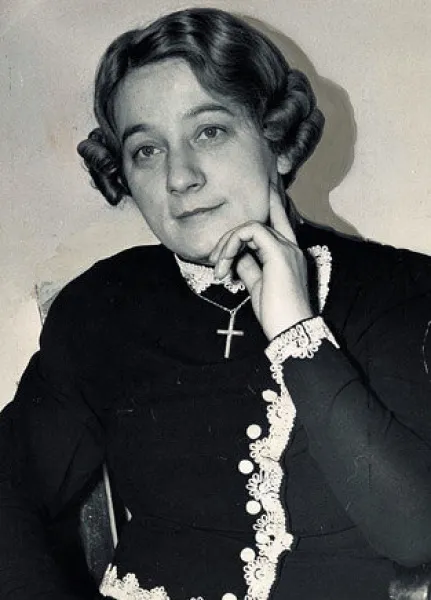
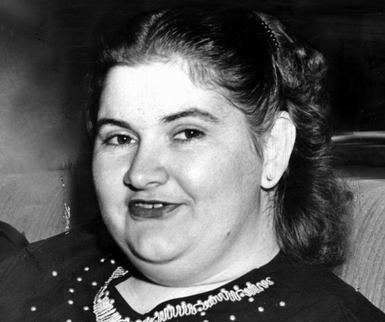
Sarah Clark, commonly known as Sally, was born around 1766 near Carlisle, Pennsylvania. Working as a domestic servant in local households during her youth, she formed an intense, unrequited attachment to the son of her employer, John Douglas. However, the young Douglas was courting Miss Ann Carothers, daughter of prominent landowners John and Mary Carothers of East Pennsboro Township. This rejection ignited a pathological jealousy that served as the psychological catalyst for her criminal trajectory.
2. Crime Spree and Modus Operandi
Consumed by infatuation and fixated on eliminating her romantic rival, Clark shifted employment to the Carothers household. In the autumn of 1797, she purchased an ounce of white arsenic from Dr. Gustine. Unable to isolate Ann for targeted administration, Clark desperation-driven mixed the poison into a crock of leaven used for baking bread.
On February 26, 1798, the household consumed the contaminated bread, resulting in acute toxic poisoning. Captain John Carothers died that day, and his wife Mary succumbed on June 3, 1798. Intended target Ann Carothers survived, while her brother Andrew suffered permanent physical disability. Investigations later revealed Clark had attempted a secondary poisoning using yellow arsenic.
3. Investigation and Arrest
The cluster of sudden deaths within a respected family triggered a prompt judicial inquiry. On June 12, 1798, Clark was incarcerated in the Cumberland County jail. Under interrogation by Justice of the Peace James McCormick, she confessed to purchasing the toxins and outlined her methods.
4. Legal Proceedings and Outcome
Clark was tried during the October session of the Court of Oyer and Terminer, presided over by Judge James Riddle. Convicted of first-degree murder in the death of John Carothers, she was sentenced to death on August 5, 1799. On October 30, 1799, she was executed by hanging on the commons east of Carlisle, marking a notable early American case of homicidal poisoning.