Forensic & Criminological Matrix
| Parameter | Forensic Detail |
|---|---|
| Forensic Heading / Aliases | The Cross-Dressing Cannibal |
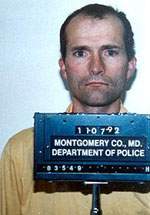
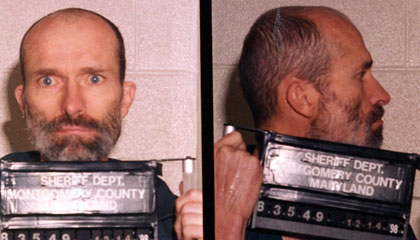
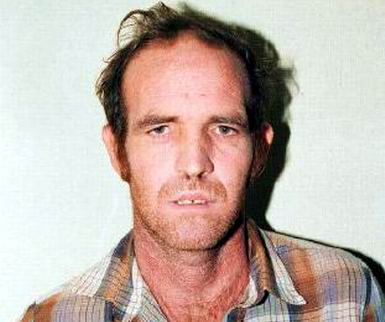
| Legal Identity | Hadden Irving Clark |
| Confirmed Victims | 2 |
| Attributed / Indicted Victims | 12 |
| Active Timeline | 1986 - 1992 |
| Jurisdiction / Area of Operations | Maryland, USA |
| Criminological Classification | Serial Killer |
| Forensic Modus Operandi | Stabbing, cannibalism, and fetishism |
| Weapon / Mechanism of Death | Knife |
| Motive / Behavioral Dynamics | Paranoid schizophrenia, sadism |
| Judicial Outcome | Life imprisonment |
1. Background and Profile
Hadden Irving Clark grew up in a dysfunctional, affluent family. His mother's habit of dressing him in female clothing contributed to his lifelong gender identity issues and fetishism. After a medical discharge from the Navy due to paranoid schizophrenia, he drifted through various jobs, often living as a transient.
2. Criminal Career and Modus Operandi
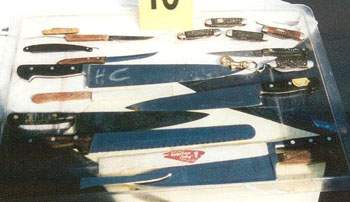
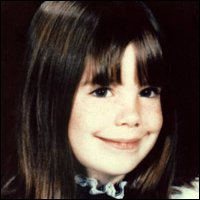
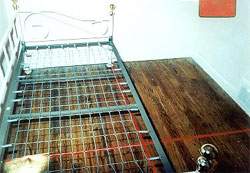
Clark's criminal career involved the brutal murder of 6-year-old Michelle Dorr in 1986 and 23-year-old Laura Houghteling in 1992. He frequently engaged in post-mortem cannibalism and displayed a compulsion to collect trophies from his victims.
3. Investigation and Arrest
Police identified Clark as a suspect in the Houghteling case after finding forensic evidence at the crime scene. His confession to the Dorr murder was secured years later, aided by advancements in mitochondrial DNA analysis.
4. Legal Proceedings and Outcome
Clark pleaded guilty to second-degree murder in 1993. Following his 1999 conviction for the Dorr murder, he received additional sentencing, effectively ensuring he remains incarcerated for the remainder of his life.
5. Psychiatric Evaluation and Conclusion
Clark's history of paranoid schizophrenia and his tendency to provide unreliable, grandiose confessions regarding other unsolved murders have made him a complex subject for forensic psychologists and law enforcement.