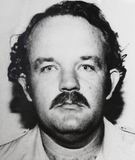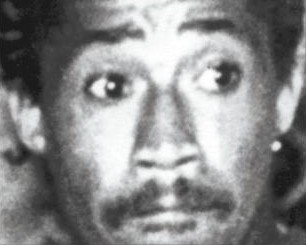
Forensic & Criminological Matrix
| Parameter | Forensic Detail |
|---|---|
| Forensic Heading / Aliases | N/A |
| Legal Identity | Earl Clanton Jr. |
| Confirmed Victims | 2 |
| Attributed / Indicted Victims | 2 |
| Active Timeline | 1972 - 1980 |
| Jurisdiction / Area of Operations | New Jersey, Virginia (USA) |
| Criminological Classification | Recidivist violent offender |
| Forensic Modus Operandi | Strangulation and robbery |
| Weapon / Mechanism of Death | Belt (ligature), physical force |
| Motive / Behavioral Dynamics | Financial gain / Antisocial behavior |
| Judicial Outcome | Death penalty (electrocution) |
1. Background and Profile
Earl Clanton Jr. had a history of childhood abuse, which became a focal point in his later appeals. At age 17, he was convicted of murder in New Jersey. After serving time, he relocated to Virginia, where he continued a pattern of violent criminal behavior.
2. Criminal Career and Modus Operandi
In 1980, Clanton murdered Wilhemina Smith, a school librarian, during a robbery in her apartment. He used a belt to strangle the victim. Forensic evidence, including blood-stained currency and his presence at the scene, linked him directly to the crime.
3. Investigation and Arrest
Police responded to reports of screams at the apartment complex. Clanton was discovered hiding under a bed in a nearby unit. His defense attempted to frame the event as an intrusion by third parties, but this was refuted by physical evidence.
4. Legal Proceedings and Outcome
Clanton was convicted in 1981. His legal team filed numerous appeals, citing ineffective assistance of counsel and suppressed memories of childhood abuse. All appeals were denied by the Fourth Circuit Court of Appeals and the Supreme Court.
5. Forensic Psychiatric and Final Outcome
After a brief escape from Mecklenburg Correctional Center in 1984, Clanton remained on death row until his execution by electric chair on April 15, 1988.