



Forensic & Criminological Matrix
| Parameter | Forensic Detail |
|---|---|
| Forensic Heading / Aliases | Linda Lou Charbonneau |
| Legal Identity | Linda Lou Charbonneau |
| Confirmed Victims | 2 (John Charbonneau and William Sproates III) |
| Active Timeline | September - October 2001 |
| Jurisdiction / Area of Operations | Sussex County, Delaware, USA |
| Criminological Classification | Contract/instigator murderer, parricide, financial motive |
| Forensic Modus Operandi | Manipulation of accomplices (her daughter and her daughter's boyfriend) to commit homicides via blunt force trauma and clandestine burials for financial gain and cover-up |
| Weapon / Mechanism of Death | Blunt force trauma, stab wounds, asphyxiation via premature burial (dirt found in lungs) |
| Motive / Behavioral Dynamics | Greed, social security check fraud, elimination of inquisitive witnesses |
| Judicial Outcome | Sentenced to death in 2004 by the Sussex County Superior Court (later subject to legal appeals and sentence reviews) |
1. Background and Psychopathy
Linda Lou Charbonneau was born on February 9, 1948, in the United States, living a life marked by marital instability and financial strain. After being widowed by her first husband, she maintained a two-decade long domestic relationship with John Charbonneau, raising her children. By 1997, she left John to marry his nephew, William "Billy" Sproates III, though she subsequently resumed cohabitation with John while remaining legally married to Billy. Her behavioral pattern exhibited calculated manipulation, cold detachment, and the orchestration of violence through proxies.
2. Crime Spree
Charbonneau's criminal conspiracy was anchored in financial greed and threat neutralization. In September 2001, she lured John Charbonneau by fabricating a home invasion story at their Bridgeville residence. Willie Brown, boyfriend of Linda's daughter Mellisa Rucinski, violently attacked John. Despite John's pleas for mercy directed at Linda, she remained passive. The victim was transported to a shallow grave near Angola, Delaware, where he was beaten to death.
Weeks later, Linda's second husband, William Sproates III, grew suspicious upon finding blood-spattered items and voiced his concerns to law enforcement. Deeming him an unacceptable liability, Charbonneau orchestrated his murder. Sproates was lured into his home where Brown lay in wait, suffering fatal stab wounds, blunt force trauma, and asphyxiation—forensic autopsies later confirmed dirt inside his lungs, proving he was buried alive.
3. Crime Scene Investigation and Forensic Hunt
The sequential disappearances prompted a thorough investigation by the Delaware State Police. Suspicion quickly concentrated on Linda Charbonneau, Mellisa Rucinski, and Willie Brown. Eight months after unearthing Sproates' remains behind the property, authorities arrested the trio. Under interrogation pressure, Willie Brown guided detectives to the concealed grave of John Charbonneau.
4. Arrest and Judicial Proceedings
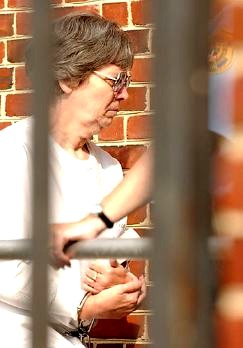
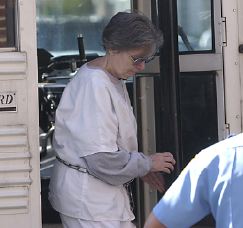
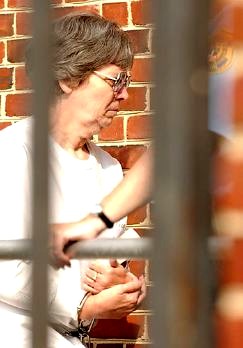
The trio was arrested on November 30, 2001. Prosecutors successfully argued that Linda Charbonneau served as the intellectual architect and dominant force behind both homicides, utilizing her daughter and son-in-law as active agents. Despite defense strategies attempting to portray Linda as submissive to her co-defendants, the jury returned recommendations for the death penalty.
On June 4, 2004, Sussex County Superior Court Judge Richard F. Stokes formally sentenced Charbonneau to death by lethal injection, characterizing her actions as cold-blooded and calculated. Co-defendants Rucinski and Brown received prison sentences and consecutive life terms respectively following plea agreements.
5. Psychiatric Assessment and Aftermath
Criminologically, Linda Charbonneau represents the profile of a proxy perpetrator—an individual who leverages familial loyalty and emotional dominance to execute homicides without soiling their own hands directly. Her case stands as a notable instance in Delaware judicial history regarding female capital offenders and the complex dynamics of co-conspirator testimonies.