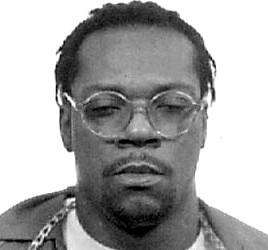

Forensic & Criminological Matrix
| Parameter | Forensic Detail |
|---|---|
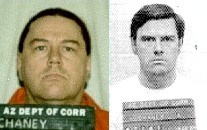
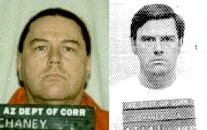
| Forensic Heading / Aliases | Anthony Lee Chaney (Alan Coleman) |
| Legal Identity | Anthony Lee Chaney |
| Confirmed Victims | 1 |
| Attributed / Indicted Victims | 1 |
| Active Timeline | 1982 |
| Jurisdiction / Area of Operations | Flagstaff, Arizona, USA |
| Criminological Classification | Cop killer |
| Forensic Modus Operandi | Ambush, immobilization, and execution by firearm |
| Weapon / Mechanism of Death | Firearm (handgun) |
| Motive / Behavioral Dynamics | Avoidance of arrest / Evasion of justice |
| Judicial Outcome | Death penalty (executed) |
1. Background and Profile
Anthony Lee Chaney was a career criminal whose actions culminated in the cold-blooded murder of a law enforcement officer. His behavioral dynamics were characterized by a high level of aggression when confronted by authority figures.
2. Crime Spree
On Labor Day, 1982, Chaney engaged in a violent confrontation in Flagstaff. He successfully subdued Deputy Robert Cline, handcuffing him to a tree, before ambushing Dr. John Jamison, a reserve sheriff's deputy. Jamison was shot three times while trapped in his cruiser, unable to reach his weapon or escape.
3. Investigation and Arrest
The investigation relied heavily on the testimony of the surviving officer, Robert Cline, who suffered from PTSD due to the incident. The evidence gathered at the scene confirmed the premeditated nature of the attack on the law enforcement officers.
4. Legal Proceedings and Outcome
Chaney was sentenced to death. His time on death row was marked by legal battles regarding his personal property and failed appeals to the U.S. Supreme Court. The Arizona Board of Executive Clemency unanimously denied his request for a reprieve.
5. Psychiatric Evaluation and Conclusion
Defense attorneys argued that Chaney suffered from mental dysfunction, but this was insufficient to prevent his execution. Anthony Lee Chaney was executed in 2000.