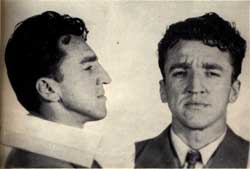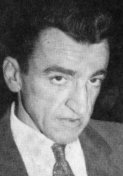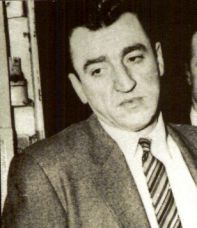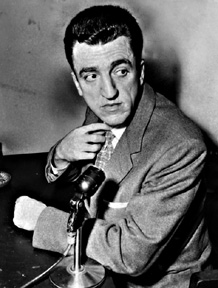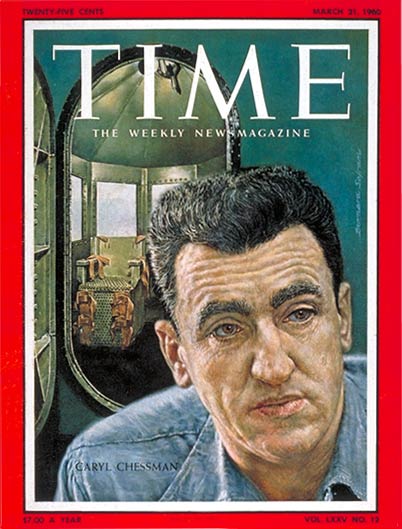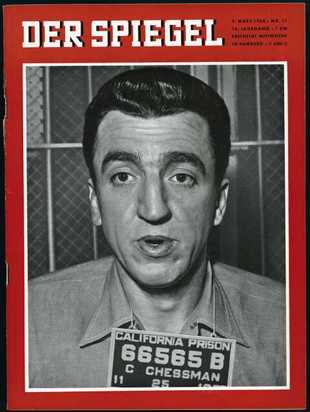




Caryl Chessman: «The Red Light Bandit», Cell 2455, and the Trial That Shook the World
Executive Summary
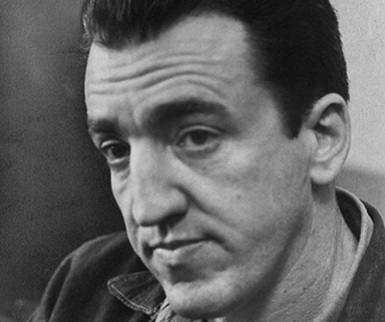
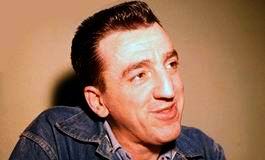
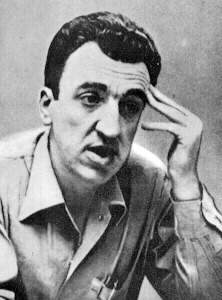
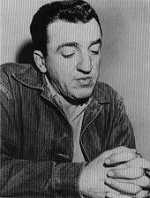
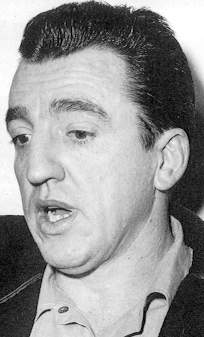
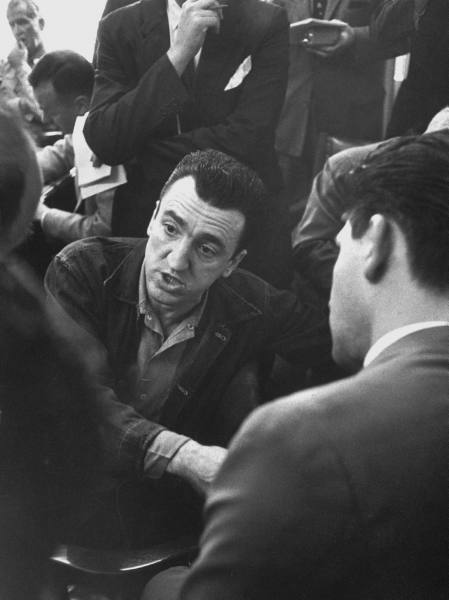
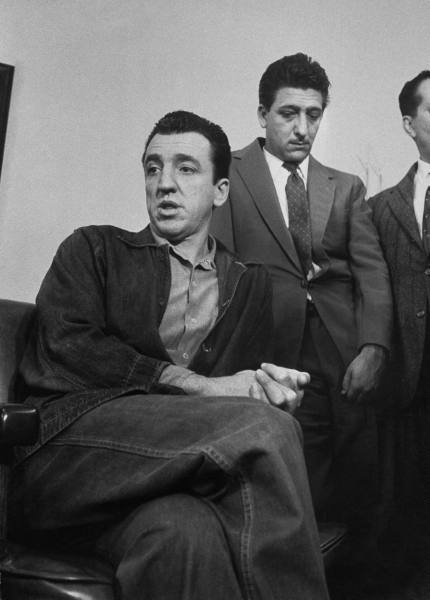
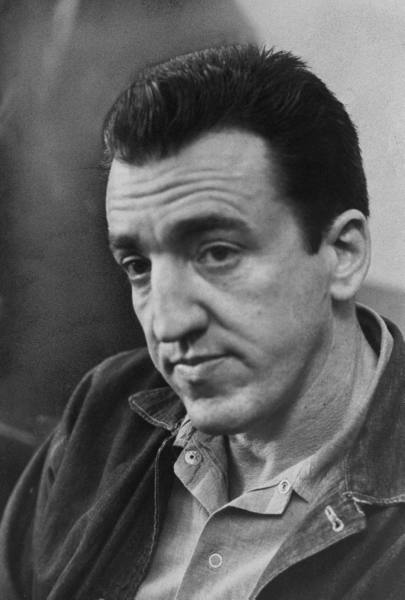
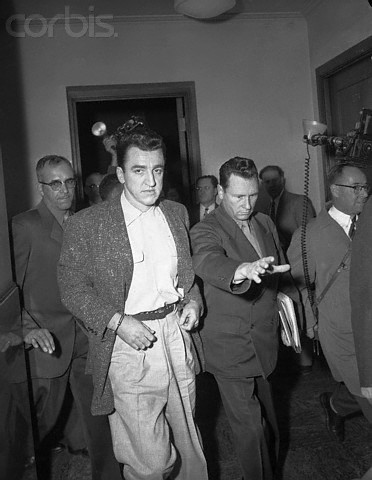
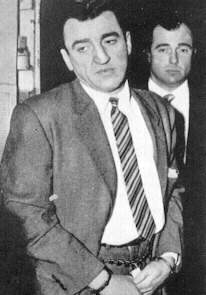
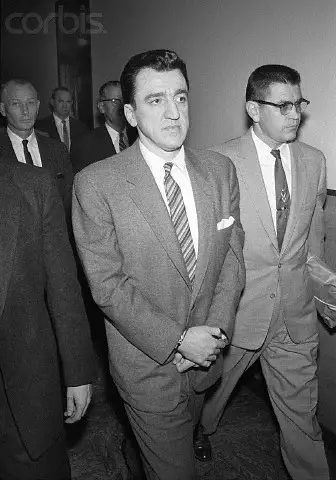
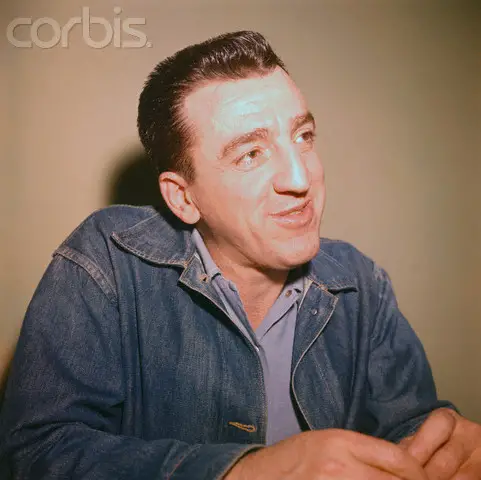
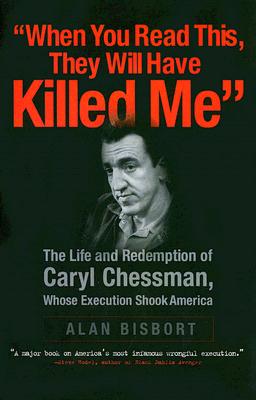
Caryl Chessman (born Caryl Whittier Chessman; May 27, 1921 – May 2, 1960), known internationally as «The Red Light Bandit», was an American prison inmate, author, and legal polemicist whose twelve-year legal battle on San Quentin State Prison's death row transformed twentieth-century ethical, diplomatic, and constitutional debates on capital punishment. Sentenced to death in July 1948 without having taken a human life, his case became a worldwide symbol against disproportionate sentencing and a landmark in American criminal procedure.
His capital sentence was grounded in California's controversial "Little Lindbergh Law" (Section 209 of the California Penal Code), which mandated the death penalty for kidnapping with bodily harm. Chessman was accused of ambushing couples parked in lover's lanes across the Los Angeles hills using a red spotlight mounted on his car dashboard to impersonate police officers, forcing two female victims at gunpoint to move short distances into his vehicle to commit forced oral copulation. Acting as his own legal counsel (pro se) in a trial riddled with procedural defects—notably the sudden death of the official court stenographer before transcribing the trial record—Chessman maintained his innocence regarding the sexual assaults, admitting to armed robbery while adamantly denying being the hills bandit.
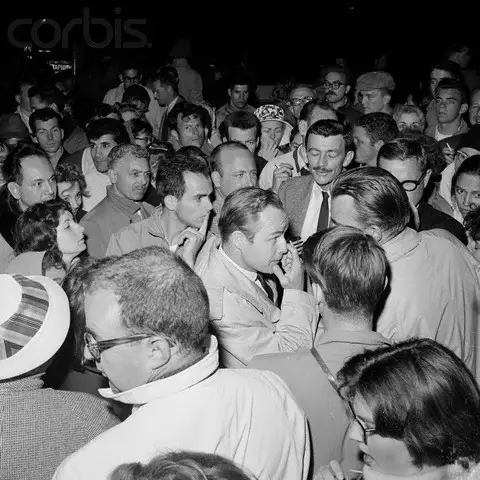
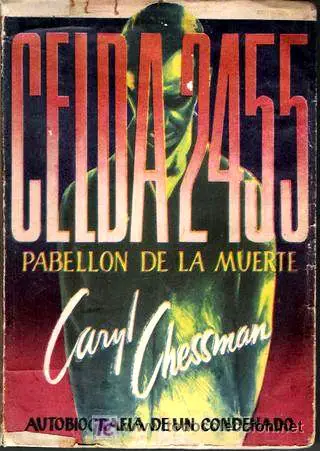
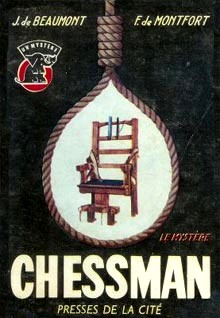
Confined to Cell 2455 at San Quentin, Chessman immersed himself in criminal law and authored four bestselling memoirs and legal critiques—including the international bestseller Cell 2455, Death Row (1954)—which funded legal appeals and secured eight distinct stays of execution. His cause mobilized global figures including Eleanor Roosevelt, Marlon Brando, Aldous Huxley, Albert Schweitzer, Pablo Casals, and the Vatican's L'Osservatore Romano. Despite worldwide protest and a last-minute stay issued by a federal judge whose secretary dialed a wrong telephone extension, Chessman was executed in San Quentin's gas chamber on May 2, 1960, aged 38.
Forensic & Criminological Matrix
| Parameter | Forensic Detail |
|---|---|
| Legal Identity | Caryl Whittier Chessman |
| Public Identity | Caryl Chessman |
| Criminological Aliases | "The Red Light Bandit" |
| Date of Birth | May 27, 1921 (St. Joseph, Michigan, U.S.) |
| Date of Execution | May 2, 1960 (San Quentin State Prison, California; aged 38) |
| Criminological Classification | Capital Kidnapping with Bodily Harm (No Homicide Committed) |
| Confirmed Fatalities | 0 (Zero homicides; authorship contested in 2 sexual assaults and multiple robberies) |
| Charged Modus Operandi | Ambush of parked couples using police-style red beacon; armed coercion and robbery |
| Statutory Basis Applied | Section 209 California Penal Code ("Little Lindbergh Law" of 1933) |
| Published Literary Works | Cell 2455 Death Row (1954), Trial by Ordeal (1955), The Face of Justice (1957), The Kid Was a Killer (1960) |
| Crime Scene Locations | Los Angeles County (Mulholland Drive, Hollywood Hills, Flintridge, California) |
| Trial Court | Los Angeles County Superior Court (Judge Charles W. Fricke) |
| Judicial Sentence | 2 death sentences for aggravated kidnapping + 15 terms for robbery and assault |
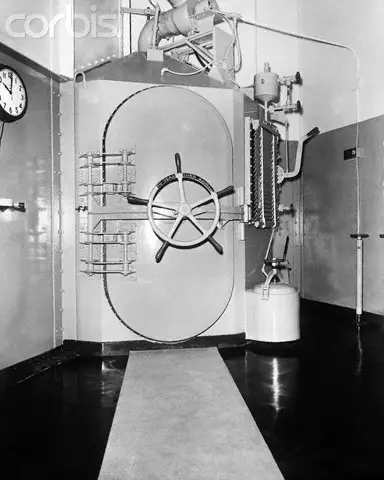
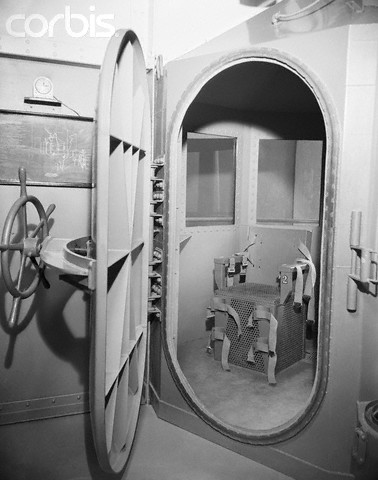
| Execution Method | Lethal gas chamber (hydrocyanic acid / potassium cyanide in sulfuric acid) |
Early Life, Hardship, and Early Offenses (1921–1947)
Caryl Whittier Chessman was born in St. Joseph, Michigan, the only child of Hallie and Caryl Chessman. In 1922, the family relocated to Glendale in Los Angeles County, California. His youth was marked by chronic illness and financial despair: he suffered from severe asthma and encephalitis that caused temporary facial paralysis. During the Great Depression, a devastating automobile accident left his mother permanently paralyzed, while his father, crushed by medical debts, twice attempted suicide.
At fifteen, Chessman began committing petty thefts and car burglaries to provide food and medication for his bedridden mother. Repeatedly committed to juvenile facilities like the Preston School of Industry, he demonstrated an IQ exceeding 136, combining analytical intelligence with an abrasive, defiant hostility toward authority.
Between 1941 and 1947, he served sentences for armed robbery at San Quentin and Folsom State Prison. In 1943, he staged an escape in a stolen prison vehicle, was recaptured, and served time until his parole in December 1947. Within one month of release, he became embroiled in the case that sealed his fate.
The «Red Light Bandit» Wave (January 1948)
In January 1948, the Los Angeles metropolitan area was gripped by armed robberies targeting couples parked in secluded lover's lanes along Mulholland Drive and the Hollywood Hills:
- The assailant drove a coupe equipped with a flashing red spotlight on the dashboard or roof. Pulling behind parked vehicles, he deceived occupants into believing they were being stopped by LAPD or California Highway Patrol officers.
- Approaching on foot, the gunman drew a .45 caliber automatic pistol, robbed the occupants of cash and jewelry, and on two occasions forced female victims into his vehicle:
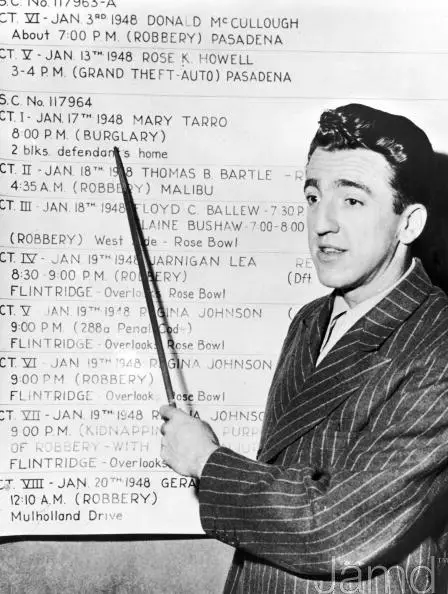
- Mary Alice Meza (17): On January 19, 1948, in Flintridge Hills, the gunman forced Meza into his car, drove twenty-two feet into an adjacent lane, and forced her at gunpoint to perform oral copulation.
- Regina Johnson: On January 22, along Mulholland Drive, the assailant forced Johnson into his vehicle and compelled her to perform an oral sexual act before fleeing.
Arrest of Chessman and David Knowles
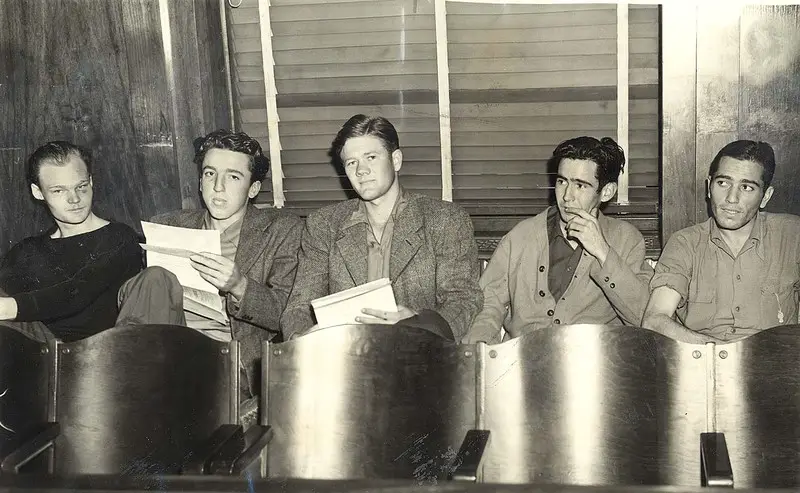
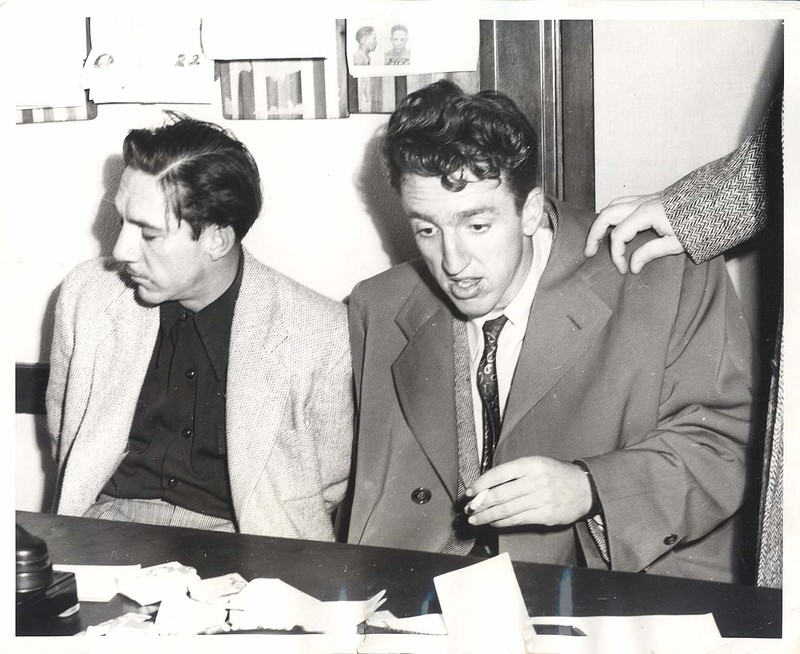
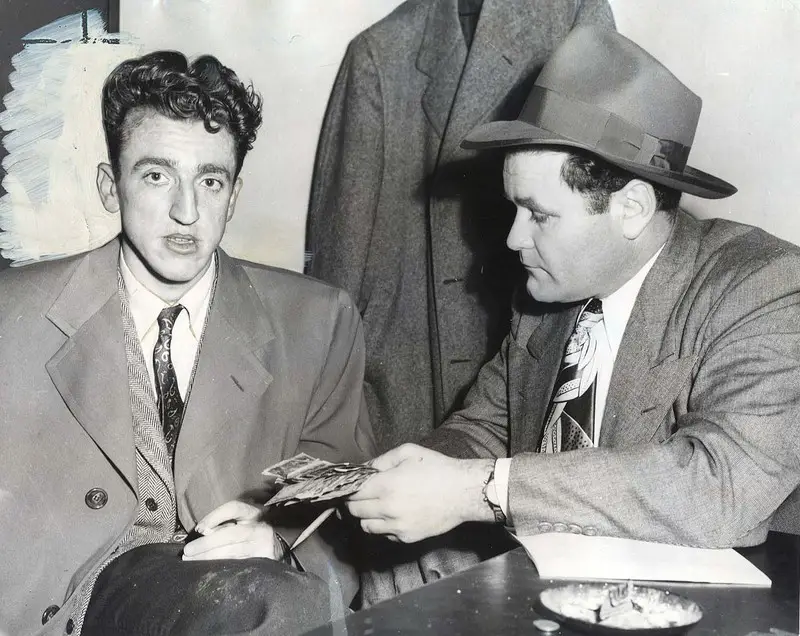
On January 23, 1948, police spotted a 1946 gray Ford coupe matching a vehicle reported in local store robberies. Following a high-speed chase through North Hollywood, officers intercepted the car and arrested Caryl Chessman and passenger David Knowles. Inside, police found stolen clothing, firearms, and a spotlight with a red lens filter.
Under 72 hours of interrogation, Chessman confessed to commercial robberies but denied being the Red Light Bandit. However, under alleged beatings and sleep deprivation, detectives obtained a signed confession that Chessman immediately repudiated before the magistrate.
The Trial Before Judge Fricke and the «Little Lindbergh Law»
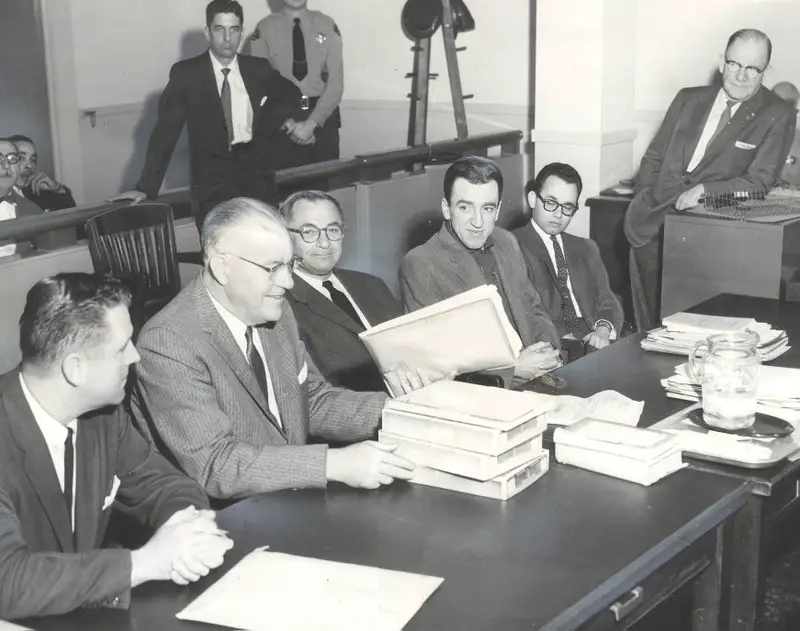
The trial commenced in May 1948 in Los Angeles Superior Court before Judge Charles W. Fricke, widely nicknamed "San Quentin Charlie" by criminal attorneys due to his frequency in handing down death sentences.
The Pro Se Defense Strategy
Distrusting public defenders, Chessman insisted on representing himself:
- While demonstrating remarkable articulateness, his unfamiliarity with rules of evidence and aggressive demeanor alienated the jury.
- Victim identifications were contentious: initial descriptions of the Red Light Bandit described a shorter man with a distinct lisp, whereas Chessman was tall, muscular, and spoke clearly without speech impediments.
- However, prosecutors introduced the signed confession and the spotlight found in his car.
The Legal Construction of Section 209
Under California's 1933 amendment to the Lindbergh kidnapping statute, kidnapping carried the death penalty if the victim suffered "bodily harm." The prosecution successfully argued that forcing the women to walk twenty-two feet from one car to another constituted statutory kidnapping, and that forced oral copulation constituted bodily harm.
On May 21, 1948, the jury convicted Chessman on seventeen counts. Judge Fricke sentenced Chessman to two death sentences under Section 209, ordering him to San Quentin's death row.
Cell 2455 and the Twelve-Year Legal Battle (1948–1960)
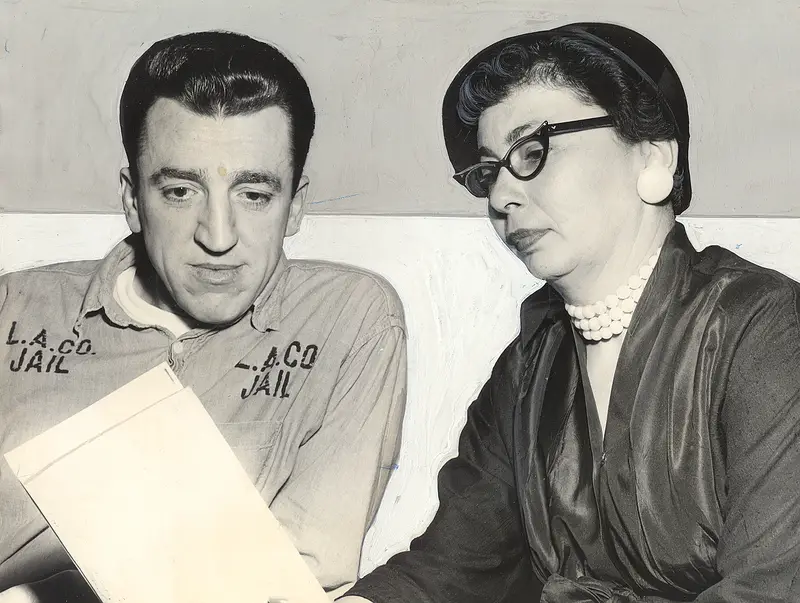
Confined to Cell 2455 on San Quentin's death row, Chessman spent over ten thousand hours researching federal habeas corpus jurisprudence:
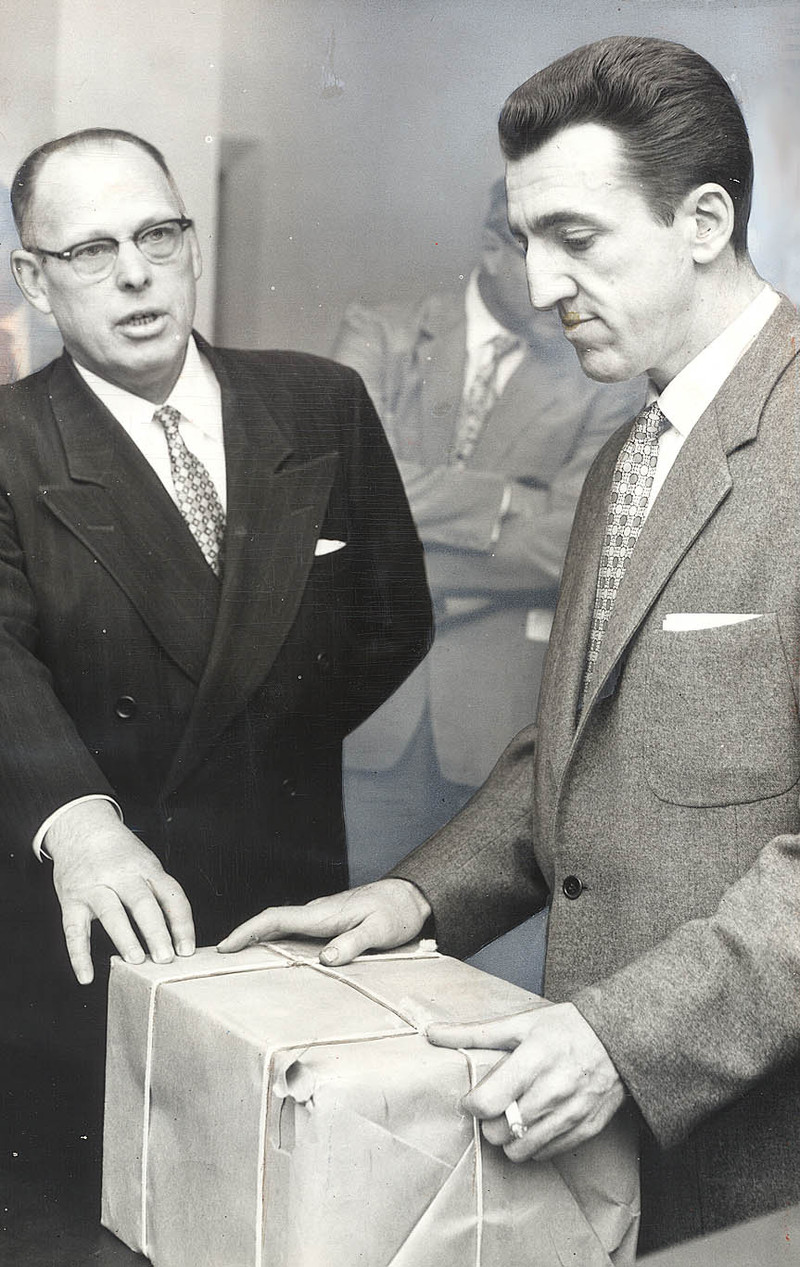
- The Fraudulent Trial Record: Chessman uncovered a major due process violation: the official court reporter, Elmer L. Perry, had died of a heart attack with two-thirds of his shorthand notes untranscribed. The prosecutor hired an alcoholic relative of Perry who produced an incomplete, error-ridden transcription. Chessman fought the issue to the U.S. Supreme Court, which in 1957 ordered a review of the trial records.
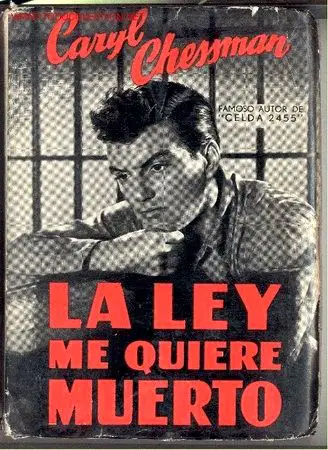
- Literary Authorship: Despite corrections officials confiscating his manuscripts, Chessman smuggled out four books: Cell 2455, Death Row (1954, adapted into a feature film by Columbia Pictures), Trial by Ordeal (1955), The Face of Justice (1957), and the novel The Kid Was a Killer (1960). Royalties financed top appellate attorneys George T. Davis and Rosalie Asher.
International Mobilization
By the late 1950s, the case became a global cause célèbre:
- Eleanor Roosevelt, Marlon Brando, Aldous Huxley, Albert Schweitzer, Pablo Casals, Ray Bradbury, Norman Mailer, and Brigitte Bardot appealed to the White House and Governor Edmund "Pat" Brown for clemency.
- The Vatican newspaper L'Osservatore Romano published an editorial urging mercy.
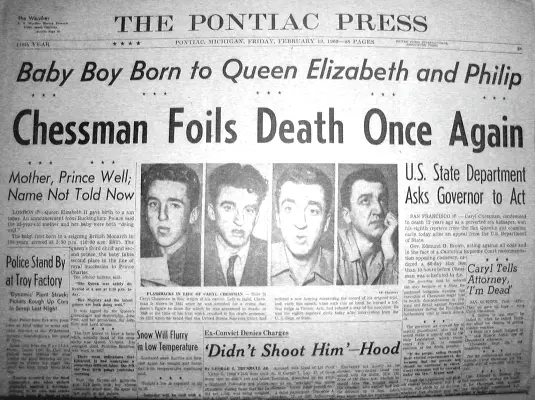
- In February 1960, Governor Brown granted a 60-day reprieve after the U.S. State Department warned that the scheduled execution would trigger massive anti-American protests during President Dwight Eisenhower's state visit to South America.
May 2, 1960: The Final Telephone Error
On the morning of May 2, 1960, all formal avenues were exhausted.
In a last-ditch effort, his attorneys appeared before federal District Judge Louis E. Goodman in San Francisco:
- At 10:00, after reviewing new arguments, Judge Goodman agreed to issue a 30-minute stay of execution to hear defense motions.
- The judge directed his secretary to immediately telephone San Quentin State Prison.
- In a tragic twist of fate, the secretary misdialed the prison switchboard number. By the time she reached Warden Fred Dickson at 10:03, the execution was underway.
- At 10:02, the executioner had pulled the mechanical lever, dropping cyanide pellets into sulfuric acid beneath the execution chair. Warden Dickson picked up the phone and replied: "It is too late; the gas is already up."
Chessman inhaled the cyanide gas and was pronounced dead at 10:11. Minutes prior, he handed his attorneys a final statement:
"I was guilty of many crimes in my life, but not of those for which you are taking my life. Now that the State has taken its vengeance, I should like to ask what the world has gained from it."
Criminological Legacy
Chessman's execution prompted significant legal reforms:
- Reform of Section 209: Shortly after his death, the California Legislature amended the statute, establishing that incidental movement during robbery or assault does not constitute capital kidnapping.
- Capital Punishment Moratorium: Public revulsion over the execution catalyzed a temporary moratorium on California executions and helped pave the way for the landmark Furman v. Georgia (1972) Supreme Court ruling.
- The Cell 2455 manuscripts remain essential studies in law school courses on sentencing proportionality and death row litigation.