




Forensic & Criminological Matrix
| Parameter | Forensic Detail |
|---|---|
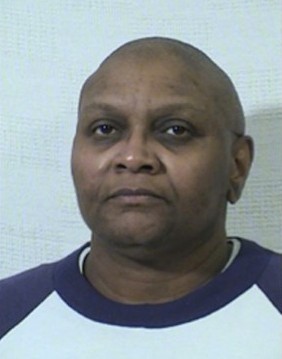
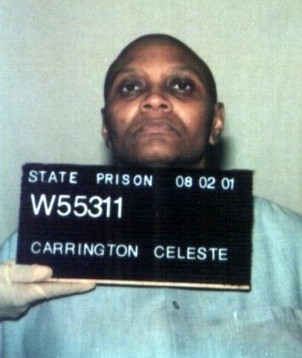
| Forensic Heading / Aliases | Celeste Simone Carrington |
| Legal Identity | Celeste Simone Carrington |
| Confirmed Victims | 2 (Victor Esparza and Carolyn Gleason) + 1 survivor (Allan Marks) |
| Active Timeline | January - March 1992 |
| Jurisdiction / Area of Operations | San Mateo County, California, USA |
| Criminological Classification | Robber-killer / Serial offender |
| Forensic Modus Operandi | Exploitation of prior employment knowledge and retained keys as a janitor to burglarize commercial buildings; execution-style shootings of cooperative or helpless victims at close range using a firearm. |
| Weapon / Mechanism of Death | .357 Magnum revolver (close-range ballistic trauma) |
| Motive / Behavioral Dynamics | Financial gain to support her romantic partner; background of severe childhood trauma and psychological subordination. |
| Judicial Outcome | Sentenced to death on November 23, 1994 (sentence repeatedly upheld upon state supreme court review). |
1. Background and Psychopathy
Celeste Simone Carrington was born in 1961 and raised in extreme poverty in Philadelphia. Her early life was defined by severe physical and psychological abuse inflicted by both parents, including incestuous abuse by her father at the age of 14. Despite these profound developmental traumas, she exhibited exceptional athletic aptitude, attending a community college in Southern California and competing internationally in track and field as a shot putter.
Prior to her murder spree, Carrington had no criminal record. She worked various jobs as a commercial janitor, a position from which she was fired in December 1991 after being caught stealing checks. Trial witnesses testified that she was under intense financial pressure to provide economic support for her romantic partner and her partner's three children.
2. Crime Spree
Carrington's modus operandi relied on exploiting her familiarity with commercial office buildings where she had previously worked. Retaining keys and knowledge of security layouts, she would infiltrate buildings after hours to commit burglaries. When confronted or to eliminate potential witnesses, she executed victims at close range using a stolen .357 Magnum revolver.
- First Homicide: On January 26, 1992, in San Carlos, she broke into a shoe factory and fatally shot 34-year-old janitor Victor Esparza, who offered no resistance.
- Second Homicide: On March 11, 1992, in Palo Alto, she murdered 36-year-old Carolyn Gleason, a real estate property manager, who was forced to her knees before being shot.
- Attempted Murder: Five days after killing Gleason, on March 16, 1992, Carrington targeted the office of Redwood City pediatrician Allan Marks, shooting him three times during a robbery. Dr. Marks survived and later served as the prosecution's star witness.
3. Crime Scene Investigation and Forensic Pursuit
The investigation gained critical momentum following the attempted murder of Dr. Allan Marks. Ballistic evidence, witness testimonies, and physical clues enabled law enforcement to connect the crimes through a common employment nexus. On March 20, 1992, police officers executed a search warrant at Carrington's apartment.
During the search, officers in plain view discovered a key and a pager linked to the murder of Carolyn Gleason. This discovery prompted law enforcement to halt the search, secure a secondary, specific homicide warrant, and recover crucial physical evidence connecting Carrington directly to the execution-style killings.
4. Arrest and Judicial Proceedings
Celeste Carrington was arrested on March 20, 1992, and subsequently confessed during police interrogations. Defense attorneys later challenged the admissibility of her confessions, arguing they were induced by police coercion and false promises of leniency, alongside claims of an illegal apartment search.
On November 23, 1994, a California court sentenced Carrington to death for the murders of Victor Esparza and Carolyn Gleason. During the trial, forensic psychologists detailed her history of severe childhood abuse and her psychological compulsion to financially sustain her domestic partner.
5. Psychiatric Evaluation and Legal Aftermath
Carrington's case attracted significant judicial attention due to the rarity of death sentences handed down to female offenders in the United States, placing her among a very small minority of women on California's death row.
Over the decades, appellate counsel raised numerous challenges regarding trial counsel competency and procedural due process. On July 28, 2009, the Supreme Court of California unanimously upheld her death sentence, rejecting claims of police misconduct during the interrogations and search protocols, thereby cementing the finality of her conviction.