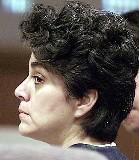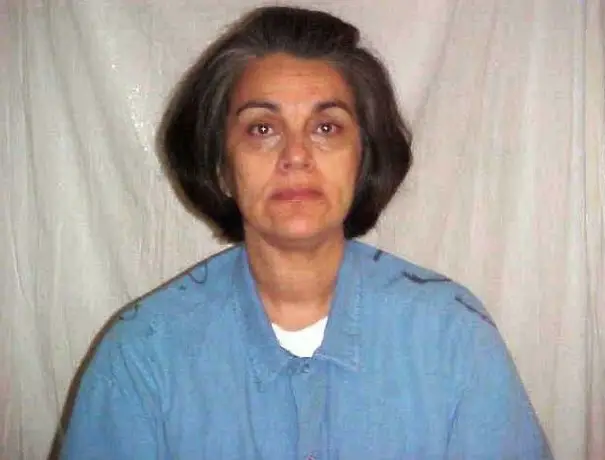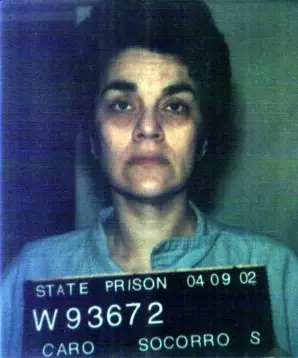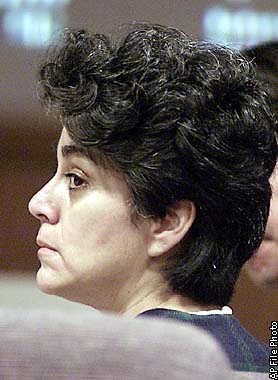




Forensic & Criminological Matrix
| Parameter | Forensic Detail |
|---|---|
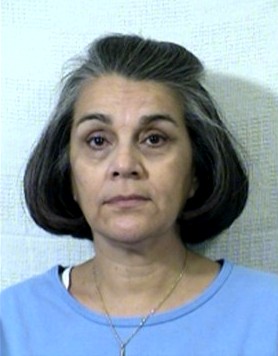
| Forensic Heading / Aliases | Socorro "Cora" Caro |
| Legal Identity | Socorro Caro |
| Confirmed Victims | 3 (Xavier Jr., 11; Michael, 8; Christopher, 5) |
| Active Timeline | November 22, 1999 |
| Jurisdiction / Area of Operations | Santa Rosa Valley, California, USA |
| Criminological Classification | Filicidal offender / Extreme domestic violence |
| Forensic Modus Operandi | Point-blank shootings using a .38 caliber handgun while victims were asleep, followed by a suicide attempt |
| Weapon / Mechanism of Death | .38 caliber handgun |
| Motive / Behavioral Dynamics | Marital conflict, financial disputes, and targeted retaliation against the spouse |
| Judicial Outcome | Sentenced to death on April 5, 2002 (subject to ongoing appeals within the California correctional system) |
1. Background and Psychopathy
Socorro "Cora" Caro was born on March 27, 1957. She was married to Dr. Xavier Caro, a prominent rheumatologist based in Northridge, California, and worked as the office manager for his medical practice. The family resided in an affluent estate in Santa Rosa Valley, Ventura County. Behind the facade of professional success and socioeconomic privilege, the marital relationship was severely dysfunctional, characterized by documented instances of domestic friction, financial disagreements regarding clinic administration, and impending threats of separation.
2. Crime Spree
On the night of November 22, 1999, following a severe altercation with her husband, Socorro Caro executed a calculated act of mass filicide. Armed with a .38 caliber handgun, she methodically moved through the bedrooms of the family mansion and shot three of her four young sons in the head while they slept: Xavier Jr. (11), Michael (8), and Christopher (5). A fourth child, 13-month-old infant Gabriel, remained unharmed. Immediately following the murders, Caro turned the firearm on herself in an attempted suicide, sustaining a gunshot wound to the head from which she miraculously recovered.
3. Investigation and Forensic Pursuit
Law enforcement and emergency responders arrived at the scene promptly, initiating a comprehensive forensic investigation. Ballistics, gunshot residue analysis, and bloodstain pattern interpretation pointed conclusively to Socorro Caro as the sole perpetrator. The defense initially pursued an alternative theory alleging that Dr. Xavier Caro had committed the murders and framed his wife. Furthermore, investigators uncovered a history of domestic turbulence, highlighting previous occasions where Caro had physically assaulted her husband.
4. Arrest and Judicial Proceedings
Socorro Caro was taken into custody on the day of the murders upon stabilization of her self-inflicted head injury. During her four-month trial, her defense team entered pleas of not guilty and later not guilty by reason of insanity, arguing that brain trauma from her suicide attempt impeded memory recall of the incident. In November 2001, a Ventura County jury found her guilty on three counts of first-degree murder. On April 5, 2002, Superior Court Judge Donald Coleman formally sentenced her to death, condemning the killings as willful, premeditated, and executed with malice aforethought.
5. Psychiatric Evaluation and Aftermath
The legal proceedings featured extensive expert testimony regarding Caro's psychological state and use of prescription medications, including antidepressants and anti-anxiety agents. Despite defense claims regarding mental instability and emotional distress, the court established that her actions reflected calculated retaliation rooted in a failing marriage. Following her capital sentencing, she was transferred to the women's unit or designated death row facility within California's correctional system, where her case entered the mandatory appellate review process.