




Forensic & Criminological Matrix
| Parameter | Forensic Detail |
|---|---|
| Forensic Heading / Aliases | Kimberly Cargill / Kim Cargill |
| Legal Identity | Kimberly Diane Cargill |
| Confirmed Victims | 1 (Cherry Walker, 39) |
| Active Timeline | June 18, 2010 |
| Jurisdiction / Area of Operations | Smith County, Texas, United States |
| Criminological Classification | Homicidal offender motivated by witness tampering and evidence destruction |
| Forensic Modus Operandi | Deceptive containment, homicide (exact mechanism inconclusive due to thermal destruction but showing blunt trauma indicators), application of accelerant, and corpse incineration on a rural road |
| Weapon / Mechanism of Death | Lighter fluid and fire |
| Motive / Behavioral Dynamics | Preventing the victim from testifying in a child custody and protective services hearing; personality disorder traits |
| Judicial Outcome | Sentenced to death by lethal injection on June 7, 2012 |
1. Background and Psychopathy
Kimberly Diane Cargill was born on November 30, 1966, in Mississippi, USA. Prior to her arrest, she resided in Whitehouse, Texas, and worked as an office clerk. With no prior criminal record of a violent nature, Cargill became embroiled in a high-stakes child protective services and custody dispute regarding her children. Associates characterized her as controlling and manipulative—traits that escalated sharply as legal pressures threatened her parental rights.
2. Crime Spree
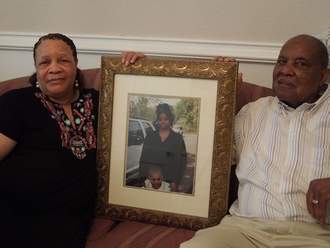
Targeted in this case was Cherry Walker, a 39-year-old woman with intellectual disabilities who occasionally babysat Cargill's son. Walker had been officially subpoenaed to testify against Cargill in the upcoming child custody proceeding. On June 18, 2010, under the guise of protecting or hiding Walker so she would not have to testify, Cargill drove off with her. According to forensic findings, Cargill killed Walker—falsely claiming the victim suffered a fatal seizure—transported her body to a remote county road in Smith County, doused her in lighter fluid, and set her clothes and body on fire to obliterate forensic evidence.
3. Crime Investigation and Forensic Pursuit
The discovery of the severely burned body on the side of a rural road mobilized the Smith County Sheriff's Office and the Whitehouse Police Department. Forensic pathologists noted signs of violence prior to or during the thermal destruction. Investigators quickly linked Cargill to the crime through phone records, witness testimonies, and the crucial subpoena connecting the victim to Cargill's custody battle. Statements from confidants whom Cargill had approached regarding her predicament dismantled her claims of a medical emergency.
4. Arrest and Judicial Proceedings
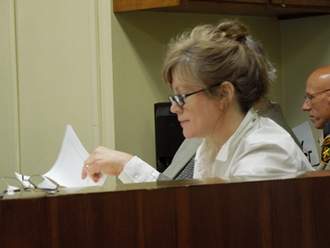
Kimberly Cargill was arrested and charged with capital murder, specifically incorporating elements of retaliation and witness tampering. During the trial in May 2012 before Judge Jack Skeen Jr. in Smith County, prosecutors Matt Bingham and April Sikes presented exhaustive evidence detailing Cargill's callous behavior, including discarding the victim's personal belongings like trash. On May 18, 2012, the jury returned a guilty verdict. Following the sentencing phase, on June 7, 2012, Cargill was formally sentenced to death by lethal injection.
5. Psychiatric Assessment and Aftermath
The defense argued that Cargill suffered from a mental disorder that drove her actions, pleading for a sentence of life without parole and emphasizing her compliant behavior in jail. The prosecution successfully countered that, regardless of any underlying personality pathology, Cargill made a cold, calculated choice to commit murder. Cargill currently resides on death row within the Texas Department of Criminal Justice (TDCJ) system, awaiting execution.